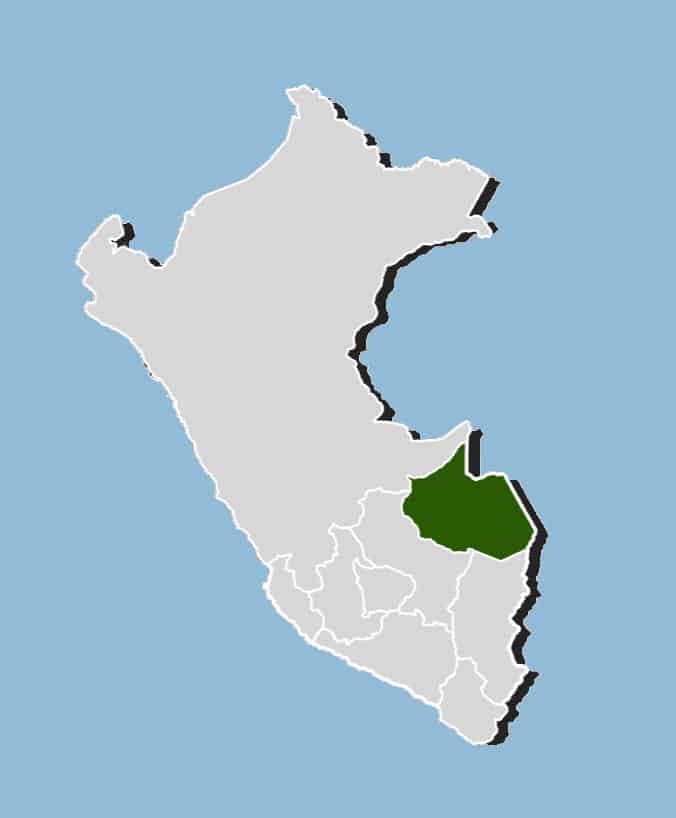
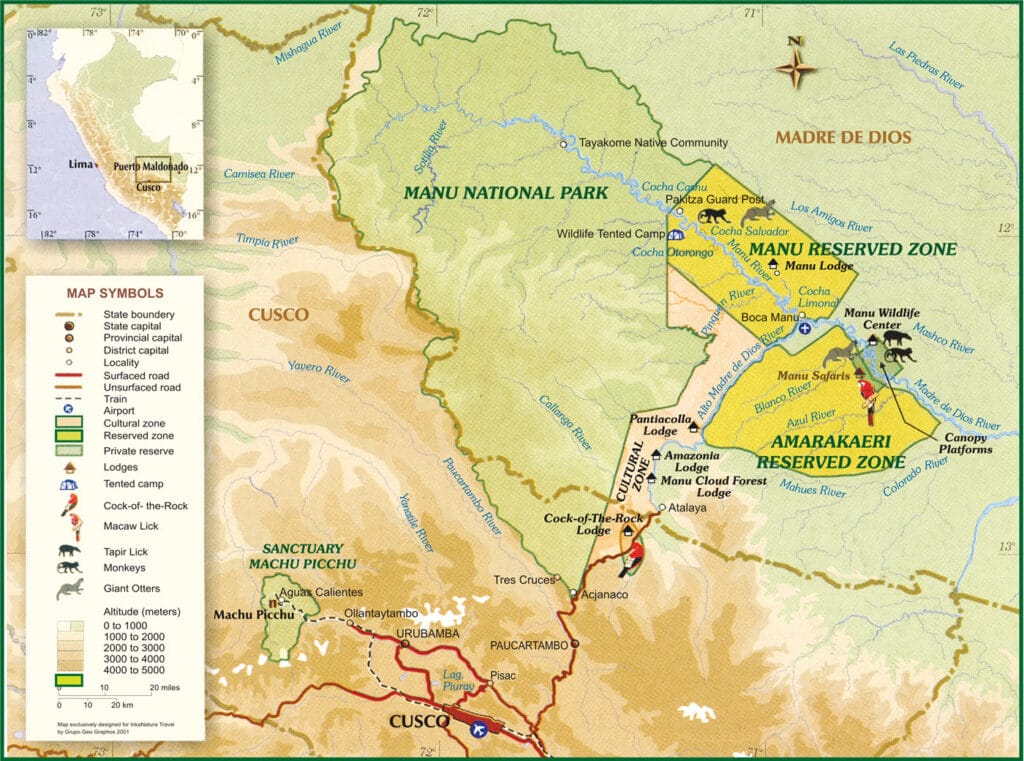
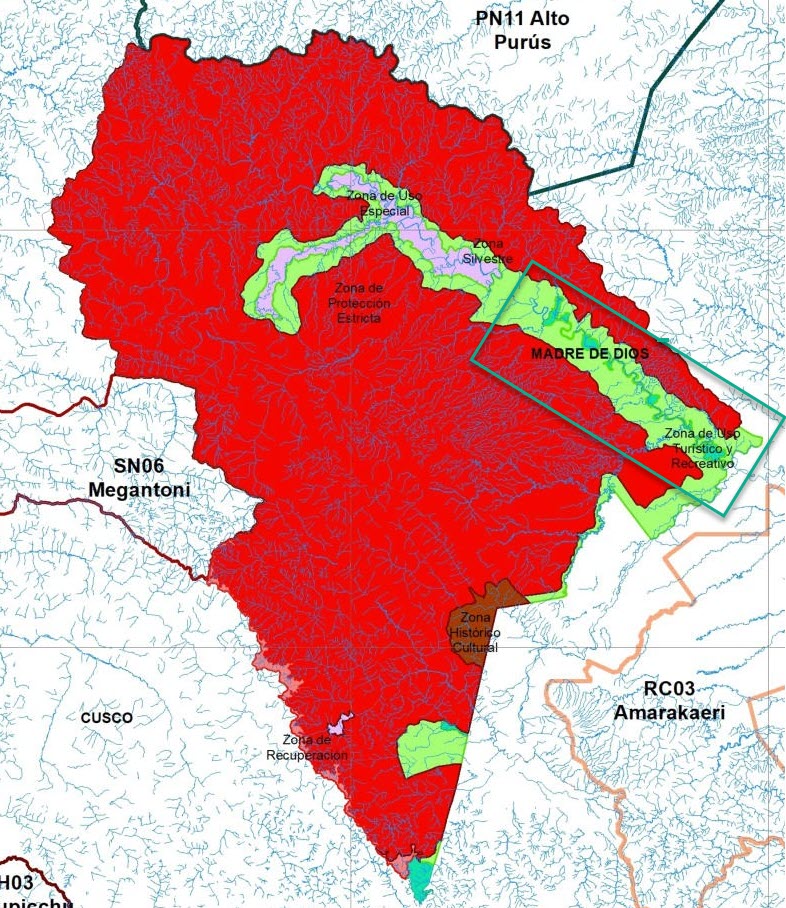
Manu is huge, remote, and zoned—maps help you understand sequence, not just distance. Use this page to visualize routes, gateways, and access zones before you choose an itinerary.
Manu National Park is one of the most impressive and biodiverse regions on Earth. The park is home to over 15,000 plant species and more than 1,000 animal species across its big terrain.
The park’s elevation ranges from about 490 feet (150 meters) to about 13,780 feet (4,200 meters), making this Peruvian treasure a destination like no other.
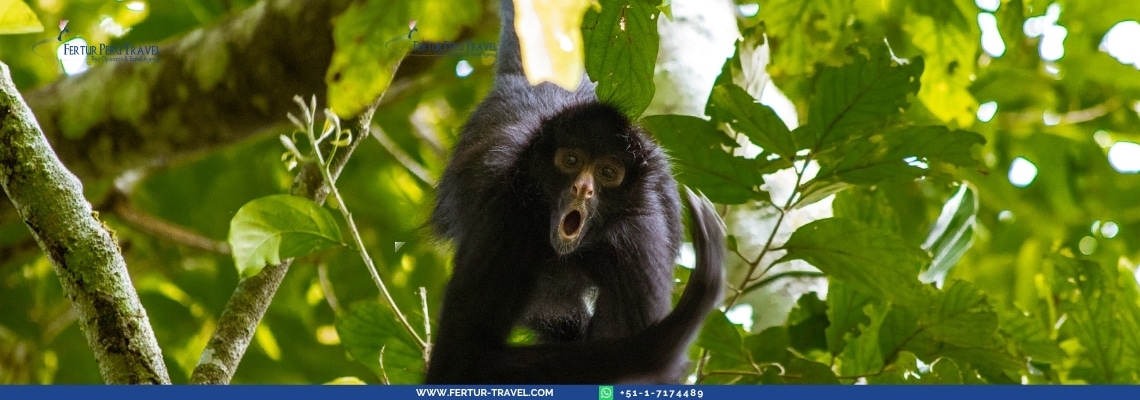
You can find 200 species of mammals, 850 bird species, and over 1,300 species of butterflies all in one protected area.
The park contains between 2,000 to 5,000 plant species features 250 species of trees. The park became a UNESCO World Heritage Site and Biosphere Reserve in 1987, and has grown into a premier ecotourism spot for travelers who want authentic Amazon Rainforest experiences. Use these Manu maps to help plan an amazing trip through this ecological paradise. You’ll experience multiple ecosystems and meet some of the planet’s most extraordinary wildlife.
To book your Manu tours now or consult with us, fill out the “Contact Us” form and a Fertur Peru Travel coordinator will contact you within one working day with detailed information about your fully customizable trip.
Fertur Peru Travel’s pledge is to offer you top-quality, individualized attention that starts with the planning of your trip and continues through your journey to guarantee a great vacation.
A trip to Manu National Park requires careful planning around four key areas: access routes, seasonal timing, zone restrictions, and tour options.
Most travelers start their adventure from Cusco. The route takes you through Paucartambo and over the stunning Acjanaco Pass (about 11,680 feet (3,560 meters)), then down through the Kosñipata Valley to Atalaya. You’ll need about 8-10 hours by road plus a boat ride along the Alto Madre de Dios River.
Puerto Maldonado offers another starting point. The path stretches about 87 miles (140 km) along the inter-oceanic highway to Santa Rosa (1.5 hours). You’ll cross the Inambari River to Puerto Carlos, head to Boca Colorado, and take a boat on the Madre de Dios River to reach Manu.
Manu has three distinct areas:
Here’s what to think about before booking:
Best time to visit: dry vs. wet season:
The dry season (May-October) brings the best conditions. Clear skies, lower river levels, and better chances to spot wildlife make this time ideal. Days are warm at 86–95°F (30–35°C) while nights cool down to 50–59°F (10–15°C).
The rainy season (November-April) turns the park into a green paradise. However, muddy trails and swollen rivers can make exploration challenging.
Here’s what to think about before booking:
Time available: Short tours (3-4 days) cover the Cultural Zone, while longer trips (5-8 days) let you explore the Reserved Zone
Season: May-October provides the best conditions
Experience level: Special tours suit birdwatchers, photographers, and culture enthusiasts
Manu National Park stands as one of Earth’s last untouched wilderness areas. This remarkable Peruvian treasure is home to 14 unique ecosystems teeming with life. You won’t find many places that let you see such amazing wildlife in one area – from shy jaguars to bright macaws gathering at clay licks.
Price available upon request
Prices available upon request
Popular dates tend to sell out first. Check availability and get personalized assistance to secure your reservation.
Contact telephone numbers
Offices