Peru’s culinary richness will be on full display at the upcoming Perú Mucho Gusto 2024…
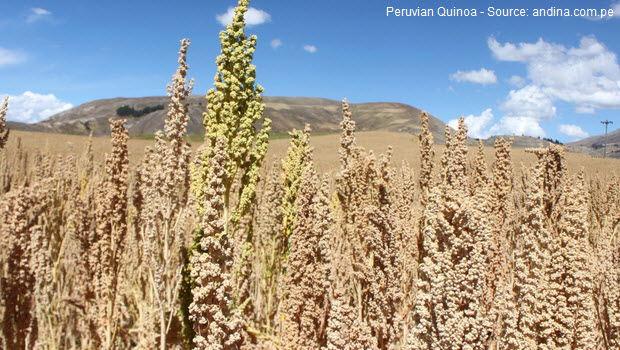
Quinoa is the best-known of the “Inca grains”
Quinoa is the best-known of the “Inca grains” that have grown in popularity thanks to its high level of protein (between 12% and 18%) and other nutrients like magnesium, iron and phosphorous. It’s not strictly a grain, but a relative of spinach and Swiss chard, so it’s also gluten-free. Quinoa is popular among vegetarians and vegans for its protein kick, and is a kosher replacement for rice and wheat during Passover.
The high magnesium content is thought to alleviate migraine headaches. Quinoa has a fluffy, creamy consistency when cooked, and a slightly nutty taste. If boiled like rice, the germ separates from the seed, forming recognizable curls.
The Incas considered the crop to be sacred, “the mother of all grains.” It played a central role in Inca religious ceremonies and traditions. The Spanish conquistadors burned the fields and banned the growing of quinoa in the early years of colonization, as a means of diminishing the Incas’ cultural influence.
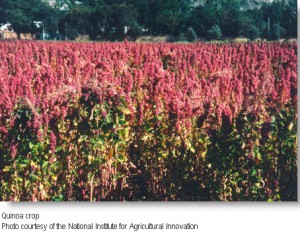
The grain has been a staple part of the Andean diet for more than 6,000 years, and was cultivated before corn. It grows high in the Andes at up to 4,000 meters above sea level. The mature plant turns a spectacular burnt red color when it’s ready for harvest, and it covers the hillsides off the traditional breadbasket regions of Peru including the Central and Southern highlands.
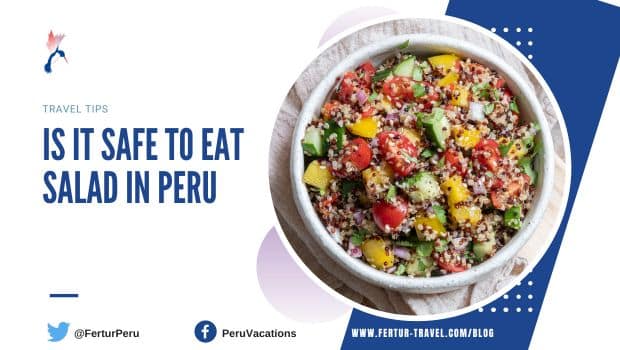
Quinoa has found a niche in the health food market in the USA and Europe, but it’s regular part of the Peruvian diet, especially in the Andes. It’s incredibly versatile, appearing in everything from porridge to desserts, but it’s also a good replacement for couscous in summer salads.

Related Posts
Comments (0)