
Solo Women Travelers in Peru: Safety, Stories and Tips
We listen closely to solo women who travel with us and who share their stories. Their message is remarkably consistent: Peru is not just doable as a solo woman – it’s welcoming, manageable, and deeply rewarding.
Below is a synthesis of what they’ve told us, in their own words where noted, plus practical takeaways for women planning a solo Peru itinerary.
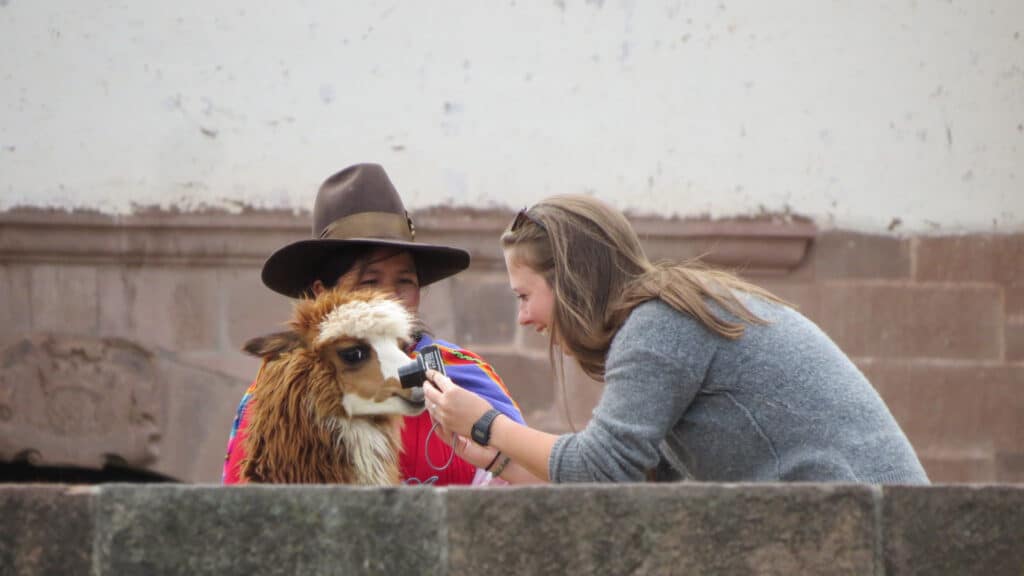
1. Why Women Are Choosing Peru for Solo Travel
Many solo women describe Peru as a long-held dream: Machu Picchu, the Andes, the Amazon, the Pacific coast. Some were inspired by family or friends who had visited; others by online trip reports and social media.
A recurring theme is control over the pace. Several women chose to travel alone specifically to avoid rushed group itineraries and to see Peru on their own terms – lingering longer in Cusco, tacking on extra days in Arequipa, or choosing less-visited jungle lodges instead of generic packages.
2. Safety: Perception vs. On-the-Ground Reality
Most solo women say Peru feels safer than official warnings might suggest – as long as they follow basic street smarts:
- Transport: Use official taxis, trusted transfer services, or rideshare apps (Yango, Cabify) instead of hailing cabs on the street, especially at night and in big cities like Lima and Arequipa.
- Accommodation security: Properties that lock entrances at night, check visitors, or offer airport pickups provide an extra layer of comfort.
- Language: Speaking Spanish helps, but most women got by with English, gestures, and translation apps – things just took a bit longer.
- Petty crime: Some reported street harassment or attempted pickpocketing, particularly in crowded markets or bus terminals. Cross-body bags, zipped pockets, splitting cash/cards between hiding places, and keeping phones out of sight in crowds were simple but effective responses.
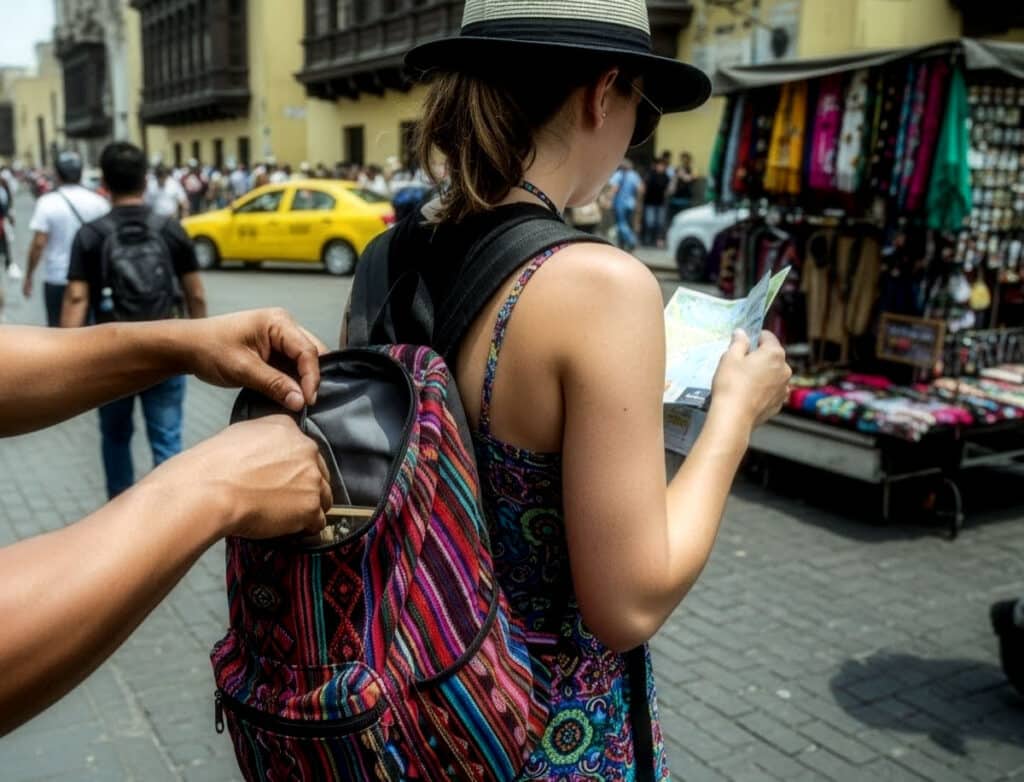
Women also emphasized that safety can be very context-specific: neighborhoods, time of day, and travel style all matter. Checking local news and current advisories before you go — especially for remote regions — remains essential.
3. Community on the Road – Without Losing Independence
Peru’s tourist infrastructure is surprisingly sociable for solo travelers:
- Some of the women estimated that up to half the solo travelers they met were female.
- Boutique hotels, guesthouses, and small group tours (like day trips to Rainbow Mountain, Colca Canyon, or the Ballestas Islands) were favorite ways to find instant company.
- Organized day tours and shared excursions provided built-in safety and companionship, while still allowing plenty of solo exploration before and after.
The overall feeling: you’re rarely truly alone unless you want to be. Fellow travelers — including other solo women — were quick to offer help, join for dinner, or pair up for hikes, but it was always easy to say “I’m doing my own thing today.”
4. Planning, Logistics & Money
Prebooking the big things
Solo women tend to be strategic planners. To reduce stress, they commonly:
- Prebook Machu Picchu entry tickets, trains, and key day tours.
- Choose airlines and bus companies known for safety and punctuality (for example, LATAM flights and long-distance buses such as Cruz del Sur are frequently mentioned).
Cash, cards & ATMs
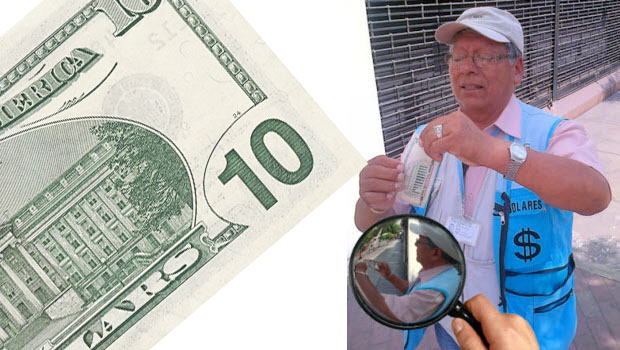
- Carry both cash (USD/Peruvian Soles) and cards.
- Be prepared for ATM withdrawal limits or occasional machine issues.
- Keep a backup card and emergency cash separately stashed.
Travel insurance
Travel insurance came up again and again as non-negotiable, especially for women concerned about:
- Medical emergencies
- Missed connections and major delays
- Evacuation from remote trekking or jungle areas
At Fertur Peru Travel we strongly encourage comprehensive insurance for any Peru trip, but we do not promote specific carriers. That choice is personal and should match your own risk tolerance and coverage needs.
5. Budget, Dining & Everyday Costs
Peru is consistently described as good value for solo travelers:
- Local meals: Excellent plates in markets or simple eateries for roughly US$2–3.
- Budget stays: Hostels and basic hotels in the US$15–40/night range, depending on city and season.
- Special meals:
Cuy (guinea pig) is a classic Andean celebratory dish, but it’s more expensive – often S/60–100 — and most women saved it for a special night out rather than a daily splurge.
6. Health, Altitude & Well-Being
Altitude was the most commonly mentioned physical challenge:
- Many women built in 1–2 acclimatization days on arrival in Cusco or Puno.
- Standard kit: aspirin or ibuprofen, coca tea, plenty of water, and avoiding heavy alcohol for the first days at altitude.
- Pharmacies and clinics in major cities were widely praised as accessible and affordable for minor ailments.
Initial worries about food hygiene generally faded after a few positive experiences. Most travelers reported only mild stomach upsets, if any, when they eased into local food and followed common-sense precautions (freshly cooked, busy establishments, bottled water).
7. Cultural Challenges Solo Women Commonly Reported
Beyond logistics and safety, women described a set of cultural and gender-norm challenges that required some adjustment:
Street attention & “piropos”
- More public attention than at home: stares, greetings, and unsolicited comments from men, especially outside tourist zones.
- Occasional persistent flirting or personal questions about marital status.

- Traditional machismo sometimes translated into assumptions that a solo woman was “looking for company,” especially in bars or nightlife areas.
- Clear, firm boundaries – a direct “no,” mentioning a husband/boyfriend, or ignoring persistent attention – generally worked.
Dress & modesty
- In smaller towns and rural Andean communities, women noticed more attention when wearing shorts, tight dresses, or low-cut tops.
- Many adapted by dressing more modestly: long pants, layers, and scarves to blend in and reduce comments.
Hospitality & invitations
- Peruvians are famously hospitable. Invitations to join family meals or social gatherings were common.
- Some women felt unsure how to decline without offending. Simple, polite excuses (“I’m tired,” “I already have plans”) proved effective.
Language & asserting yourself
- Limited Spanish made it harder to set boundaries or clarify expectations, especially with authority figures or outside major tourist hubs.
- Basic phrases such as “No estoy interesada,” “Voy a encontrar a mis amigos,” or “Estoy bien, gracias” were cited as very helpful.
Nightlife, markets & stereotypes
- Going to bars alone sometimes triggered curiosity or assumptions; many women preferred group activities at night.
- Haggling in markets, especially with groups of male vendors, could feel intimidating at first.
- Some locals were puzzled that a woman would travel alone at all, expecting to see her with family or a male companion.
Bottom line: With preparation and a clear sense of personal boundaries, most women found these cultural differences manageable and ultimately empowering.
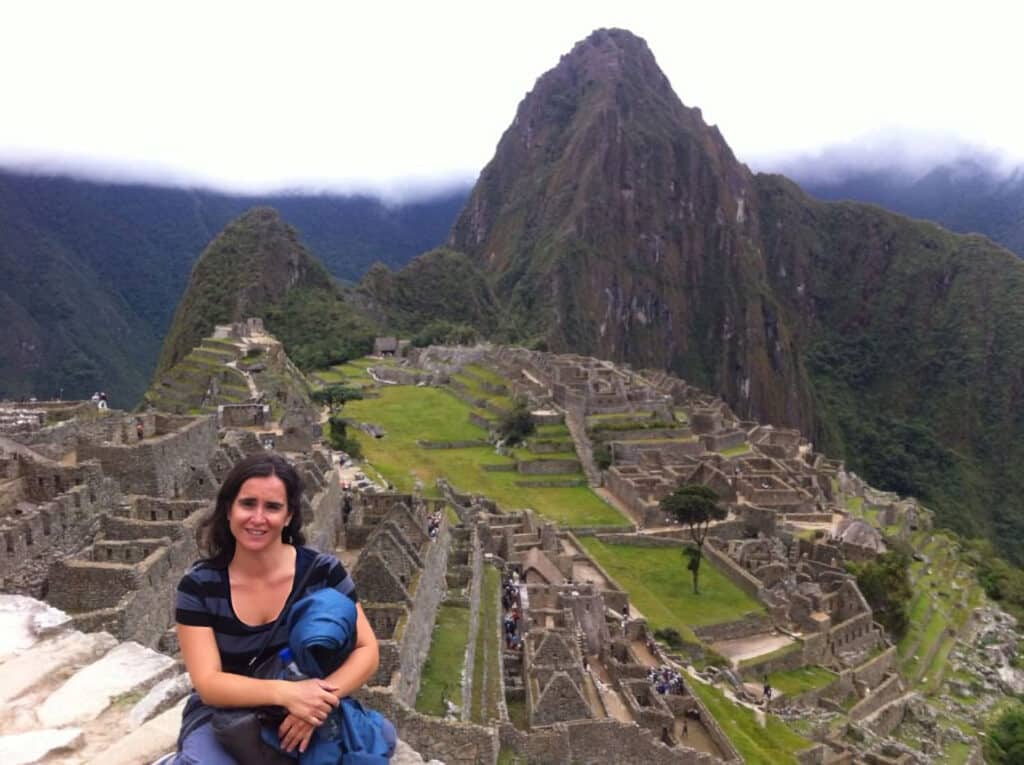
8. In Their Own Words: Everyday Interactions
Health & Food Safety
“One thing I would suggest is not to eat raw vegetables or fruits unless they can be peeled. I used to eat everything but I got super sick one time, so now I’m more careful. As a single woman, you don’t want to be stuck in some hotel room throwing up.”
General Safety Experiences
“I often travel solo. Peru has so far been the safest country to travel, with Fertur’s wonderful organization and the usual common sense for women traveling alone”
Unwanted Attention & Street Interactions
“The attention from men surprised me. In markets and parks people wanted to talk — sometimes it was compliments, sometimes just curiosity about why I was traveling alone.”
“Several times, taxi drivers asked if I was married or why I didn’t have a companion. I learned to answer that my husband was waiting for me at the hotel, which ended the conversation politely.”
Following Safety Basics
“Listen to the instructions of your hosting agency, keep to the tourist areas, do not entrust your life or valuables to fascinating strangers you’ve just met — and otherwise enjoy every minute of what’s likely to be a most wonderful experience.”
Dressing for the Local Context
“In small towns, I felt more comfortable wearing long pants and loose sweaters. Shorts attracted too much attention and comments from men and older women.”
“I was invited to join for meals by local families. It was friendly, but I didn’t always feel safe. I found ways to politely refuse, saying I was tired or had other plans.”
Staying Safe at Night
“Being alone at night in Lima felt intimidating; I stuck to busy streets and used ride apps. The staff at my hotel always offered advice and support.”
Market Dynamics
“In the market, older men tried to bargain for my attention as much as for souvenirs. I laughed, kept distance, and was firm in saying no.”
Using Language as a Tool
“I didn’t know much Spanish, so I used Google Translate. It helped a lot when someone was pushy or insistent, even just to say I was busy and couldn’t talk.”
Cultural Curiosity About Solo Travel
“Some locals thought it was strange for a woman to travel solo — taxi drivers kept asking about my family, and a street vendor commented that my husband must be brave to let me go!”
Setting Boundaries Confidently
“The best advice I got was to ignore most advances and stick to clear, direct answers. Once people realized you were confident, the curiosity faded.”
9. Region-by-Region: What Solo Women Describe
Lima
“Arriving in Lima late at night made me nervous, but Dalia arranged the airport pickup and sent me the driver’s name and WhatsApp number. The city felt busy and safe in Miraflores and Barranco; I walked along the cliffs every morning. At night in the city center, I kept to main avenues. There were a couple of moments when street vendors tried too hard to chat, but mostly I was left alone. I avoided quiet parks after dusk and didn’t wear jewelry.”
Paracas, Ica & Nazca
“In Paracas I signed up for a boat tour to the Ballestas Islands. The crew was mostly men, but they were respectful. In Ica, I rode in a shared taxi to the Huacachina oasis — one driver asked about my boyfriend several times but laughed when I said he was ‘busy climbing a dune somewhere.’ In Nazca, the staff at my hotel walked me to the main street after dark and warned me to keep my phone hidden. The lines at the airport for the Nazca flights were mostly couples or groups — I was the only solo woman, but everyone was friendly.”
Arequipa & Colca Canyon
“Arequipa was beautiful and felt safer than Lima. I joined a cooking class with other travelers and the hosts were welcoming. Walking around the Plaza de Armas, sometimes older local men called after me, but it was easy to ignore. During the Colca Canyon trek, I teamed up with another solo woman for safety. A few guides assumed we were together and kept an eye out for us. It helped to mention a supposed boyfriend or to ask for group photos instead of singles.”
Puno & Lake Titicaca
“Puno was colder than expected. I bought a hat at the market. Our local guide gave tips on visiting the floating islands. On the boat, most passengers were families. The guide asked everyone if they wanted photos with the Uros women; some men in the group made too many comments, but the locals were protective; one woman even walked me back to the boat when I felt uncomfortable. At night I didn’t go out alone, but met other travelers at the hostel café for tea.”
Cusco & the Sacred Valley
“Kept a low profile on the streets of Cusco and never entered a place where the patrons were male-only.”
“Cusco was the easiest city for meeting other solo travelers. I joined a walking tour and the guide gave safety reminders about crowds and the San Pedro market, especially watching out for pickpockets. Taxi drivers here asked questions about my family. I usually changed the subject or invented a brother waiting for me at a hotel. One day, while I walked alone on a side street, a local man tried to chat me up, but shopkeepers intervened and told him to leave me alone.”
Amazon Jungle Lodges (Puerto Maldonado)
“I stayed alone in a jungle lodge near Puerto Maldonado. Staff were mostly women and very attentive to solo travelers. At night the jungle noises were loud, but the guides made rounds to check on all the cabins. Trekking with a small group felt safer. Mosquitoes were more of a concern than people. I did get asked if I was scared to be alone, even by a couple of female guides; I said I felt safer in the jungle with staff than in big cities. After dinner, travelers gathered by a fire — everyone shared stories, and staff made sure solo women had someone to walk with to their cabins.”
10. Amazon Lodges That Stand Out for Solo Women
In recent years, solo women repeatedly mention lodges near Puerto Maldonado that combine strong safety practices, organized group activities, and supportive staff. Rainforest Expeditions was a standout:
- Refugio Amazonas Lodge (Rainforest Expeditions) – An established ecolodge two hours from Puerto Maldonado, known for guided activities, conservation focus, and structured transfers in and out of the jungle.
- Posada Amazonas (Rainforest Expeditions) – Another ecolodge run in partnership with the Ese-Eja community of Infierno, widely praised for its organized excursions, canopy tower, and emphasis on safety and environmental stewardship.
Several solo women highlight the presence of female staff and guides, regular night checks around cabins, and group-based activities as key reasons they felt comfortable in these properties. Independent reviews also describe both lodges as structured, safety-conscious environments suitable for solo travelers, including women.
As always, staffing and policies can change, so it’s wise to check recent reviews and confirm current procedures directly with the lodge before you book.
11. Safety Checklist From Solo Women in Peru
Here are the most commonly repeated safety tips, distilled into one quick checklist:
Accommodation & transport
- Choose well-reviewed hostels and hotels recommended by other solo travelers, ideally with secure entrances and responsive staff.
- Pre-arrange airport and bus-terminal transfers when arriving late at night or very early.
- Use official taxis or reputable ride apps; avoid hailing random cabs off the street after dark.
Money & valuables
- Carry a zip-closing cross-body bag, worn in front in crowds.
- Split cash and cards between your day bag, money belt, and locked luggage.
- Keep your cell phone out of sight in busy markets and on public transport.
Street smarts
- Avoid walking alone at night in quiet areas; stick to main streets and well-lit plazas and go out with other travelers when possible.
- Be alert to distraction scams (spills, staged arguments, overly helpful strangers).
- Dress on the modest side, especially in rural Andean areas, to avoid unwanted attention.
- Learn a handful of basic Spanish phrases to set boundaries and handle practical situations.
Communication & backup
- Share your day-to-day plans with someone – tour agency staff, a friend, or family – and check in regularly (WhatsApp is ubiquitous).
- Consider organized group excursions for remote destinations like Rainbow Mountain, Colca Canyon, jungle trips, or long hikes.
- Travel light, keep your gear low-key, and trust your instincts: if something or someone feels off, leave the situation or say no.
If you experience sexual harassment or violence
Female tourists in Peru can turn to several official bodies for help if they experience sexual harassment or any form of sexual violence, including police, specialized women’s services, and hotlines.
- Peruvian National Police: call 105 from any phone nationwide for urgent assistance or to request police presence.
- Contact your tour operator as soon as possible for assistance and guidance
- Victims can also contact their embassy or consulate in Lima for consular assistance, information about local procedures, and support in dealing with police or medical services, in addition to Peruvian authorities.
Women travelers in Peru can also access clear, practical safety and reporting information in English through Pathways to Safety International’s “A Guide to Keep You Safe Abroad – Peru” PDF
12. Growth, Joy & Why So Many Women Say “Just Go”
Beyond checklists and logistics, what stands out most is how transformative these journeys felt:
- A powerful sense of accomplishment and confidence in navigating a foreign country alone.
- Touching moments of kindness from locals, particularly outside major cities.
- Space for self-reflection, spontaneous adventures, and new friendships that might not have happened on a group tour.
For many solo women, Peru turned out to be more welcoming, manageable, and empowering than they expected. They came home with new friends, unforgettable landscapes in their memories, and a renewed sense of independence — along with a shared recommendation:
Travel smart, take sensible precautions, choose trusted partners for remote areas and nighttime logistics — and if Peru has been on your mind for years, it might be time to just go.

 Next Article
 10 Essential Travel Apps For Your Peru Vacation
  10 Steps to Cyber Safety During Your Peru Vacation
  New Transit Fee at Lima Airport: What International Travelers Need to Know
 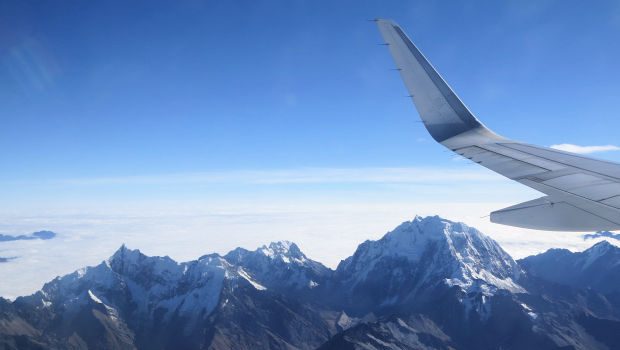 Best airline for stunning ice peak mountain views during flight to Cusco
 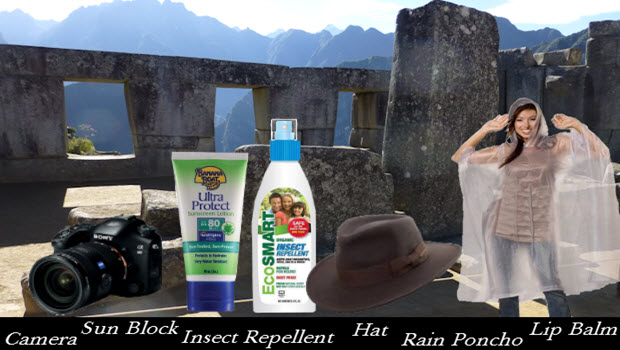 What should I carry in my backpack to go to Machu Picchu?
  You can use US Dollars in Peru, but…
  Sacred Warriors Comics on Sale at Cusco News Stands Now
  Peru Will Enforce 6-Month Passport Rule