Cusco Info

Home

Cusco: The Navel of the Universe

Built by the Spanish on the foundations of plundered and razed Inca temples and palaces, Cusco is an enticing destination worthy of several days exploration. Conquistador Francisco Pizarro reached Cusco in November 1533 and was astonished by the city’s beauty. The stonework was better than any in Spain and precious metals were used in temples throughout the city. The Spaniards took much of the gold back to Spain, but remnants of the Inca architecture give testimony to Cusco’s glorious past.

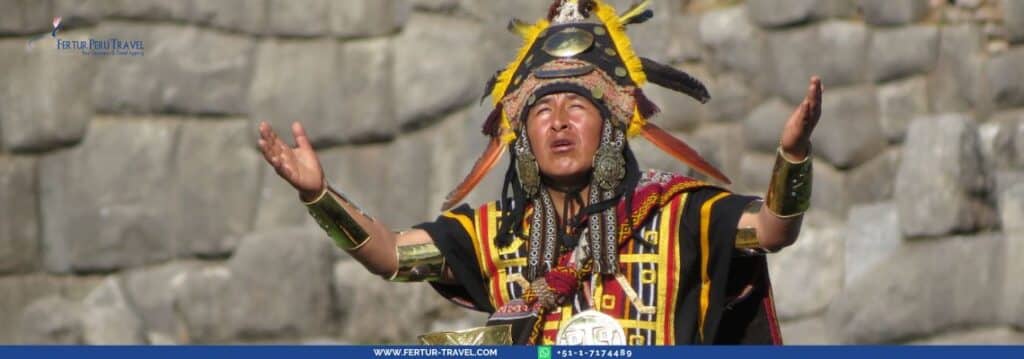
Above the city center stands Sachsayhuaman, an imposing fortress and ceremonial center that every June provides the setting for the reenactment of Inti Raymi, the Inca celebration of the summer solstice. Beyond the fortress are Qenko, the small fortified hunting lodge of Puca Pucara and the stunning imperial baths of Tambo Machay.

Cusco has earned a reputation for its nightlife, including the throbbing Calle Plateros. Music at clubs ranges from Andean panpipes to jazz and Latin rock.

Essential Travel Information

Elevation: 11,152 feet (3,399 meters above sea level)
From Lima: 1 hour by flight | 21 hours by bus
Recommended Stay: 4 days minimum

Climate and Weather

We advise travelers to prepare for Cusco’s highland climate:

  • Altitude: 3,400 mts. / 11,152 ft. above sea level
  • Weather: Dry with sunny days and cold nights
  • Temperature: 50-74ºF – 10-24ºC approx.
  • Rainy Season: December to March

Recommended Stay Duration

We recommend planning to stay for a minimum of three days to appreciate Cusco’s attractions. The truth is, five days is better, and many visitors regret not allotting even more time.

The City of Cusco

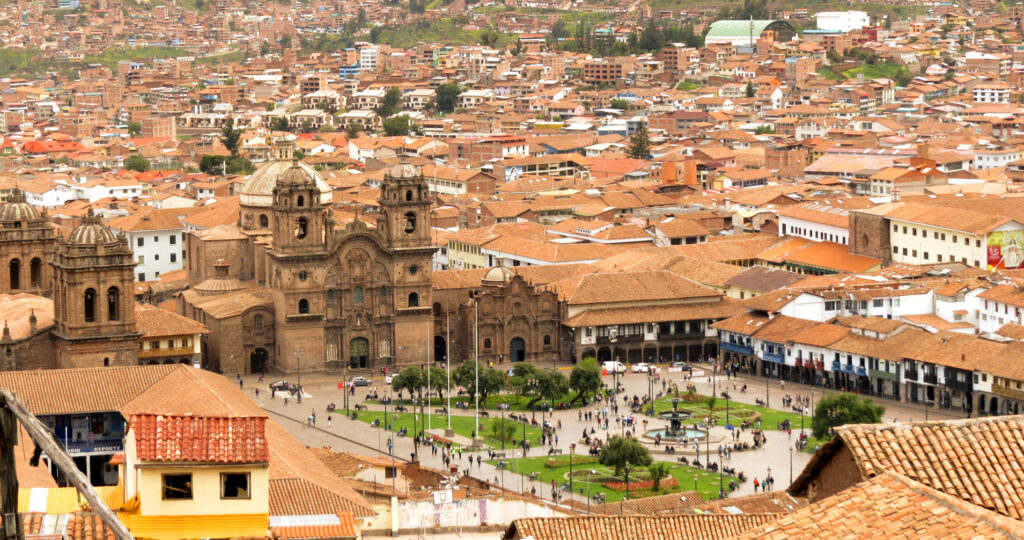
Panoramic view of Cusco’s Plaza de Armas with its twin colonial churches, central green square, and surrounding terracotta rooftops spreading across the city.

Cusco stands as one of South America’s most compelling destinations. UNESCO designated the city a World Heritage site, recognizing architecture that merges Inca foundations with Spanish colonial buildings. We find this combination nowhere else on earth.

The main square transforms at nightfall. Soft yellow lights illuminate the arcades while the Cathedral and the Church of the Company of Jesus reveal their intricate facades.

Streets that bustle during the day become quiet corridors where history speaks through stone walls and ancient doorways.

The Inca Fortresses

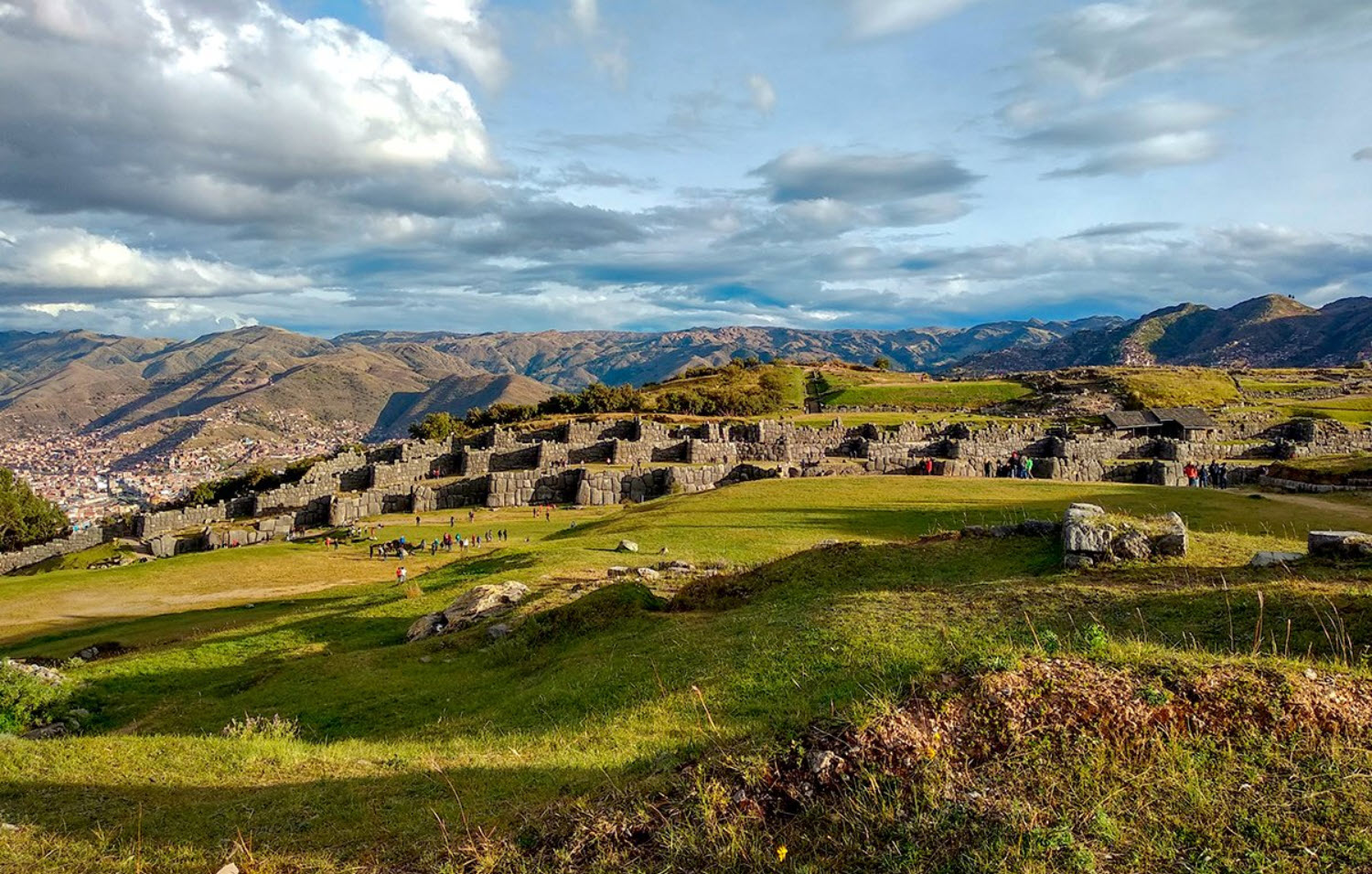
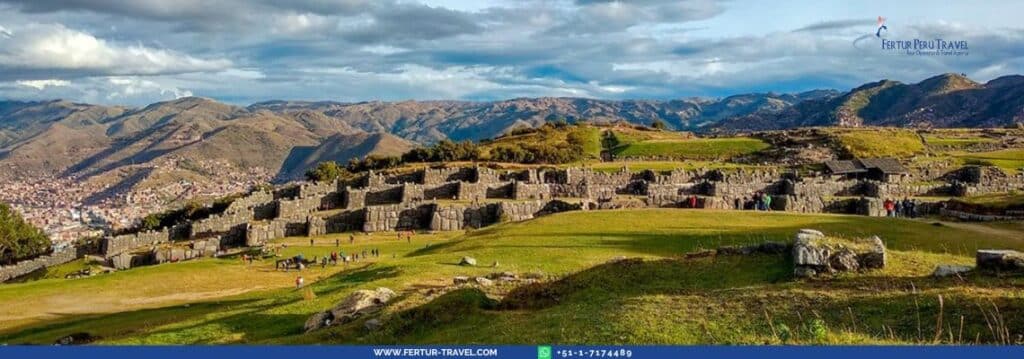
Just beyond the city limits sits Sacsayhuamán, where massive stones—some weighing 350 tons and standing nearly 30 feet high—fit together without mortar.

The Inca constructed this fortress with such precision that we cannot slide a blade between the rocks.

Other sacred sites dot the landscape: Qenko served as a place of worship, while Tambomachay, the Inca baths, demonstrates the civilization’s sophisticated water engineering.

These locations remain active archaeological sites where new discoveries continue to emerge.

The Inca Temple Fortress of Saqsaywaman

The Sacred Valley

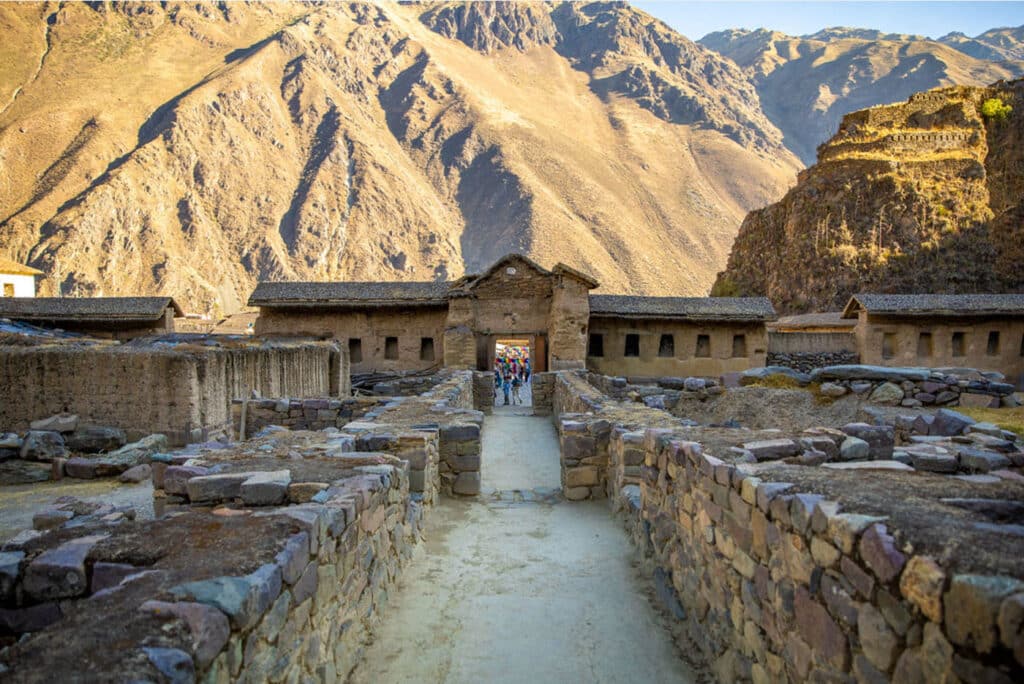
Inca ruins of Ollantaytambo in Peru’s Sacred Valley, with stone walls and ancient buildings framed by steep golden mountains at sunset.

The Sacred Valley stretches northwest from Cusco, following the Urubamba River through dramatic mountain terrain. Agricultural terraces descend the slopes like giant steps, many still in use after five centuries. The air carries the scent of bread baked in traditional mud ovens.

Villages such as Pisac, Yucay, and Ollantaytambo preserve their colonial character while serving as gateways to Inca ruins. Markets in Pisac draw vendors from surrounding communities. Ollantaytambo retains its original Inca street plan, and massive temple ruins tower above the town center.

Machu Picchu

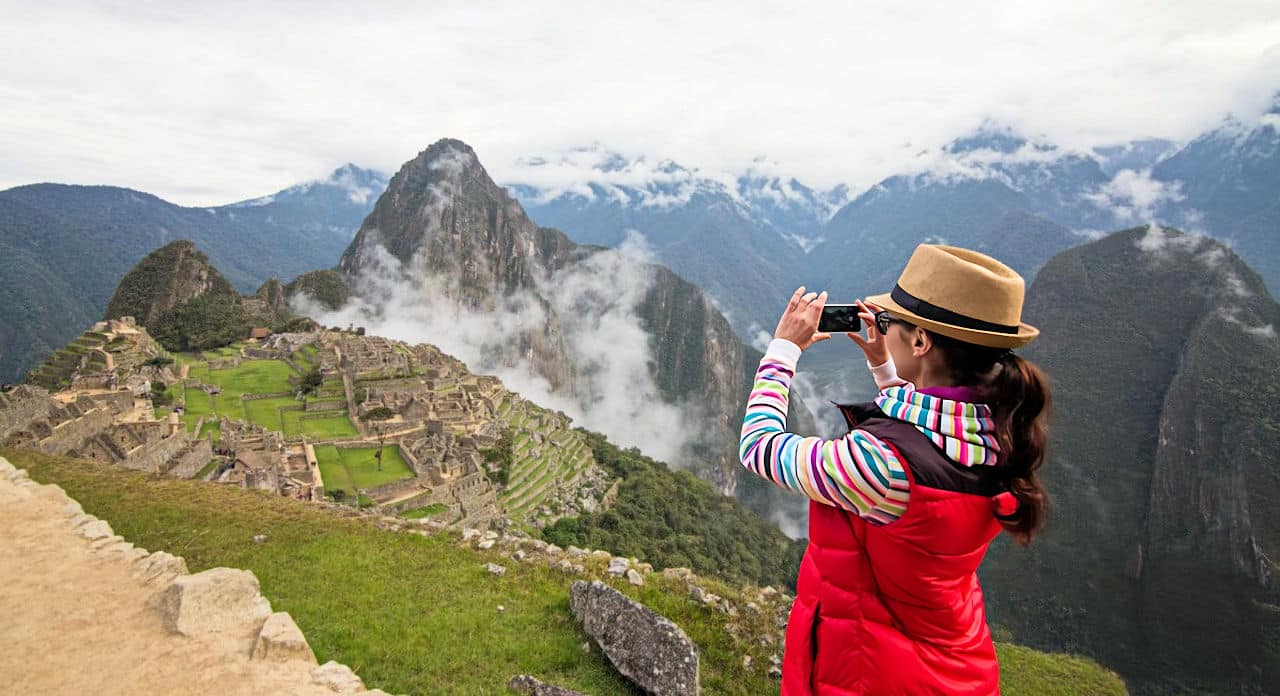
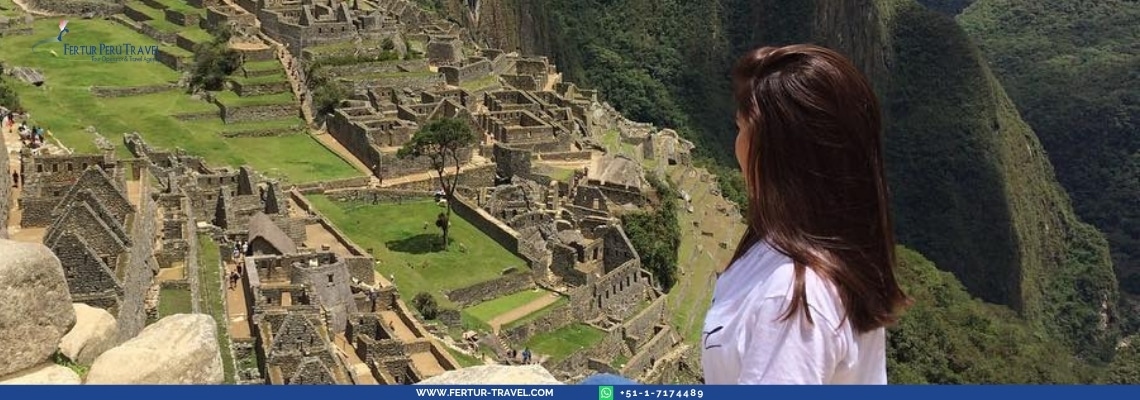
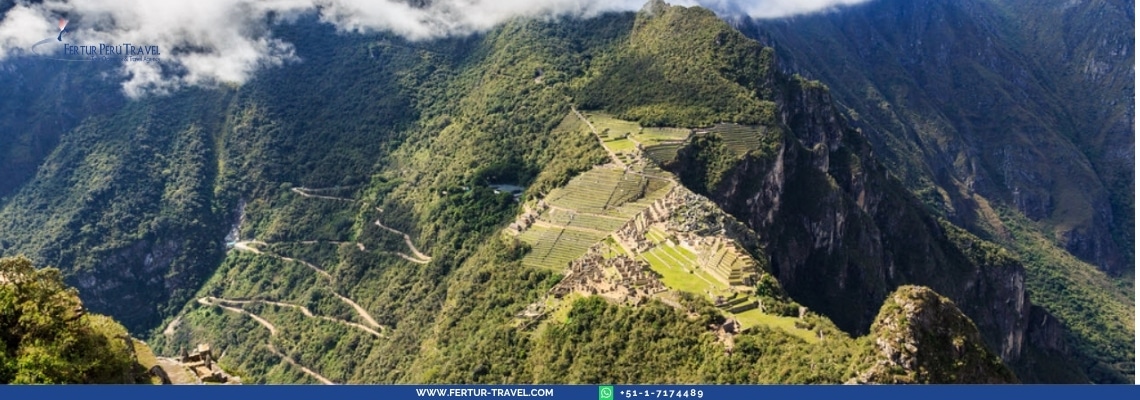
We reach Machu Picchu by train from Cusco through the Sacred Valley. The citadel sits at 7,970 feet, lower than Cusco itself, on a ridge between two peaks.

Built in the 15th century and abandoned a hundred years later, the site remained unknown to the outside world until 1911.

The structures demonstrate the Incas’ mastery of stone work and their understanding of astronomy and agriculture.

Terraces prevented erosion on the steep slopes. Stone temples aligned with solstice sunrises. Water channels still function as designed six centuries ago.

Female traveler taking the iconic photo of Machu Picchu

Choquequirao

Choquequirao offers an alternative to Machu Picchu’s crowds. We reach this site only by a two-day trek, which preserves its remote character. The ruins sprawl across terraces and plazas, most still partially covered by vegetation. Archaeologists estimate they have excavated only 30 percent of the complex.

Planning Your Visit with Us

We operate year-round, though the dry season (May through September) brings easier travel conditions. The rainy season (December through March) turns the landscape green but can complicate access to archaeological sites. Cusco’s elevation requires acclimatization—we recommend spending your first day at a lower altitude before engaging in strenuous activities.

The region offers experiences beyond ruins: textile workshops in Chinchero, salt pans at Maras, agricultural terraces at Moray, and white-water rafting on the Urubamba River. We help arrange permits for the Inca Trail, which requires booking months in advance due to daily visitor limits.

Upcoming Vacations in Peru

tripadvisor travelers choice awards 2025
Tripadvisor Travelers Choice Awards 2025
medios de pago para Fertur Travel
fertur travel sello safe travel

Contact telephone numbers

Offices

cropped fertur favicon

Fertur-Travel