Best Times of Year to Visit Argentina
Because Argentina spans several climate zones, timing your trip matters. In general, the most comfortable shoulder months are fall (March–May) and spring (September–November), when temperatures are moderate across much of the country and visitor numbers are lower than in peak summer.
Buenos Aires and Mendoza are especially pleasant in these periods, ideal for walking tours and wine-country excursions. March and April bring striking fall colors to the Lake District around Bariloche, while spring in Patagonia can mean clear days and wildflowers spreading across the steppe.
Summer (December–February) is the busiest season in Patagonia and Tierra del Fuego, when milder temperatures make hiking and navigation easier in places like Los Glaciares National Park or the Beagle Channel near Ushuaia. Expect higher prices and more competition for space on trails and excursions. Farther north, including Iguazú Falls, summer is warm, humid, and wetter—conditions that swell the river and make the falls more powerful.
Winter (June–August) is prime time for skiing in Bariloche and other Andean resorts. In Patagonia, it brings a quieter atmosphere and snow-covered peaks, but shorter days, colder temperatures, and weather-related closures for some routes and services. In Buenos Aires, winter is calmer, with fewer visitors and more space to enjoy museums, cafés, and tango venues at a slower pace.
Argentina is a genuine year-round destination. The “best” season depends on whether you are most interested in trekking, skiing, wildlife, festivals, wine, or city culture. Matching your dates to your priorities is the key step toward a satisfying itinerary.
Key Destinations Across Argentina
Buenos Aires: Culture, Neighborhoods, and Nightlife
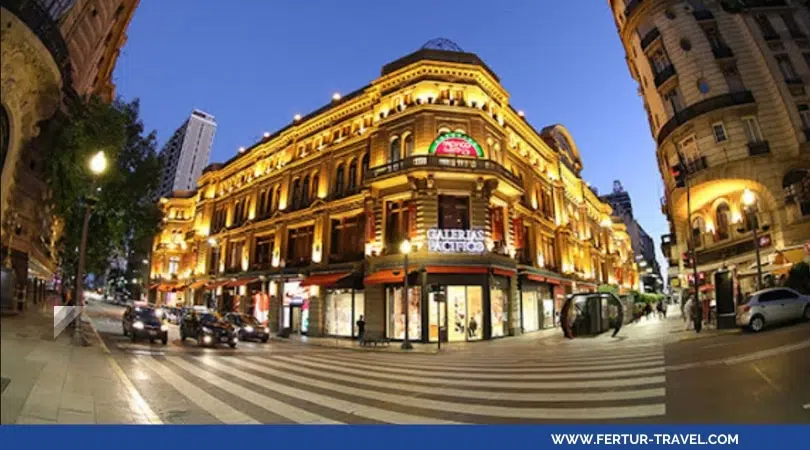
Buenos Aires combines grand 19th-century avenues, compact historic streets, and busy modern districts. Each neighborhood has its own character. In Recoleta, tree-lined boulevards lead to classic apartment blocks, designer shops, and the famous cemetery where Eva Perón is buried. La Boca is more informal and artistic, known for brightly painted houses and street performers.
Food is central to the city’s identity. Alongside traditional parrillas (steakhouses) serving expertly grilled beef, you’ll find pastas reflecting Italian influence, contemporary tasting menus, and small cafés where people linger over coffee and medialunas. Private or small-group cooking classes can add a practical introduction to dishes such as empanadas and dulce de leche desserts.
Evenings offer a wide range of options. You might attend an opera, ballet, or concert at Teatro Colón, take a tango lesson followed by a visit to a local milonga, or try a circuit of cocktail bars in Palermo. The city runs late; dinner rarely starts before 9 p.m., and nightlife continues well after midnight.
Buenos Aires also provides a clear window onto Argentina’s history. Museums such as MALBA highlight Latin American art, while guided walks through the historic center trace waves of immigration, political upheavals, and social change that shaped the country. With a good guide, standard sightseeing becomes a coherent story rather than a list of landmarks.
Iguazú Falls: Waterfalls and Rainforest
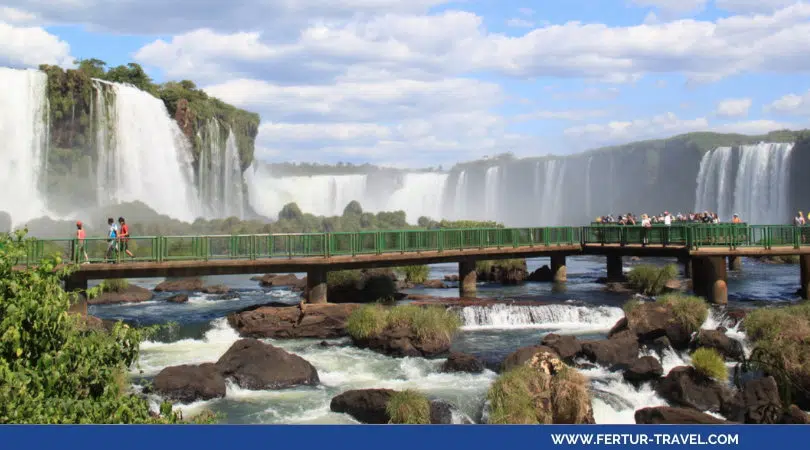
Iguazú Falls, on the border with Brazil, is one of the most impressive waterfall systems in the world. More than 270 individual cascades stretch for about 1.7 miles (2.7 kilometers), with the Garganta del Diablo (Devil’s Throat) forming the most dramatic viewpoint.
On the Argentine side, a network of walkways brings you close to the water, above and below the falls. You can feel the spray, watch the shifting plumes of mist, and hear the low roar that never stops. Boat rides at river level take you near the base of several falls for an intense, very wet experience.
The surrounding subtropical forest is rich in wildlife. With a naturalist guide, it is common to spot toucans, coatis, capuchin monkeys, and a wide variety of butterflies; jaguars and tapirs are present but rarely seen. Helicopter flights (on the Brazilian side) show the full scale of the falls and the forest that frames them.
Staying in or near the national park allows you to visit at different times of day. Early morning usually brings cooler air and fewer people; later in the afternoon, sunlight often produces strong rainbows above the cascades. Some high-end arrangements can include access outside regular opening times, when the walkways are almost empty and the sound of the water dominates.
Mendoza: Wine, Food, and the Andes
Mendoza lies at the base of the Andes in a region that has become synonymous with Malbec. High altitude, strong sunlight, poor but well-drained soils, and mountain meltwater create excellent conditions for vineyards and a wide range of wine styles.
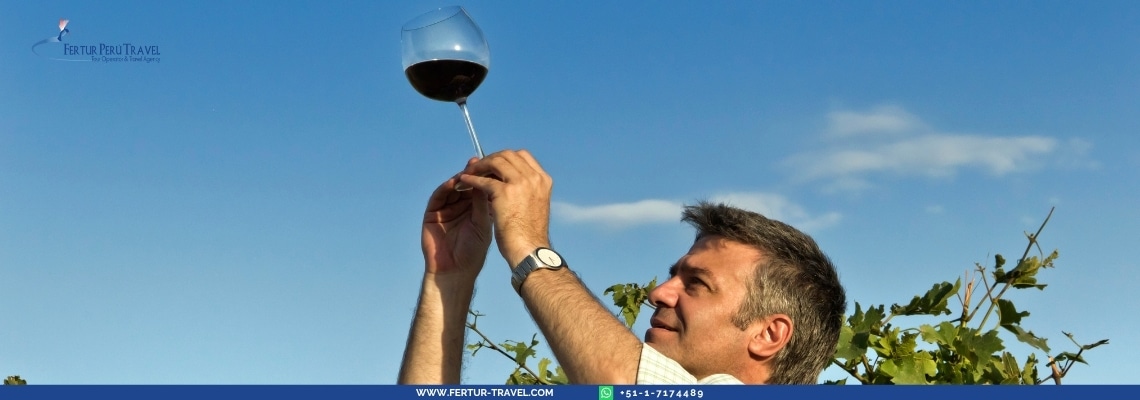
Well-designed private or small-group wine programs go beyond standard tastings. Visits to family-run bodegas may include time with the winemaker, sampling limited bottlings and discussing the decisions behind each vintage. Some properties offer blending sessions where you can create and bottle your own wine under expert supervision.
The food in Mendoza is designed to match the wines. Many wineries host long, multi-course lunches, often outdoors among the vines. Menus feature regional produce and classic dishes such as asado, with slow-grilled meats served alongside chimichurri and seasonal vegetables.
Mendoza is also a base for outdoor activities. Depending on the time of year and your fitness level, you can ride on horseback through vineyards, raft down mountain rivers, or hike to viewpoints overlooking the Andes. A number of wine resorts and hotels include spas that use grape-based products, so you can end active days with a soak or massage before dinner.
Patagonia: Glaciers, Mountains, and the Far South
Patagonia is Argentina’s great open space: glacier-fed lakes, sharp granite peaks, and wide plains shaped by wind. El Calafate is the main access point to Los Glaciares National Park and the Perito Moreno Glacier, long considered unusually stable but now retreating as the climate warms.
From viewing platforms, you can watch sections of the glacier’s 240-foot (70-meter) ice wall break off and crash into Lake Argentino. Boat trips bring you closer to the front of the glacier, while guided ice walks allow you to step onto the surface itself, using crampons under professional supervision to explore blue crevasses and meltwater streams.
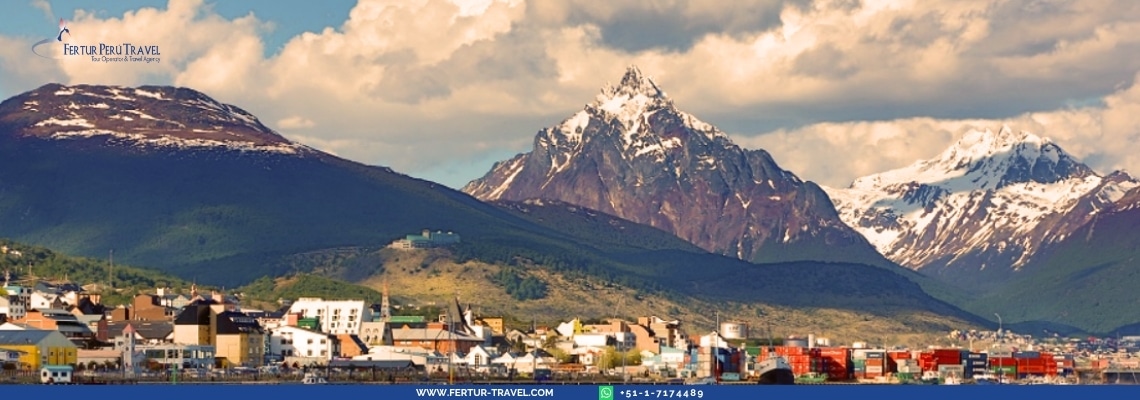
Farther south, Ushuaia stretches along the Beagle Channel beneath the Martial Mountains. It is the departure point for most cruises to Antarctica and a working port with a strong maritime character. Nearby Tierra del Fuego National Park combines coastal inlets, forest, and mountains in a compact area, with accessible trails and good chances to see birdlife, foxes, and other native species.
Patagonian lodges and small hotels are designed to make the most of the landscape: large windows, fireplaces, and simple, warm interiors. After a day on the trails or water, you sit down to regional dishes such as Patagonian lamb or centolla (king crab), often paired with wines from Mendoza or Patagonia’s own newer vineyards.
Stay Current on Entry, Visa, and Insurance Requirements
Before you book, and again shortly before you travel, it’s essential to verify Argentina’s latest entry rules for your nationality, including passport validity, visa policies, and any other requirements such as proof of travel insurance. Regulations can change with little notice, so always check official government or consular websites and consult your travel specialist to ensure you meet all conditions for tourist entry and avoid unexpected issues at the border.
Designing a Tailor-Made Argentina Itinerary
A good Argentina itinerary starts with a clear understanding of what you want from the trip. Our travel specialists work with you to define priorities—cities, landscapes, wildlife, food and wine, or a combination—and then fit them into a realistic route and pace.
The process usually begins with a detailed conversation about your travel history, interests, and comfort level. If wildlife is a focus, we might add days in the Iberá wetlands to look for capybaras, caiman, and birdlife. If you are particularly interested in wine, we can include quieter valleys in Salta and the northwest in addition to Mendoza.
Because Argentina is large, domestic flights are often the most efficient way to move between regions. We plan air connections and private transfers to reduce wasted time and make sure you arrive ready to enjoy each destination, not just recover from the journey. Hotels and lodges are chosen for location, service, and a sense of place that fits your style, whether you prefer classic city properties or small inns in the countryside.
Thoughtful details turn a solid plan into a memorable one. That might mean arranging a private tango class in a traditional Buenos Aires salón, an invitation-only tasting at a small winery, or a visit to a conservation project in Patagonia. By matching experiences to your interests rather than using a fixed template, we can help you build an Argentina trip that feels specific to you, with a clear structure and enough flexibility to enjoy unplanned moments along the way.