Home / Trujillo Info
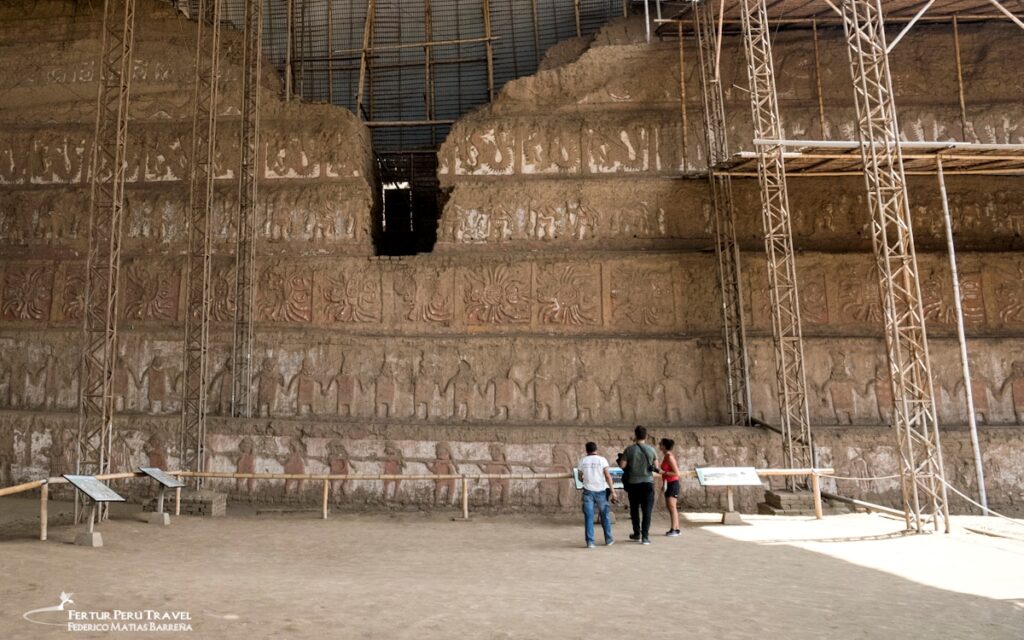
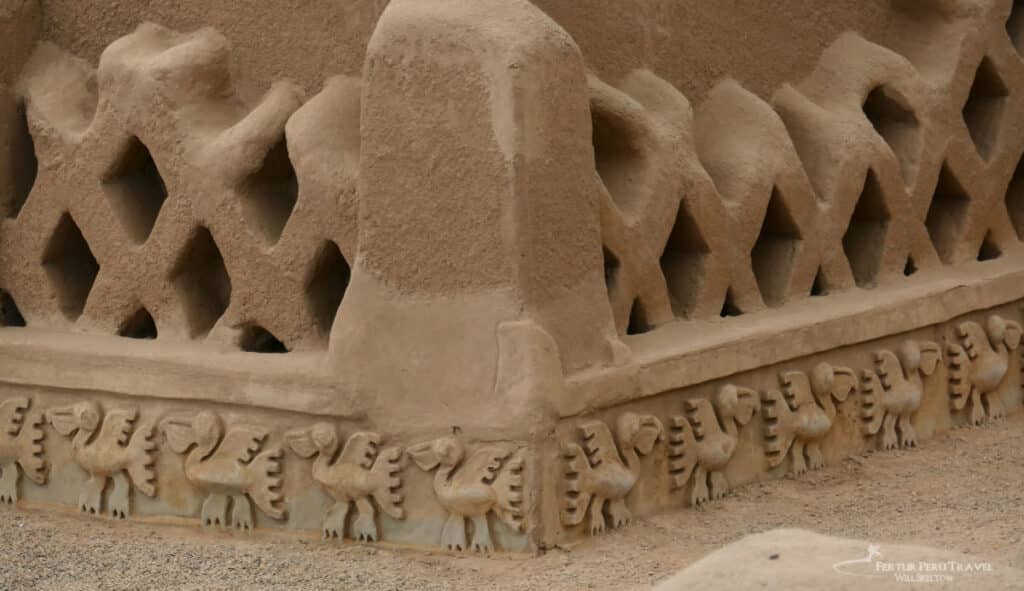
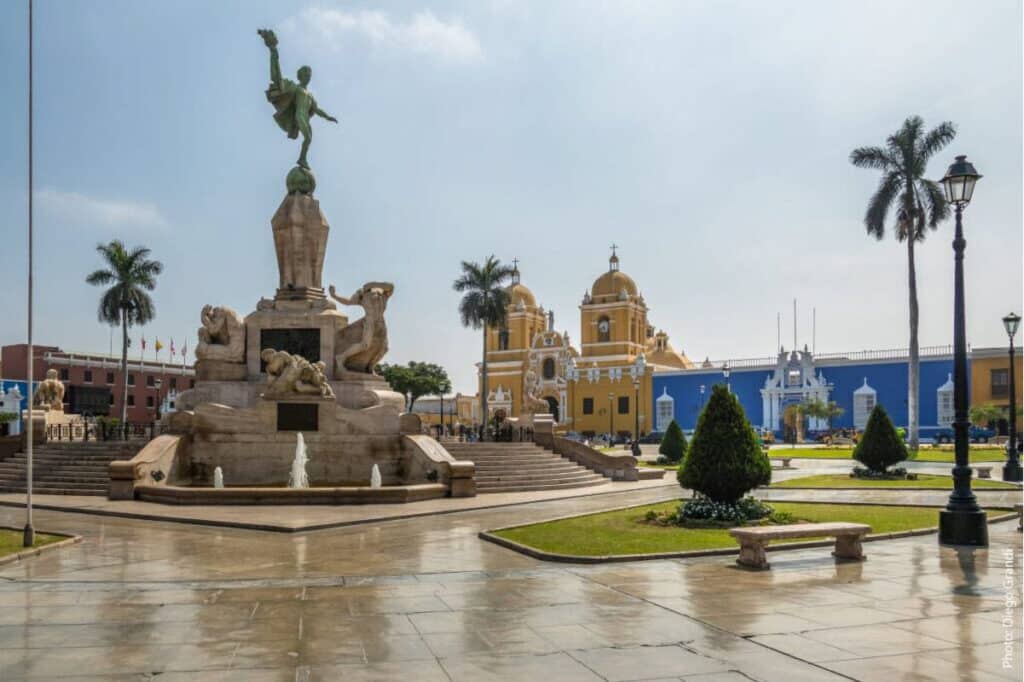
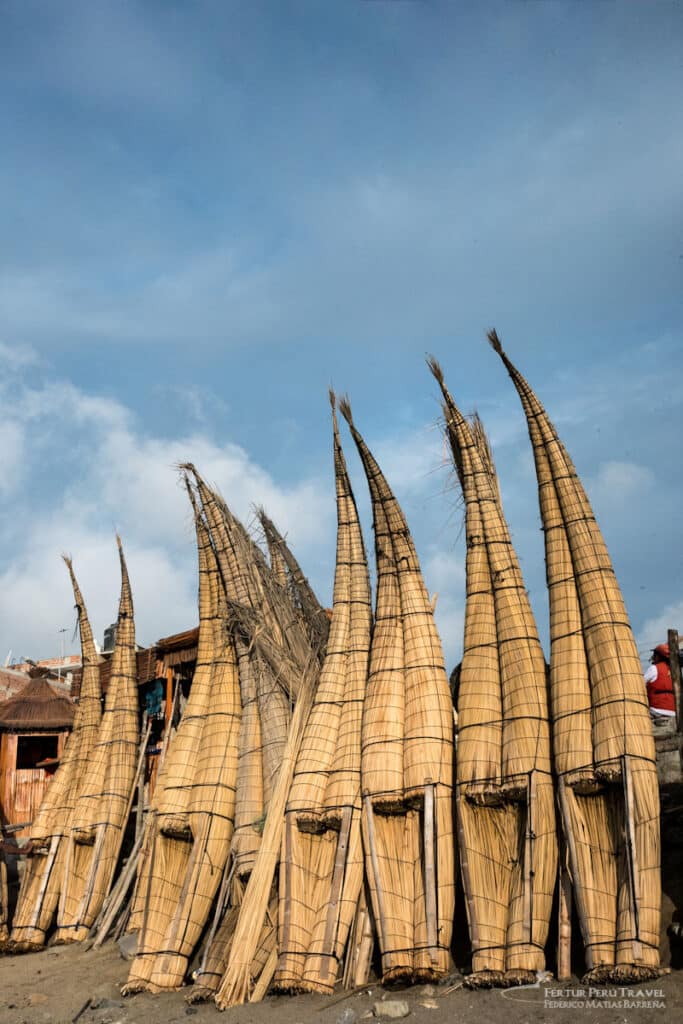
Trujillo is Peru’s north-coast crossroads of pre-Columbian empires and architecture. What makes it special isn’t only what you can see here, but how efficiently you can see it. This charming Spanish Colonial city delivers so much in a compact radius: an adobe empire capital on the desert plain, Chimú and Moche temples with murals that still carry their original color, and a historic center where balconies, courtyards, and churches tell the story of a wealthy colonial city that later helped shape Peru’s independence.
Trujillo sits on Peru’s northern coast in La Libertad. For travelers with some time to explore, the city is an ideal base. Most major highlights are reachable as straightforward half-day or full-day outings, meaning you can explore hard and still sleep in the same hotel each night.
Long before the Incas expanded north, Trujillo’s region was already a powerhouse.
The Moche flourished roughly between 100 and 800 CE, leaving behind ceremonial centers, masterful metalwork, and some of the most expressive ceramic portraiture in the Andes. Their world comes alive in temple architecture and iconography—warriors, prisoners, divine beings, and ritual scenes rendered with startling clarity.
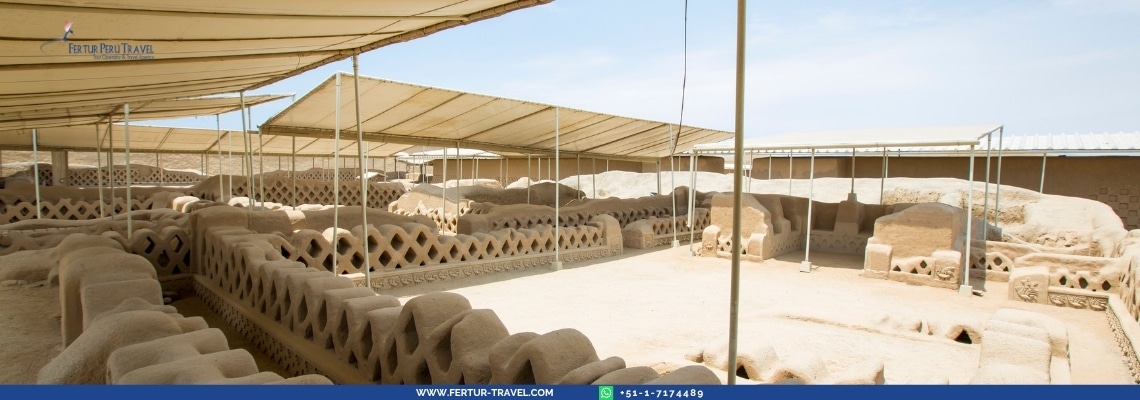
After the Moche, following a historically brief rule by the Sicán, the Chimú built an administrative empire centered on a vast adobe city. Their planners organized space with walls, corridors, plazas, and storage areas—an urban blueprint designed for power, ceremony, and control in a harsh desert environment.
The Spanish founded the city in 1535, naming it after the birthplace of Francisco Pizarro. Colonial wealth left a visible mark: mansions, churches, and a refined urban grid anchored by a central plaza.
Trujillo later played a defining role in Peru’s independence movement. In 1820, it was among the first cities to declare independence. The Casa de la Emancipación preserves that moment, while other historic residences recall the era of visiting liberators such as Simón Bolívar.
To book your Northern Peru tours now or consult with us, fill out the “Contact Us” form and a Fertur Peru Travel coordinator will contact you within one working day with detailed information about your fully customizable trip.
Fertur Peru Travel’s pledge is to offer you top-quality, individualized attention that starts with the planning of your trip and continues through your journey to guarantee a great vacation.
Trujillo’s climate, while earning it the nickname “City of Eternal Spring,” varies throughout the year, making certain periods more favorable for visitors depending on their preferences and planned activities. Understanding these seasonal patterns helps travelers maximize their experience in this northern Peruvian destination.
The period from May to September generally offers the most pleasant weather conditions for exploring Trujillo and its surroundings. During these months, temperatures typically range from 60°F to 80°F (15°C to 27°C), with clear skies and minimal precipitation. This comfortable climate proves ideal for walking tours of the historic center, archaeological site visits, and other outdoor activities. The moderate temperatures during this period also make it possible to explore during midday hours, though morning and late afternoon excursions still provide the most comfortable experience.
From December to March, Trujillo experiences its warmest weather, with temperatures sometimes reaching the mid-80s Fahrenheit (around 30°C). While not excessively hot by global standards, the combination of heat and humidity during these months can make extended outdoor activities somewhat challenging, particularly at archaeological sites with limited shade. Travelers visiting during this period should plan their explorations for early morning or late afternoon hours, reserving the midday heat for indoor activities like museum visits or relaxing meals.
January deserves special consideration for those interested in cultural experiences, as it marks the National Marinera Competition. This prestigious event transforms Trujillo into a celebration of music, dance, and Peruvian traditions, with performances, parades, and festivities throughout the city. While accommodation prices may increase during this period and advance reservations become essential, the opportunity to witness this cultural spectacle compensates for any additional planning requirements or expenses.
The coastal fog known locally as garúa occasionally affects Trujillo, particularly from June to November. This phenomenon, which brings misty conditions and reduced visibility, rarely interferes significantly with travel plans but may temporarily diminish photographic opportunities at scenic viewpoints or archaeological sites. The fog typically dissipates as the day progresses, so flexible scheduling can help visitors avoid its impact on their experience.

Taxis provide the most practical transportation for visitors. Unlike Lima, ride-sharing apps haven’t taken hold here—traditional taxis remain standard. Confirm the fare before getting in, as drivers rarely use meters. Local minibuses called “combis” cost less but require knowing routes and stops.
For archaeological sites, we recommend hiring a driver for the day or booking tours that include transportation, entrance fees, and guides who explain the historical context.
Trujillo compares favorably with other Peruvian cities, but take standard precautions. Keep valuables secure in crowded areas—markets and the main plaza attract pickpockets. Don’t display expensive cameras or jewelry. Use hotel safes for passports and extra cash.
The historic center is well-patrolled and safe during the day. Evening walks should stay within well-lit, busy areas. Pay attention to your surroundings and ask locals which areas to avoid.
ATMs dispensing soles are common, especially near the main plaza and shopping districts. Hotels, restaurants, and larger stores accept major credit cards. Markets and small establishments operate cash-only. Keep small bills on hand for taxis, street vendors, and situations where change is scarce.
Mobile coverage works reliably throughout the city. Most hotels, cafés, and restaurants offer Wi-Fi. For consistent connectivity, buy a local SIM card from Claro, Movistar, or Entel—registration is straightforward and rates are reasonable.
Basic Spanish helps considerably, though tourism professionals at upscale hotels and major sites often speak some English.
Prices available upon request
Contact telephone numbers
Offices