Inicio / Tambopata Highlights
Puerto Maldonado, the gateway to the Amazon, is a treasure trove of biodiversity, cultural richness, and natural wonders. Nestled in the southeastern region of Peru, this vibrant city offers unparalleled access to some of the most pristine rainforests in the world. Tambopata stands as the most biodiverse place on the planet with over 1,200 plant species, 630 bird species, and 160 mammal species.
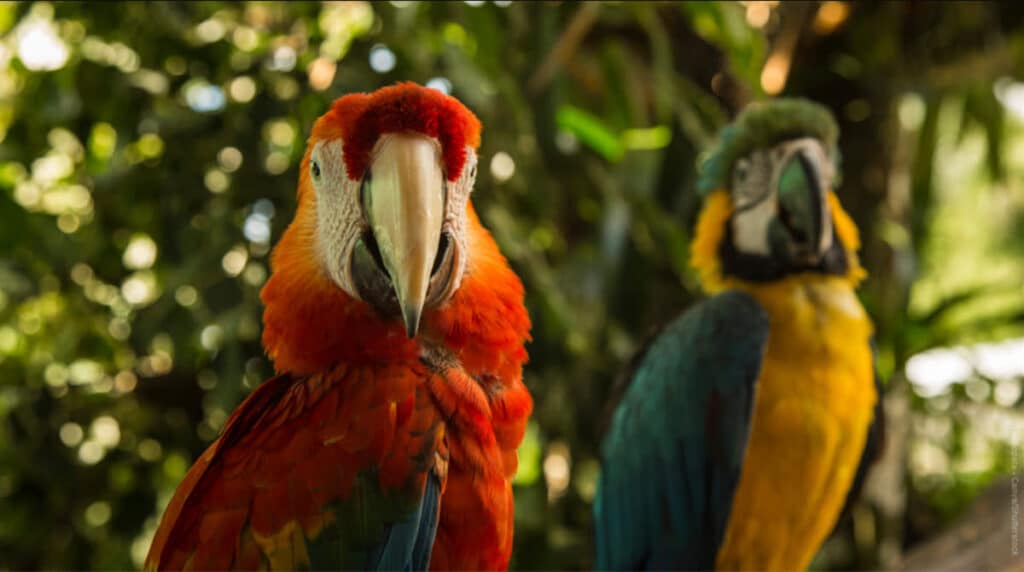
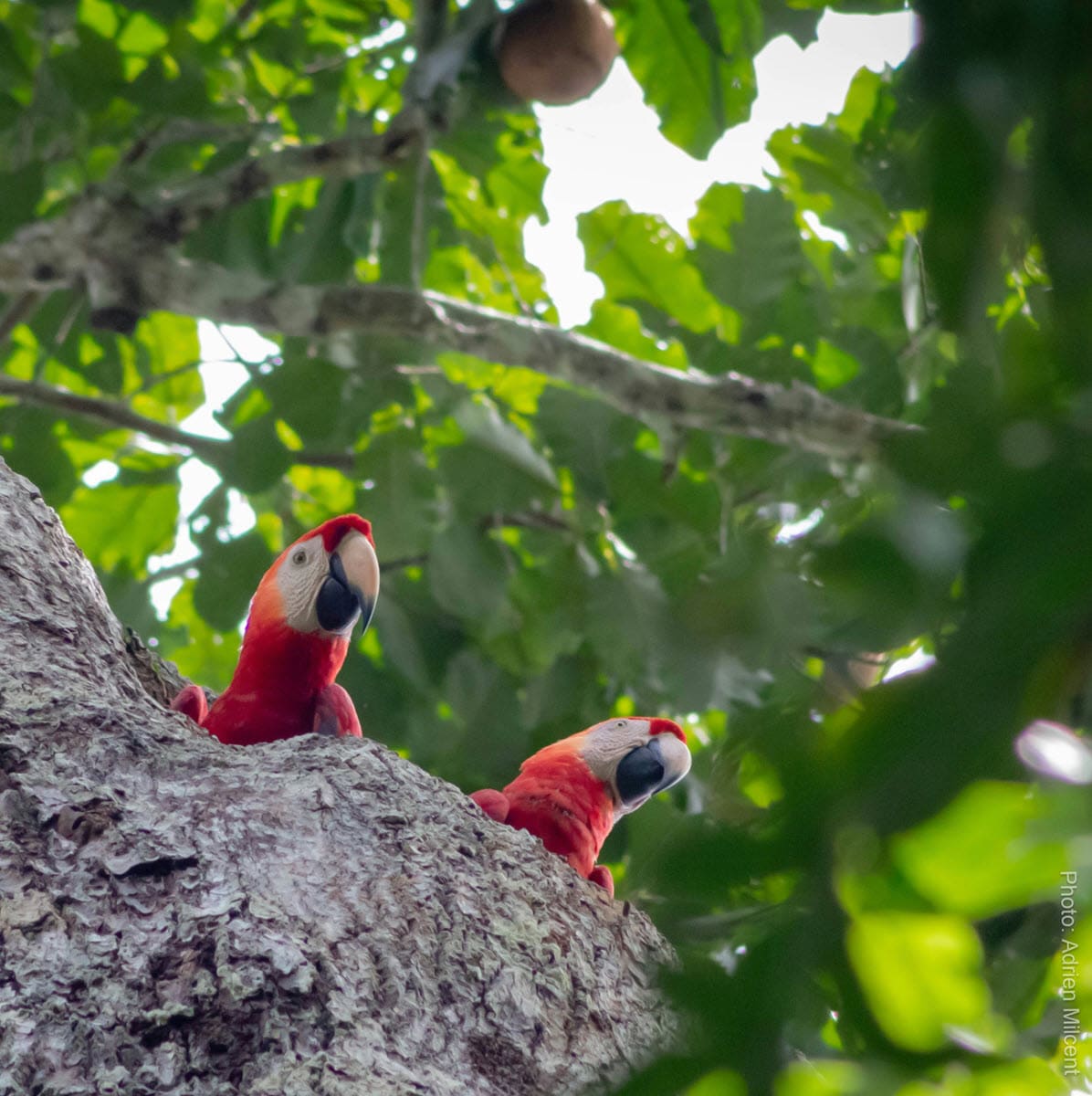
The reserves surrounding the city cover more than 8.6 million acres (3,500,000ha), holding some of the richest pockets of biodiversity in the world. The region is home to jaguars, anteaters, giant otters, caimans, monkeys, tapirs, vultures, hawks, macaws, hummingbirds, and countless other species.
The area boasts more than 200 species of mammals, 1,000 birds (10% of the world’s species), and more than 70 amphibian species. Also identified are some 760 species of fish, 500 species of beetles, 80 species of ants, and more than 15,000 species of flowering plants, to name a few. Tambopata specifically has documented 362 ant species, 83 reptile species, 66 amphibian species, and over 100 mammal species.
Scientists are discovering new species every year, as they study animal behavior and catalogue new biological data that could hold the key to major advances in medicine and science.
Tambopata’s 1.4 million hectares hide remarkable wildlife encounters that regular travel guides rarely mention. While macaws often steal the spotlight, the rainforest offers extraordinary sights that transform a simple jungle visit into an unforgettable experience.
To book your Tambopata tours now or consult with us, fill out the “Contact Us” form and a Fertur Peru Travel coordinator will contact you within one working day with detailed information about your fully customizable trip.
Fertur Peru Travel’s pledge is to offer you top-quality, individualized attention that starts with the planning of your trip and continues through your journey to guarantee a great vacation.
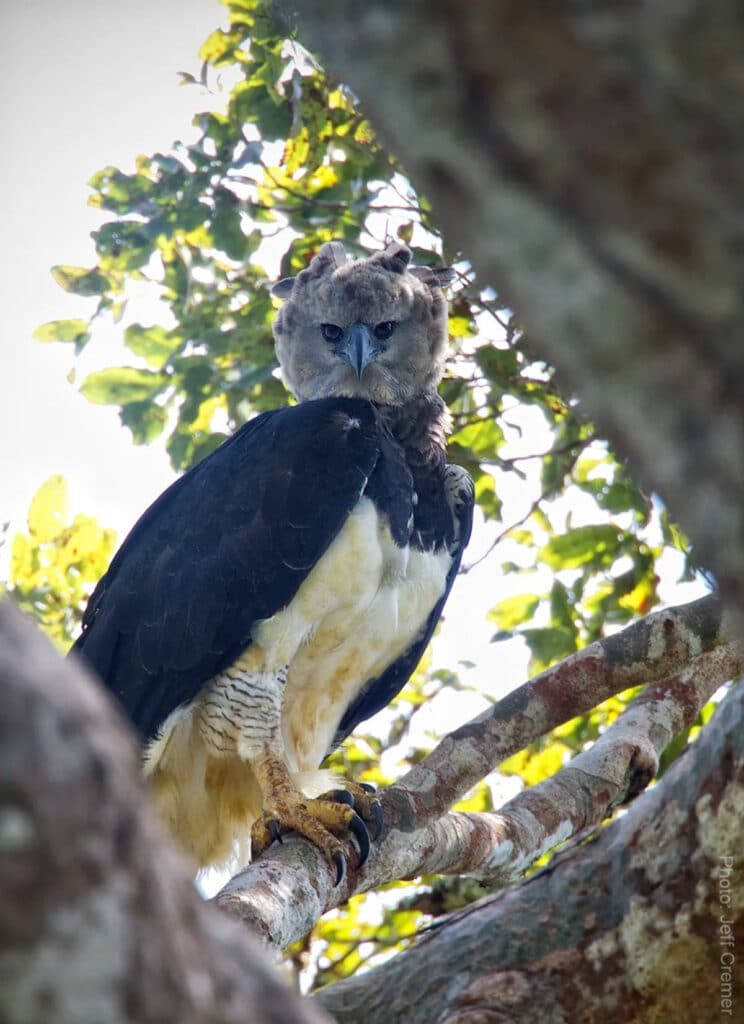
The majestic harpy eagle can occasionally be spotted near the Chuncho clay lick along the Tambopata River. This apex predator boasts a 2-meter wingspan and hunts high in the canopy. Research-oriented lodges with tall observation towers provide the best opportunities for sightings.
The short-eared dog ranks among South America’s most secretive canids. These elusive animals appear more frequently along forest edges near Baltimore and Condenado lakes. A 2019 study recorded five different sightings in these areas.
Bird enthusiasts should watch for the rare Rufous-fronted Antthrush in terra firme forests near the Malinowski River.
This shy ground-dweller appears most often during early morning walks from May through July.
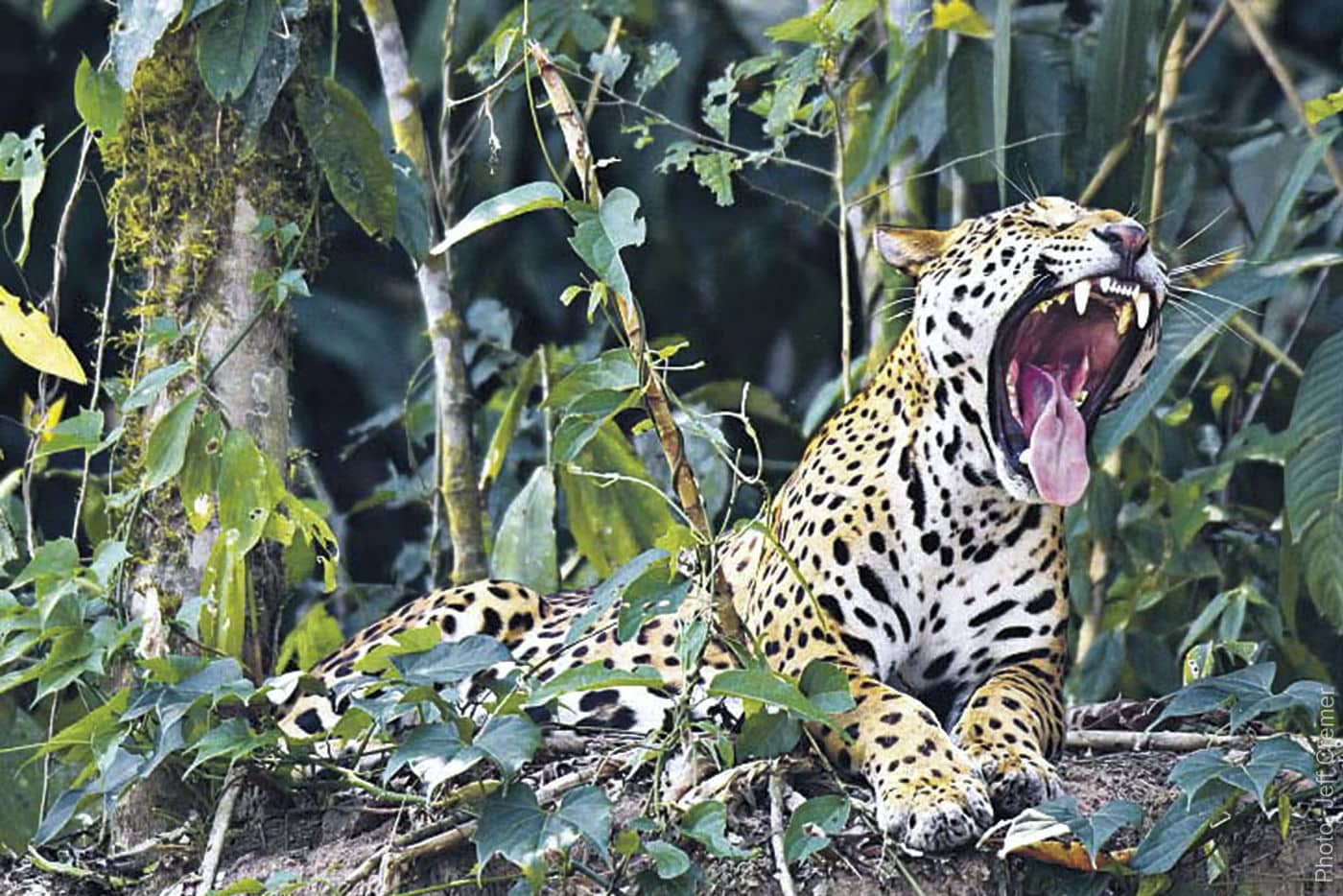
The jaguar represents Tambopata’s ultimate wildlife prize. Capturing one on film is rare.
To maximize sighting opportunities, visitors should:
• Take early morning boat rides along riverbanks, especially near oxbow lakes where prey gathers
• Plan trips during dry season when cats gather near limited water sources
• Choose a lodge that runs motion-triggered camera trap programs to track jaguar movement
• Stay for at least five days to a week — or longer.
The area between Refugio Amazonas and the Tambopata Research Center sees the most jaguar activity.
During peak season, approximately 1 in 15 visitors report encounters in this region.
The rainforest transforms dramatically after dark, yet most visitors miss this spectacular change. Leaf-cutter ants create busy highways as they transport plant pieces larger than themselves. Fishing bats sweep across water with their specialized feet, while giant monkey frogs call out to potential mates.
Night walks reveal amazing sights. Scorpions glow electric blue under UV light, and tarantulas hunt from their burrows. The woolly false vampire bat emerges with its impressive 60-centimeter wingspan to hunt birds, making it one of the Amazon’s most remarkable nocturnal hunters.
Research-focused lodges offer special night tours for these experiences, though only about 20% of visitors participate in these trips. Naturalists consider these nighttime excursions among Tambopata’s most spectacular wildlife moments.
Lake Sandoval is a breathtaking natural wonder located in the midst of the Amazon rainforest. This pristine lake is home to a rich diversity of flora and fauna, including herons, hoatzins (the only ruminant-like bird on the planet), and caimans. Visitors can enjoy a variety of activities such as:
• Fishing: The lake is teeming with fish, making it a perfect spot for anglers
• Boat Rides: Rent a boat and explore the tranquil waters
• Swimming: Take a refreshing dip in the lake
• Wildlife Watching: Observe the vibrant wildlife and enjoy stunning reflections of the sunset on the water
Japipi, which means “butterfly” in the Ese’eja language, is a unique butterfly farm and biodiversity center. It offers visitors the chance to learn about the various species of butterflies native to the region and their ecological significance. The center also provides insights into the broader biodiversity of the Amazon rainforest.
The Tambopata National Reserve is a biodiversity hotspot located between the river basins of the Tambopata and Heath Rivers. The reserve is home to an astonishing array of wildlife, including:
• Birds: Over 632 species, including the harpy eagle and the Cock-of-the-Rocks
• Mammals: Nearly 169 species, such as jaguars, pumas, and tapirs
• Butterflies: More than 1,200 species
• Fish: 180 species
• Amphibians and Reptiles: 103 species of amphibians and 103 species of reptiles
The reserve also boasts 1,255 species of plants and 17 distinct plant associations by type of forest, making it a prime destination for botanical exploration. Visitors can explore the reserve’s tropical vegetation and enjoy guided tours to learn about the complex ecosystems of the Amazon. A permit from INRENA is required for entry.
The Tambopata National Reserve is an essential excursion for nature lovers. The reserve’s vast array of wildlife and plant species, combined with its stunning natural beauty, make it a prime location for eco-tourism. Visitors can take guided tours to explore the reserve’s diverse ecosystems and learn about the intricate relationships between its inhabitants.
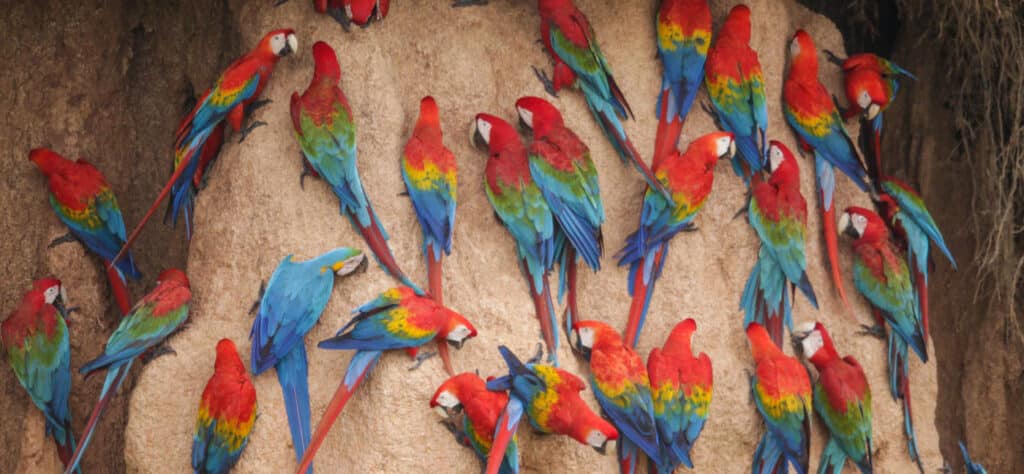
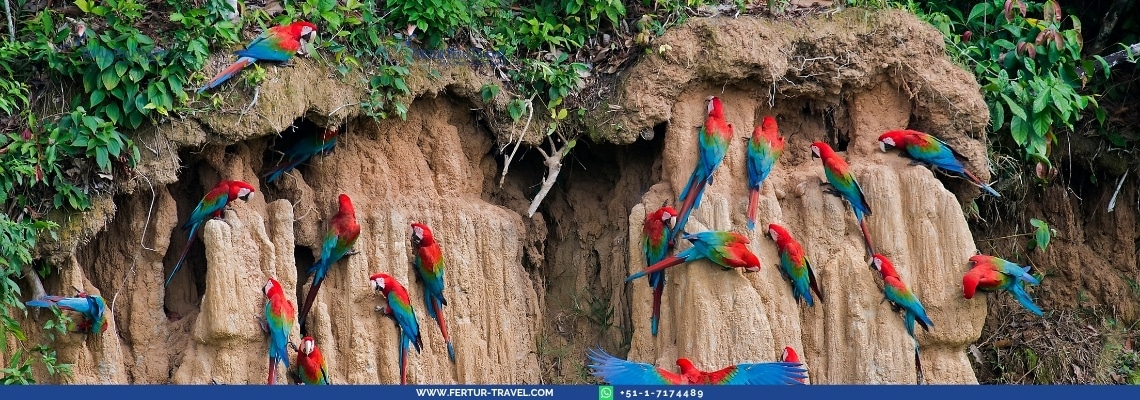
Located within the Tambopata National Reserve, the Colorado Macaw Clay Lick is a natural spectacle. Every morning, macaws, parrots, and parakeets gather at the clay lick to consume the mineral-rich clay. This colorful and noisy event is a must-see for bird enthusiasts and photographers.
Lake Valencia is an awe-inspiring body of water rich in biodiversity. The native Huarayos and local settlers rely on the lake for fishing, catching various species such as catfish, oscars, piranhas, and paiche. In addition to fishing, chestnut gathering is another important livelihood in the area.
Tambopata’s lodges extend far beyond basic rainforest stays, transforming simple jungle visits into unforgettable adventures. The region offers accommodations that connect travelers with science, local communities, and exceptional wildlife encounters.
The Tambopata Research Center stands as the only lodge located inside the Tambopata National Reserve itself. Reaching this remote outpost requires a seven-hour journey upriver from Puerto Maldonado, but the reward is direct immersion in pristine primary forest where wildlife thrives naturally.
This lodge serves a dual purpose as both a tourist destination and an active research station. Scientists have conducted important conservation work here since 1989, focusing particularly on macaw studies. Guests can participate in the Wired Amazon Program and contribute to authentic scientific projects, including setting up motion-triggered cameras to track big cats, assisting researchers in monitoring macaw nests, and potentially helping discover new moth species.
Posada Amazonas demonstrates successful collaboration between tourism and local communities. This 9,500-hectare property operates on an innovative business model — the local Ese’Eja Infierno community owns it, while Rainforest Expeditions handles management. Guest stays directly support indigenous communities while providing comfortable accommodations.
The cultural activities offered here are exceptional. Visitors can spend time with community members, observe local shamans demonstrating traditional medicine, and view wooden statues carved by residents that tell traditional stories.
Kotsimba Eco Lodge provides another opportunity for community-based tourism. Run by 14 members of the indigenous Harakbut people, they weave their traditions into every aspect of the experience — from tours and storytelling to the food served.
Three lodges offer exceptional clay lick experiences. Refugio Amazonas provides access to the Chuncho Clay Lick, where visitors can observe scarlet, red-and-green, and blue-and-yellow macaws gathering. This family-friendly lodge features the Amazon’s only children’s trail, based on a story about a six-year-old girl living in the rainforest.
Tambopata Research Center grants access to the Colorado Clay Lick, one of the world’s largest macaw gathering spots. The lodge sits deep in the buffer zone between reserves, providing unmatched opportunities to observe these magnificent birds.
Posada Amazonas has exclusive access to Collpa Hermosa, a private clay lick just 30 minutes from the lodge. This proximity allows close wildlife observation without lengthy boat rides.
Not every traveler has time for multi-day journeys deep into the reserve. Several excellent lodges sit within 20 to 60 minutes of Puerto Maldonado, offering genuine rainforest immersion without the lengthy boat rides. These closer accommodations work particularly well for shorter visits of two to four nights, combining jungle experiences with convenient access to town and popular attractions like Lake Sandoval.
Corto Maltes Amazonia Lodge
This classic rainforest retreat sits 30 to 45 minutes upriver from Puerto Maldonado’s port along the Madre de Dios River. The all-inclusive bungalows feature private bathrooms and mosquito nets, delivering authentic jungle atmosphere without sacrificing comfort. Guided hikes explore the areas bordering Tambopata Reserve, while the lodge’s kitchen serves excellent local cuisine that showcases regional ingredients.
Wasai Puerto Maldonado Eco Lodge
Positioned just 328 feet (100 meters) from the main square, Wasai offers the ultimate convenience for travelers wanting quick town access. The 10 to 20-minute journey from Puerto Maldonado makes this one of the region’s most accessible options. Eco-friendly rooms overlook the Tambopata River, and the property features a riverside pool. Breakfast comes included, with optional activities like canoeing and fishing available for those seeking adventure close to home base.
The Amazon Yoga Centre (Casa Amazonas)
Located 20 to 30 minutes from Puerto Maldonado along the Tambopata Corridor at Kilometer 12, this boutique eco-lodge serves a different purpose entirely. Founder Vanessa Frías has created a dedicated space for transformation, combining daily yoga classes in the purpose-built shala with meditation sessions, Ayurveda workshops, and entirely vegan meals. The 14-hectare property preserves old-growth forest, offering retreat participants the chance to reconnect with nature while focusing on personal wellness.

This national park straddles the departments of Puno and Madre de Dios and includes a variety of ecosystems, from mountain forests to savannahs filled with palm trees. The park is notable for its incredible biodiversity, including:
• Unique and Endangered Species: Such as the river otter and black caiman
• Indigenous Inhabitants: The Ese’eja people call this park home, living in harmony with their surroundings
In addition to the unique wildlife and indigenous communities, Bahuaja Sonene National Park offers visitors the chance to explore extensive mountain forests and tropical rainforests. The park’s diverse habitats are home to countless plant and animal species, making it a prime destination for eco-tourism and wildlife observation.
There are many full-day jungle trips from Puerto Maldonado that include boat rides on the Tambopata River to the famous Macaw Clay Lick.
Yoga and spiritual retreats are available within driving distance from the city. Activities include meditation, cooking classes, massages, and short excursions into the rainforest for hikes, bike rides, and kayaking adventures.
Success in the Tambopata adventure depends significantly on proper preparation. Standard packing guides often overlook items that seasoned jungle travelers consider indispensable.
Tambopata’s unique environment requires specialized equipment. Waterproof pack liners protect gear from sudden downpours and persistent humidity. A travel mosquito net with hanging hooks can prove invaluable if lodge nets have holes.
Dark colors work best in the jungle. Camouflage or dark-colored attire helps visitors spot wildlife more easily. Many travelers don’t realize that ear plugs assist with sleeping through the jungle’s intense nighttime symphony.
Headlamps prove superior to flashlights in every situation. Hands-free lighting is essential for night walks, navigating lodge areas after dark, and early morning clay lick visits.
Smart travelers pack dry bags or waterproof pouches to protect electronics from moisture and splashes. Water purification tools like portable filters eliminate the need for bottled water and help reduce plastic waste.
A reusable water bottle serves dual purposes—practical necessity and environmental responsibility. Protected areas like Tambopata prohibit single-use plastics.
Yellow Fever vaccinations are not required, but are recommended for travel to Puerto Maldonado and Tambopata. This is particularly true if you plan onward travel to other countries that require the vaccine, like Ecuador or Costa Rica, as border officials may request verification.
Travelers should pack small denominations of Peruvian soles for tipping and shopping in local villages.
Supporting local culture through purchases of handmade crafts from indigenous artisans is encouraged over buying tourist trinkets.
Prices available upon request
Contact telephone numbers
Offices