Manu Highlights

Home / Manu Info / Manu Highlights

Manu National Park Attractions & Experiences

Manu National Park is one of the most impressive and biodiverse regions on Earth. The park is home to over 15,000 plant species and more than 1,000 animal species across its big terrain. The park’s elevation ranges from about 490 feet (150 meters) to about 13,780 feet (4,200 meters), making this Peruvian treasure a destination like no other. You can find 200 species of mammals, 850 bird species, and over 1,300 species of butterflies all in one protected area.

Manu National Park contains between 2,000 to 5,000 plant species features 250 species of trees. The park became a UNESCO World Heritage Site and Biosphere Reserve in 1987, and has grown into a premier ecotourism spot for travelers who want authentic Amazon Rainforest experiences. This piece will help you plan an amazing trip through this ecological paradise. You’ll experience multiple ecosystems and meet some of the planet’s most extraordinary wildlife.

To book your Manu Jungle tour now or consult with us, fill out the “Contact Us” form and a Fertur Peru Travel coordinator will contact you within one working day with detailed information about your fully customizable trip.

Fertur Peru Travel’s pledge is to offer you top-quality, individualized attention that starts with the planning of your trip and continues through your journey to guarantee a great vacation.

Unmatched biodiversity across multiple ecosystems

The park’s remarkable biodiversity comes from its dramatic elevation changes, which range from about 1,150 feet (350 meters) to almost 13,120 feet (4,000 meters) above sea level.

These variations create 14 unique ecosystems, spanning from Andean grasslands to cloud forests and lowland rainforests.

Scientists have identified between 2,000-5,000 plant species here, with up to 250 tree species thriving in a single 2.5-acre area (1 hectare).

The Red Team-Network’s 2016 assessment crowned Manu as the world’s richest area for terrestrial species diversity compared to other notable regions.

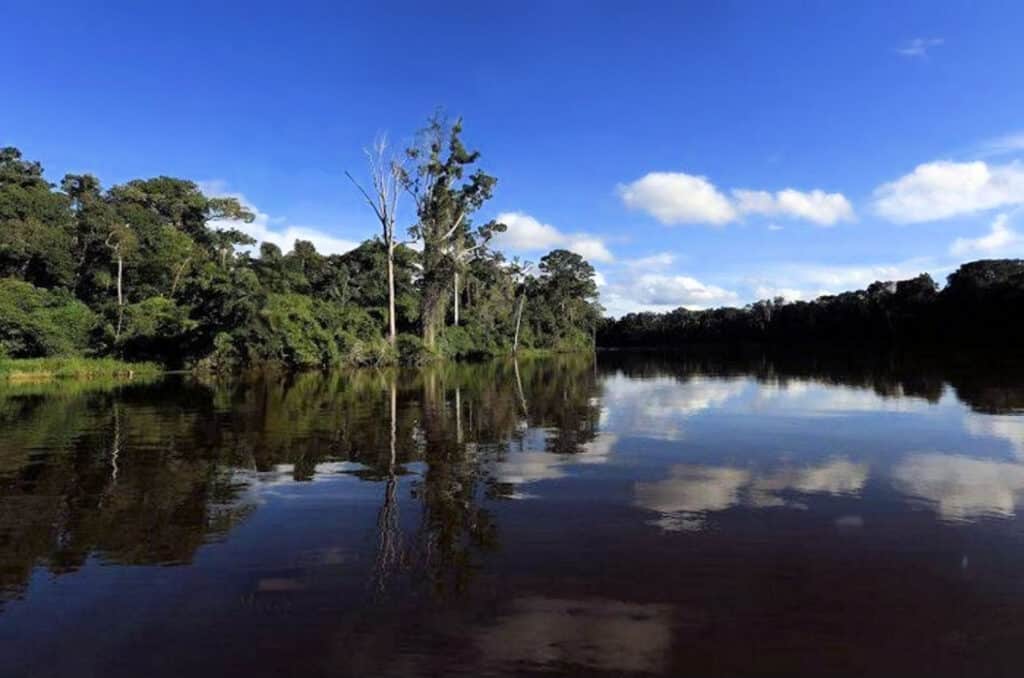
A sweeping bend in the Manu River surrounded by dense Amazon rainforest in the Manu National Reserve, Peru

Why Manu National Park Stands Out in the Amazon

The architecture of Arequipa is a showcase of colonial grandeur, prominently featuring the use of sillar, a pearly white volcanic stone that gives the city its nickname, “The White City.” Visitors are captivated by majestic structures like the Basilica Cathedral of Arequipa, which dominates the Plaza de Armas with its intricate façade and twin bell towers. The surrounding colonial-era edifices, including the Compañía de Jesús church and the Monastery of Santa Catalina, offer a deep dive into the architectural prowess of the era.

A UNESCO World Heritage Site and Biosphere Reserve

The park stands out globally as one of the few reserves that protects a complete watershed free from hunting and logging. Its protected area grew to about 6,625 square miles (4.24 million acres) in 2009 (about 1.72 million hectares), strengthening its position as a conservation leader. The park plays a vital role in the Manu-Madidi Corridor — a 36,719-square-mile (23.5 million-acre) stretch of protected forests (about 9.51 million hectares) that connects with Bolivia’s Madidi National Park.

A haven for rare and endangered species

Manu provides a vital sanctuary for many threatened species.

Its residents include the jaguar (Panthera onca), black caiman (Melanosuchus niger), and giant river otter (Pteronura brasiliensis).

The park also protects the harpy eagle (Harpia harpyja), South America’s only bear species — the spectacled bear (Tremarctos ornatus), and the Amazonian tapir (Tapirus terrestris).

The healthy populations of large predators like jaguars, pumas, giant otters, and harpy eagles show the park’s pristine condition.

Strong conservation efforts have made Manu one of the last safe havens for these magnificent creatures.

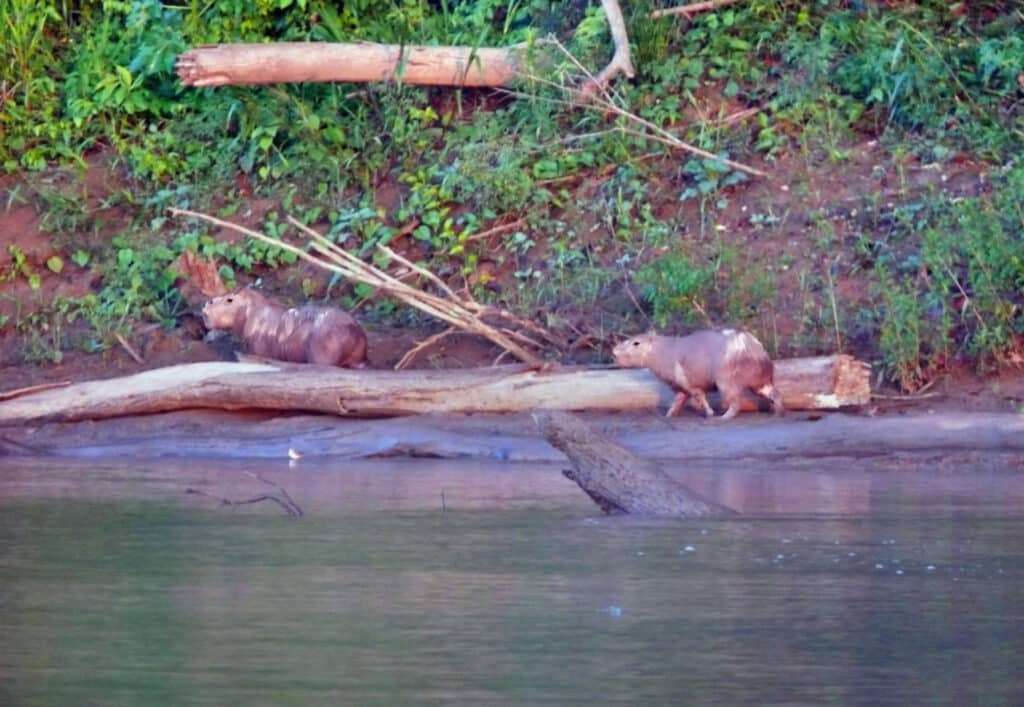
Two tapirs walking along the riverbank in Manu National Reserve, Madre de Dios, Peru

Top Attractions and Activities in Manu

Manu National Park beckons adventure seekers and nature lovers with its extraordinary experiences. Here are some of the remarkable attractions that make Manu an exceptional destination in 2026.

Tres Cruces Lookout: Sunrise over the Andes and Amazon

The Tres Cruces viewpoint sits about 12,140 feet (3,700 meters) above sea level and showcases a rare natural phenomenon found in just three locations worldwide. Visitors between May and August witness the enchanting “white dawn” – an optical illusion creates three suns rising at once. Clear skies during June and July provide the best views between 5:00-6:00 am. This natural balcony lets you take in the snow-capped Ausangate, cloud forests, and the big jungle canopy of Manu all at once.

Wildlife spotting and birdwatching tours

Manu stands among the world’s top birdwatching spots with over 1,000 bird species — 10% of all birds on Earth. Hundreds of species wake up at dawn in a chorus of calls.

Expert guides help spot special birds like Peru’s national bird the Andean Cock-of-the-Rock, along with quetzals, toucans, and hawks.

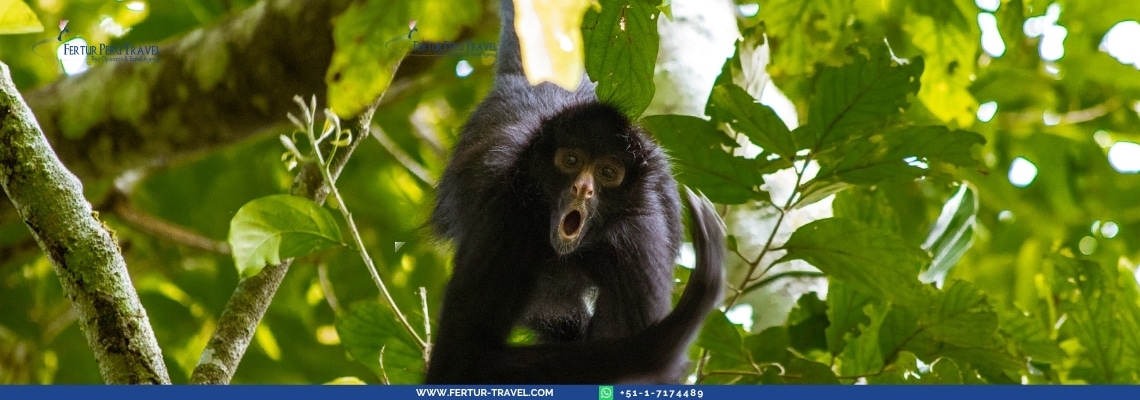
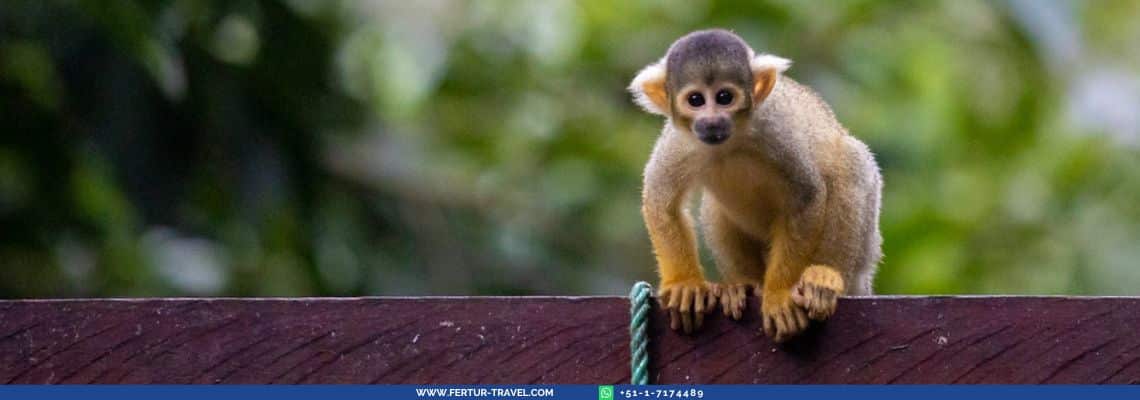
Patient wildlife watchers might spot monkeys, caimans, capybaras, and if lucky, jaguars.

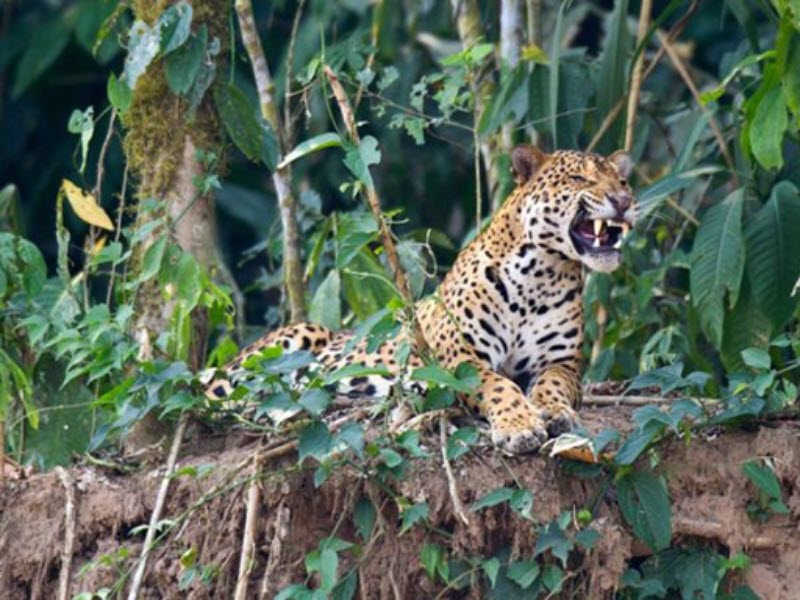
Jaguar spotted and photographed in the wild in Madre de Dios, Peru, by Jeff Cremer
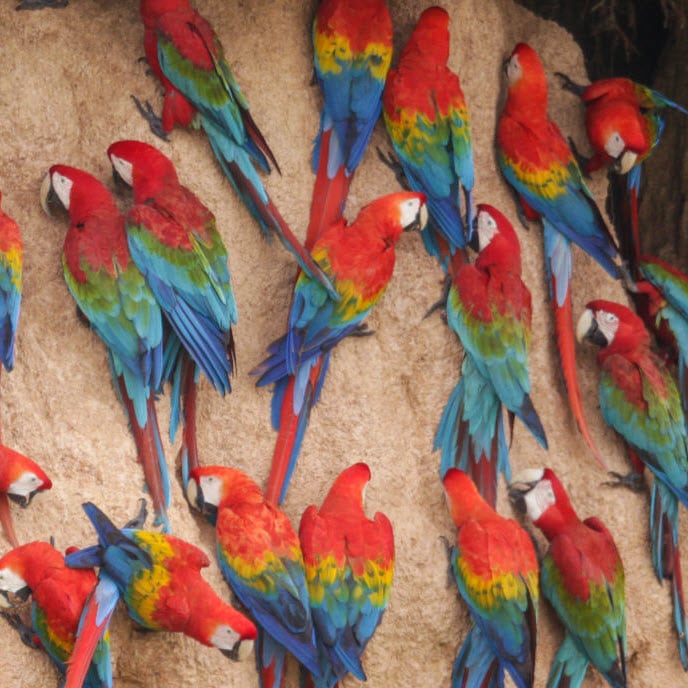
Scarlet macaws and blue-and-yellow macaws clustered at a clay lick riverbank in Tambopata, Peru

Clay Licks and Canopy Towers

Hundreds of colorful birds create an amazing spectacle at the macaw clay licks as they eat mineral-rich soil. These natural formations give birds essential sodium and help neutralize toxins from their food. Canopy towers bring you face-to-face with treetop creatures you’d rarely see from below.

River rafting in Kosñipata Valley

The Kosñipata River challenges rafters with Class II to V rapids suited for different skill levels. Mountain biking through misty cloud forests and short hikes into untouched jungle areas add more adventure options.

Cultural experiences in the local communities

The Matsigenka and Harakbut people teach visitors about living sustainably in the rainforest. Santa Rosa de Huacaria welcomes guests to join traditional fishing, farming, craft-making, and learn about medicinal plants. These meaningful exchanges help local communities while preserving their ancestral wisdom.

What to Pack and Prepare for Your Adventure

Essential Gear for Rainforest Travel

An internal frame backpack or duffel bag works better than rolling luggage on Manu’s terrain. Pack a reliable flashlight with extra batteries, a refillable water bottle, and plastic bags to keep belongings dry.

Clothing Tips for Humidity and Insects

Lightweight, quick-dry fabrics are vital since cotton might take three days to dry in Manu’s humidity. Choose loose-fitting, long-sleeved shirts and pants in neutral colors. Many lodges provide rubber boots, but you’ll need sturdy hiking boots for Andean sections.

Health and Safety Considerations

Use insect repellent with at least 35% DEET every two hours. Yellow fever shots are required, and you should also get vaccinations for tetanus, hepatitis, and influenza.

Photography and Wildlife Viewing Equipment

Quality binoculars will help you spot wildlife. Your camera should have telephoto capabilities and extra memory cards.

Keep equipment in waterproof cases. 

TIP:  Soft plastic “dry bags” might not be sufficient to protect your gear.  

Our friend, wildlife photographer Jeff Cremer, learned the hard way that so‑called “dry” bags are a bad idea in Peru’s Amazon rainforest.

On one of his early camera-trap setups near Manu, leaf-cutter ants shredded the plastic bags he used to cover his gear, carried the pieces back to their nest, and even chewed the rubber grips off his camera and tripod before heavy rain soaked everything.

His takeaway for anyone bringing expensive camera equipment to the jungle is simple: skip dry bags and similar soft plastic covers, and use tough, less-edible hard cases like Pelican-style boxes to keep your gear safe from both insects and moisture.

Tree frog clinging to a branch in the Amazon rainforest of the Manu National Reserve, Peru

Ready to Explore Manu?

Manu offers something for everyone who loves nature. You might catch the beautiful sunrise at Tres Cruces, watch some of the thousands of bird species, or spend time learning from local indigenous communities. Manu serves as nature’s own laboratory where life continues unchanged and shows us what Earth was like before humans came along.

Remember to bring quick-dry clothes, the right equipment, and take proper health precautions for your Amazon trip. The memories you make here will stay with you forever. These pristine wilderness areas become more valuable as similar places disappear around the world.

We think 2026 is the perfect year to visit this natural paradise. Better roads, responsible tourism, and stronger conservation efforts have made Manu more available while keeping its wild spirit alive. Unlike popular tourist spots, this park gives you a chance to find something new every time you turn a corner or follow a trail.

Start Planning Your Journey

Contact telephone numbers

Offices

cropped fertur favicon

Fertur-Travel