Huancayo Info

Home / Huancayo Info

Huancayo Information | Travel, Weather & Altitude

Huancayo Information is essential for planning a smooth and rewarding trip to Peru’s central Andes. Set at 10,726 ft. (3,270 m) in the Mantaro Valley, Huancayo offers a rich mix of highland culture, markets, festivals, and regional cuisine, but it also requires practical preparation for altitude, weather, and transportation.

Whether you are visiting for a few days or building Huancayo into a broader Peru itinerary, these basics will help you make the most of your time in the city and surrounding valley.

Huancayo's Location in the Central Andes

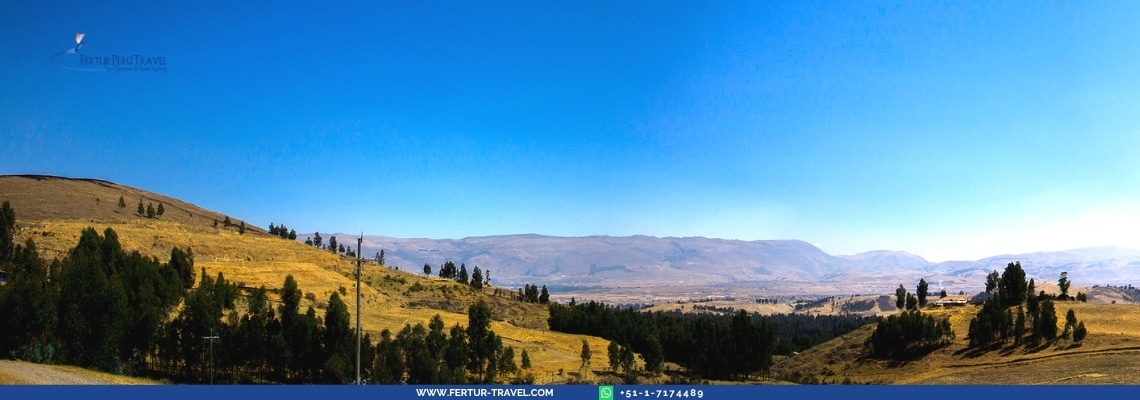
Huancayo sits in the Mantaro Valley at roughly 10,500 feet (3,200 meters) above sea level, in a part of the central Andes where geography helps explain nearly everything else: agriculture, trade, settlement patterns, and movement through the region.

The Mantaro River runs through this fertile corridor, and the valley has supported communities for centuries because it offers productive farmland in a highland setting.

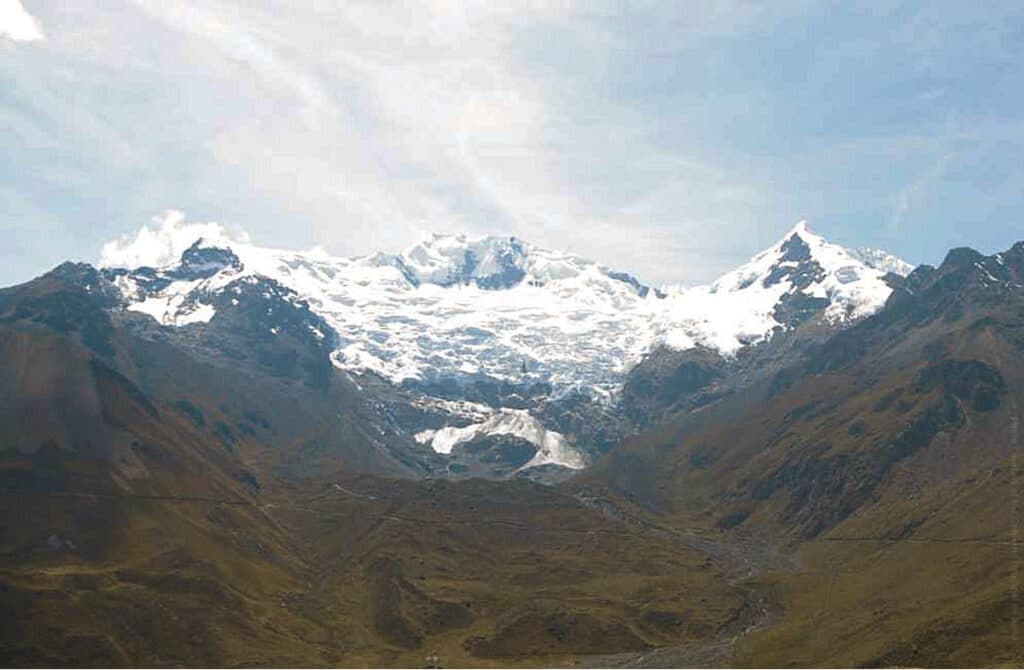
On clear days, Mt. Huaytapallana (18,924 feet / 5,768 meters) is visible to the northeast, about 15 miles (24 kilometers) away.

The mountain is an important glaciated landmark for the region and a defining feature of the valley’s horizon. It’s ice cap is the main source of fresh water for the Mantaro Valley, and like most tropical glaciers in Peru, it has been greatly impacted by global warming in recent decades.  Still, travelers who see it come away with a strong sense of how dominant Huaytapallana is in the surrounding landscape.

Nevado Huaytapallana, a snow-capped mountain range in the Junín Region of Peru, rising above a sweeping high-altitude valley covered in golden-brown grasslands, with glaciers cascading down its rocky slopes beneath a partly cloudy sky.

To book your Huancayo tours now or consult with us, fill out the “Contact Us” form and a Fertur Peru Travel coordinator will contact you within one working day with detailed information about your fully customizable trip.


Fertur Peru Travel’s pledge is to offer you top-quality, individualized attention that starts with the planning of your trip and continues through your journey to guarantee a great vacation.

Essential Information for your Huancayo Journey

  • Altitude: 3,270 mts / 10,726 ft. above sea level
  • Weather: dry with sunny days and cool nights
  • Temperature: 50 – 74 ºF – 10 – 24 ºC approximately
  • Rainy Season: December to March

Huancayo's Storied History

The valley also has deep historical significance. Long before Spanish colonization, the Huancas (or Wanka) controlled this territory and resisted Inca expansion before eventually being incorporated into the empire. The Qhapaq Ñan, the Inca road network, passed through this zone, reinforcing Huancayo’s long-standing role as a strategic crossroads.

Modern roads and rail infrastructure still reflect those older patterns. Huancayo remains a commercial and transportation hub in the central Andes, and many of the routes travelers use today follow corridors that have connected this region for generations.

Getting to Huancayo

By Bus (Most Common) Most travelers arrive from Lima by bus, a journey of approximately 6 to 8 hours through dramatic Andean scenery. Cruz del Sur and other reputable carriers operate direct services from Lima’s Javier Prado terminal. One-way fares typically range from S/.50 to S/.80 depending on class and booking date.

Bus travel has a practical advantage: the gradual ascent gives your body more time to adjust to the altitude than a flight would.

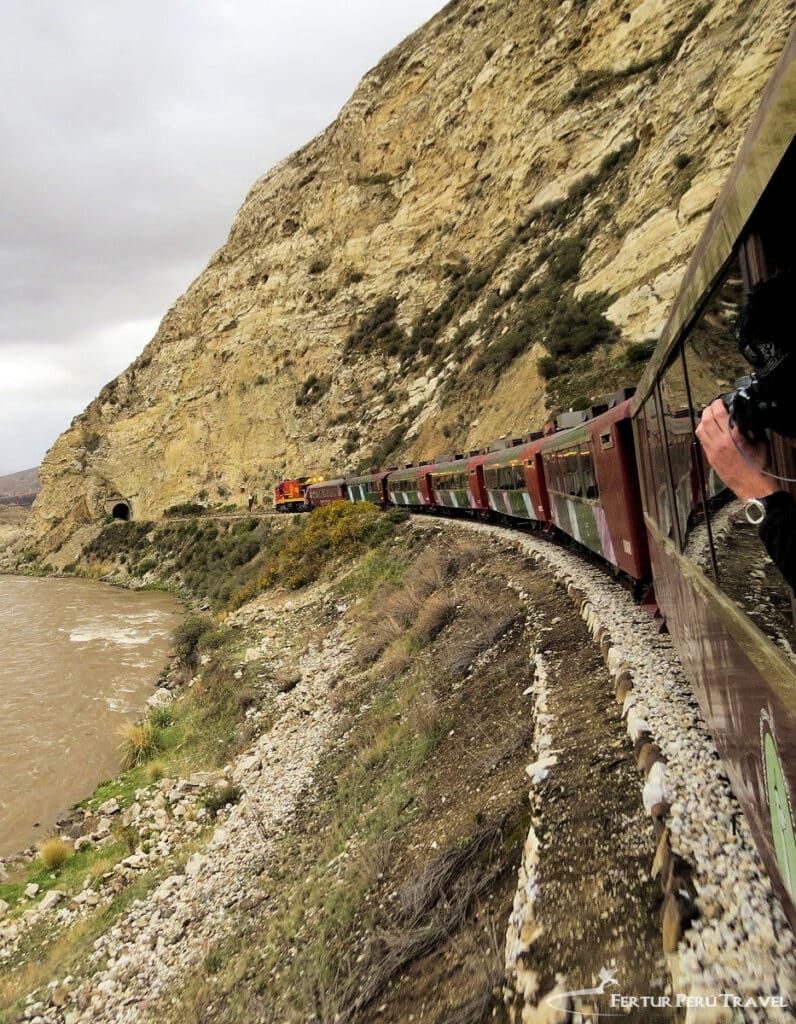
By Train (A Journey in Itself) The Ferrocarril Central Andino — the Central Andean Railway — is one of the world’s highest railways and one of the great train journeys in South America.

Tourist departures have been extremely limited since 2020.

The approximately 12-hour trip from Lima is unforgettable, climbing through gorges, tunnels, and switchbacks to a maximum elevation of 4,781 meters (15,681 ft.) at Galera Station. This is best experienced as an excursion rather than basic transport.

Via Jauja Airport Flights from Lima to Jauja (Francisco Carlé Airport) reduce travel time significantly.

From Jauja, Huancayo is about 50 kilometers away — roughly 1 to 2 hours by combi, taxi, or bus depending on traffic and availability.

Rainy Season Note: Roads in the central Andes can be affected by rain, landslides, and temporary closures between November and March. Build flexibility into your plans and book transportation early if traveling during festival periods.

A passenger leans out to photograph the Central Andean Railway as it winds along a cliff above the Rimac River en route to Huancayo, Peru — the world's second-highest railway reaching 15,681 ft. (4,781 m) at Galera Station.

Altitude & Acclimatization

At over 10,726 ft. (3,270 m), Huancayo is high enough that altitude sickness (soroche) is a real consideration, particularly for travelers arriving directly from sea level. Common symptoms include headache, fatigue, nausea, lightheadedness, shortness of breath, and disrupted sleep. These typically appear within the first few hours of arrival and may last one to two days.

Practical tips for acclimatizing:

  • Keep your first day light — no strenuous hikes or long excursions
  • Drink 3–4 liters of water per day; altitude increases water loss through breathing
  • Avoid alcohol for the first 48 hours
  • Try coca tea, widely available and traditionally used to ease altitude symptoms
  • Soroche pills are available at local pharmacies
  • If you have a heart or respiratory condition, consult your doctor before traveling to high elevation

Weather & When to Visit

Dry Season (May–September) is the most popular and practical time to visit. Days are typically clear and bright, with temperatures between 64–73°F (18–23°C). Nights are cold — sometimes below 41°F (5°C) — and frost can occur in the valley in June and July. This is also the best season for outdoor excursions, village visits, and day trips around the valley.

Wet Season (October–April) brings afternoon rain, particularly in January and February. Mornings are often clear, making early-start excursions still viable. Daytime temperatures remain comfortable at 59–68°F (15–20°C), and the valley turns strikingly green. Carnival (February) and Semana Santa (March or April) are vibrant times to visit despite the rain.

Whatever the season: Pack layers. Temperature swings of 25–35°F (15–20°C) between midday and midnight are common. A waterproof layer and warm fleece are essential regardless of when you travel.

Contact telephone numbers

Offices

cropped fertur favicon

Fertur-Travel