Inicio / Tambopata Info
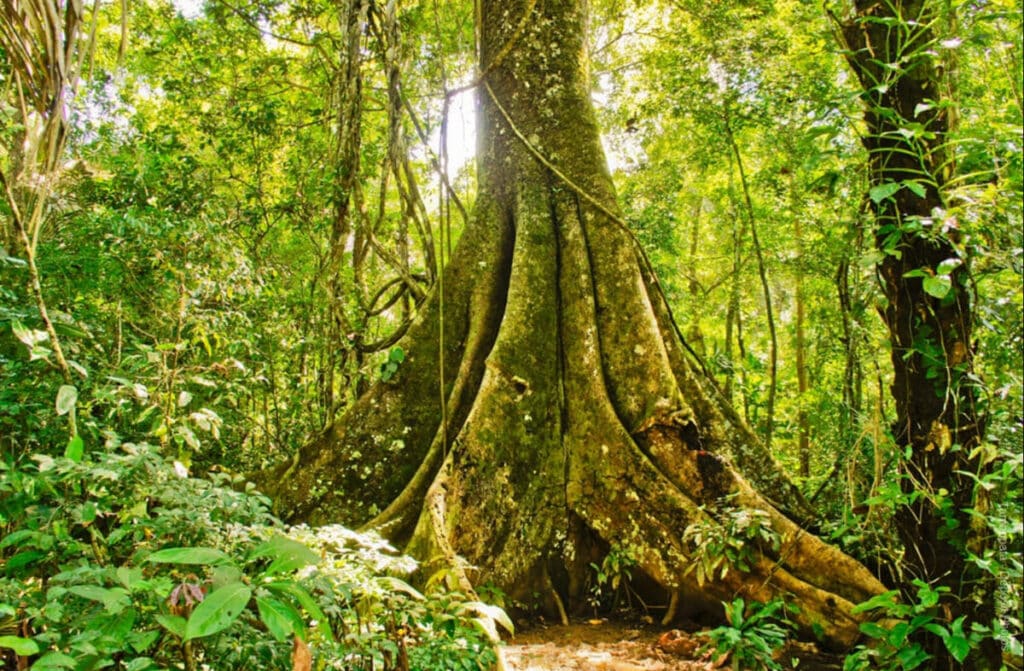
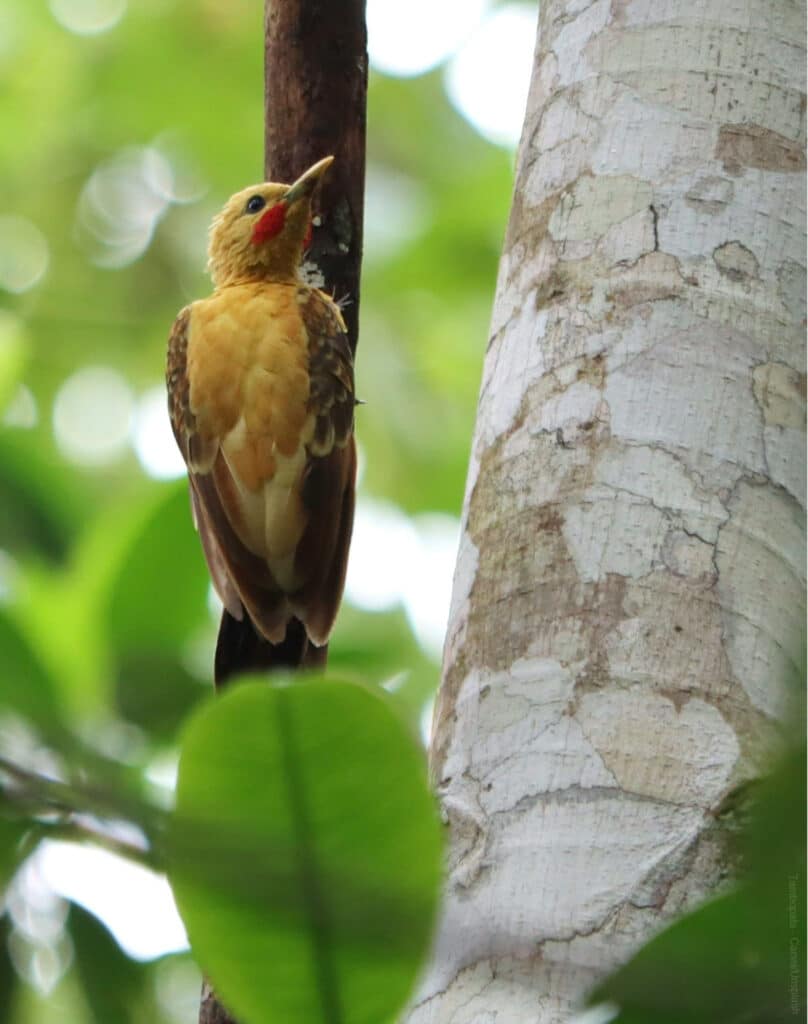
Tambopata is widely recognized as one of the most biodiverse regions in the Amazon, and one of the true highlights of southern Peru. In and around the reserve, scientists have recorded more than 1,200 plant species, over 600 bird species, and around 1,200 butterfly species.
Lake Sandoval’s mirror‑like oxbow lake covers roughly 125–127 hectares, and canopy towers at certain lodges open up sweeping views of the forest canopy.
seasonal wildlife rhythms, cultural context, and on‑the‑ground logistics that can transform a good trip into a genuinely memorable one.
In January 1990, the Peruvian government created the Tambopata‑Candamo Reserved Zone to safeguard one of the most biologically rich regions of the Amazon and to guide future land‑use planning. In the early 1990s, international and Peruvian scientists carried out rapid biological assessments in the upper Tambopata and surrounding valleys to document its flora and fauna and support decisions about long‑term protection.
These efforts highlighted the presence of jaguars, giant river otters, more than ten species of monkeys, black caiman, over 400 bird species, and vast tracts of rainforest with exceptional botanical diversity, which later underpinned the creation of Tambopata National Reserve and Bahuaja Sonene National Park.
Tambopata lies in Peru’s southeastern Madre de Dios region, where the eastern slopes of the Andes give way to the Amazon Basin. This transition zone creates a mosaic of habitats in a relatively compact area, which is one of the reasons biodiversity is so high here.
Within a few hours’ travel you move from riverine forest and floodplains toward slightly higher and drier forests, each supporting its own mix of plants and animals. Nutrients carried from the Andes enrich parts of the landscape and help sustain the dense vegetation that provides food and shelter for wildlife. Tambopata is also part of a wider network of protected areas and conservation corridors, so many species can still move through large, relatively intact tracts of forest.
The reserve is not completely cut off from development, but its protected status and distance from major urban centers mean that large areas remain surprisingly quiet. When a lodge emphasizes its isolation, it is usually reflecting real conditions on the ground — not just marketing language.
The rivers define how you experience Tambopata. The Tambopata, Madre de Dios, and Heath rivers, along with their tributaries, are the main transport routes, but they are also dynamic forces that shape soils, forests, and wildlife distribution.
Broad Amazonian rivers can act as natural boundaries for many land‑based animals, particularly smaller mammals and reptiles, and sometimes even for certain birds. Over long periods, this separation can lead to distinct populations on opposite banks, even if the differences are subtle to the casual visitor. Seasonal flooding lays down fresh sediments that enrich floodplain soils, while receding waters leave pools and channels that become breeding and feeding sites for frogs, fish, and birds.
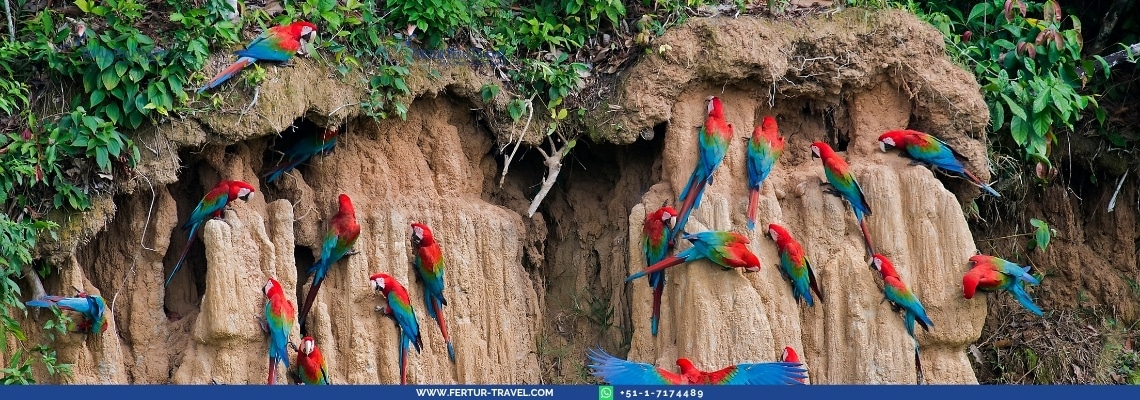
Many of Tambopata’s famous clay licks are exposed along riverbanks where erosion has revealed mineral‑rich layers of clay.
Macaws, parrots, and other animals visit these collpas to obtain sodium and other minerals that are scarce in their normal diets and to help process plant toxins.
Meandering channels also form oxbow lakes when old bends are cut off; lakes such as Sandoval and Tres Chimbadas are key habitats for giant river otters, caimans, and a wide array of waterbirds and fish.
For travelers, this means that boat journeys between lodges are not just transfers.
The rivers determine where trails can be opened, where wildlife hotspots occur, and how close you can get to particular habitats during different times of the year.
Most Fertur Peru Travel guests begin their Tambopata adventure by flying to Puerto Maldonado and then continuing by road and boat to their lodge. Depending on your lodge’s location and river levels, the total transfer time typically ranges from about one to three hours.
A detail that often surprises first‑time visitors is the luggage limit. Many lodges request that guests bring only 10–15 kg per person on the boat, with options to leave extra belongings in secure storage in Puerto Maldonado. If you prefer to travel with more equipment—camera gear, for example—we work with you to organize storage and clarify any extra charges in advance, so nothing comes as a surprise.
Transfers between different lodges or more remote sectors can add to the overall cost of a trip, and prices tend to be higher in peak months such as June to August. Some programs include conservation or entrance fees in the package price, while others list them separately, so we always make sure you know what is and is not covered before you confirm.
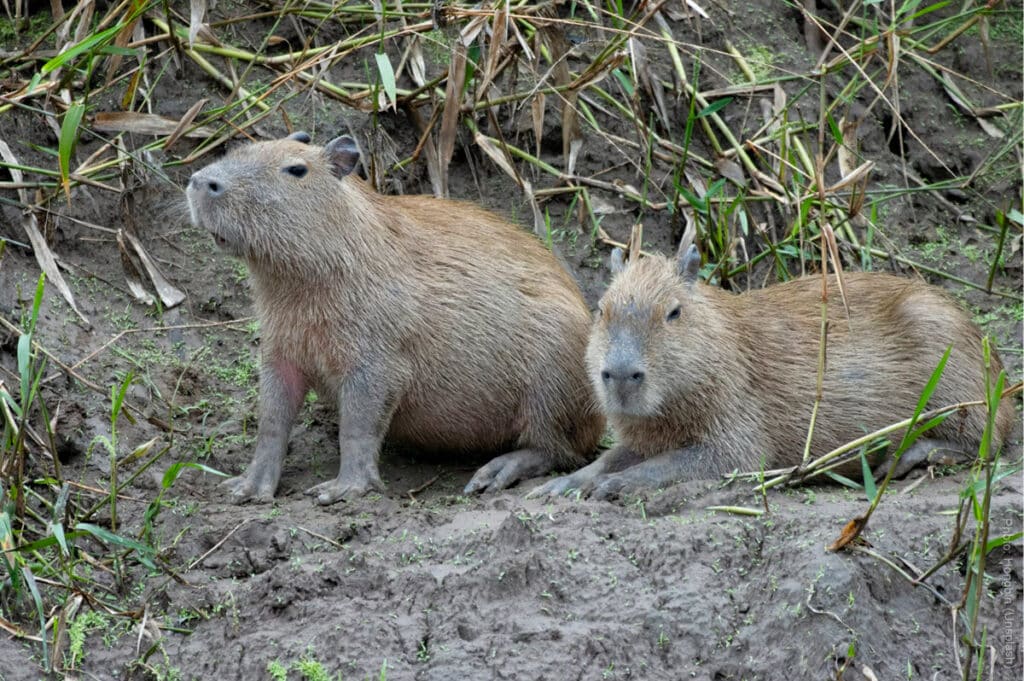
On the river, you have excellent chances to see capybaras, caimans, and a variety of birdlife along the banks, especially at quieter times of day. During very low water, sandbars and shallow sections can extend travel times, and occasionally a short walk is needed to reach a lighter boat. We factor these seasonal variations into the timing of your itinerary and advise you realistically about what to expect.
Different approaches from Puerto Maldonado highlight different facets of the ecosystem. Routes along the Tambopata River give direct access to the reserve and its macaw clay licks, while the Madre de Dios tends to offer broader channels and slightly gentler navigation. Lake Sandoval programs combine a river trip with a walk into a protected oxbow lake, where giant river otters and lake‑edge birdlife are often a focus from the very first day.
Most overviews describe Tambopata in terms of a wetter season (roughly November to April) and a drier season (May to October).
Temperatures are warm throughout the year, with occasional cool “friaje” fronts that can briefly lower temperatures, especially at night. Within this simple framework, there are nuances that are useful when you are choosing dates.
Many local guides and lodge operators point to May and September as particularly attractive “shoulder” periods.
In May, the rains usually begin to ease, forest trails become more manageable, and the vegetation still looks especially lush.
In September, you often get a good balance of wildlife activity, relatively stable weather, and somewhat fewer visitors than in peak winter holiday months.
From June to August, conditions are typically driest, which makes logistics and trail access straightforward; not surprisingly, these months also see the highest overall demand and pricing.
The rainiest period, usually around January to March, can mean muddier paths and occasional adjustments to daily programs, but it also brings very vivid greens, dramatic cloud formations, and intense bird and insect soundscapes that some travelers consider a highlight rather than a drawback.
If you have specific wildlife goals — macaws at clay licks, certain primate species, or a stronger emphasis on amphibians and nocturnal life — we will discuss how these patterns shift over the year before we recommend dates.
That way your expectations match the season you choose.

Prices available upon request
Contact telephone numbers
Offices