Manu Info

Home / Manu Info

Manu National Park Travel Overview

Manu is a rare place where you can travel from high Andes to lowland jungle in one journey—an unmatched slice of Peru and the Amazon Rainforest. Use this page to plan timing, routes, access rules, and packing—then jump to Manu Highlights for what to do, and Manu Maps for route visuals.

 
1200
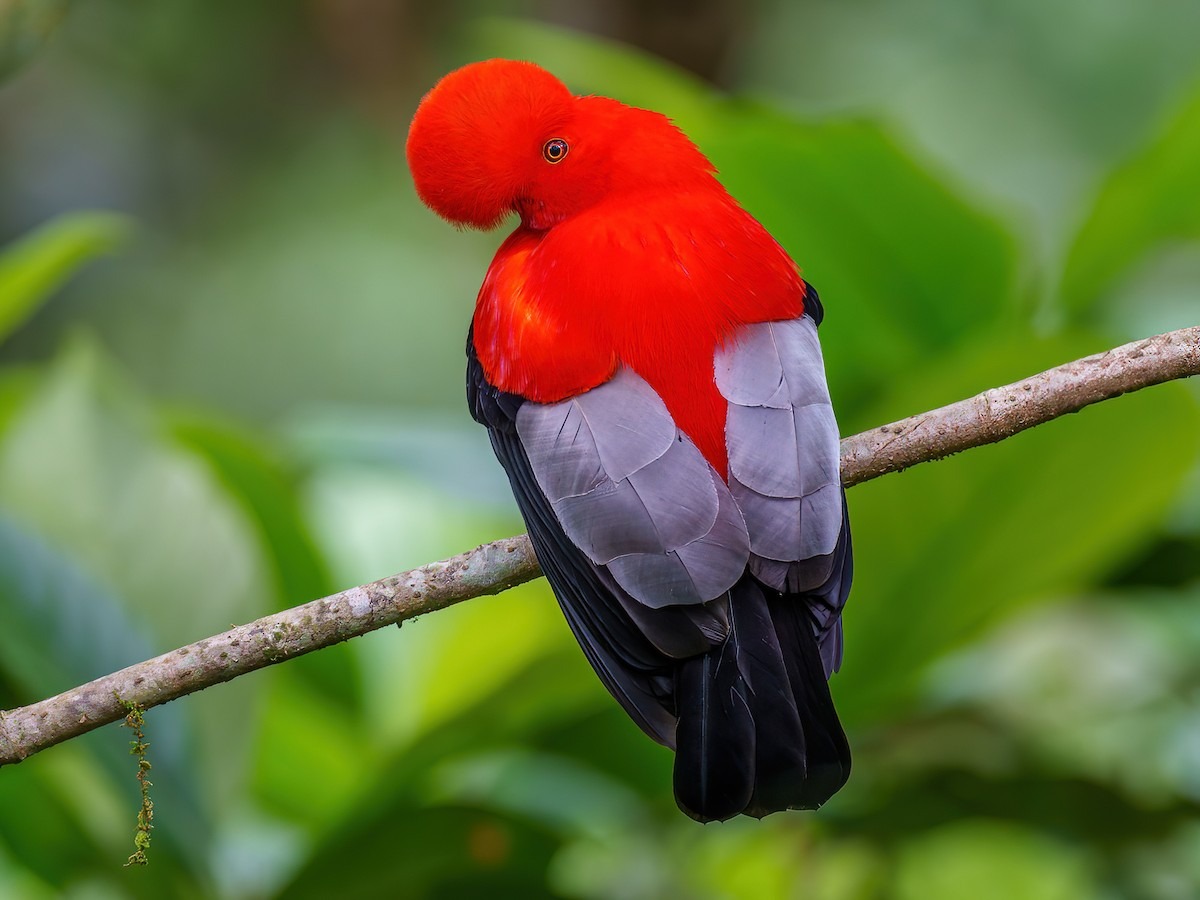
The national bird of Peru is Andean cock-of-the-rock

Why Manu is different

Biodiversity and altitude in one protected area

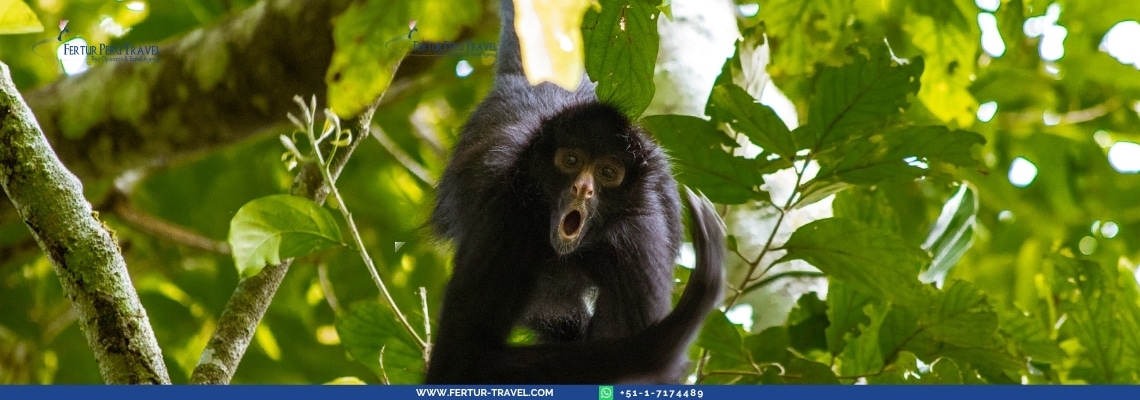
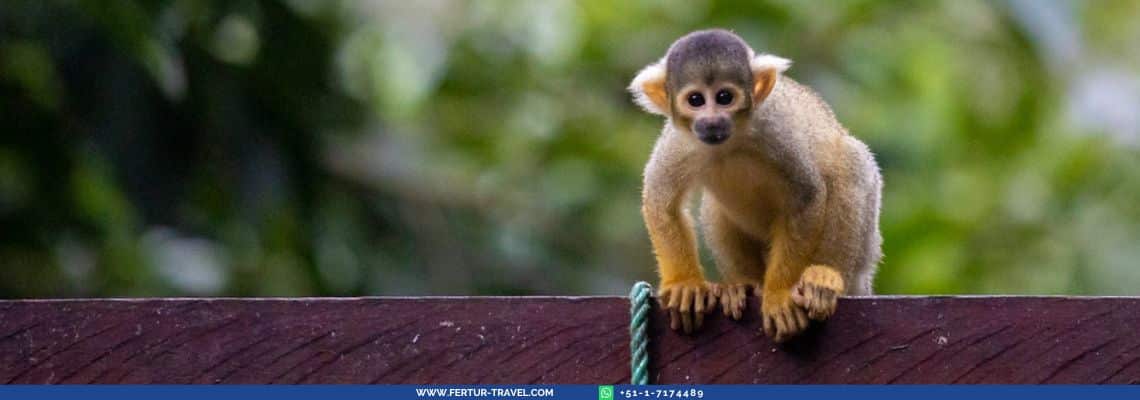
Manu spans roughly 490 feet (150 meters) up to 13,780 feet (4,200 meters), creating multiple habitats that support exceptional wildlife and plant life—including reported totals of 1,000+ bird species and hundreds of mammals.

International protection and conservation importance

Manu is recognized internationally by UNESCO and is managed with strict protections that help shield habitats from pressures like deforestation and illegal extraction.

How to get to Manu

Route from Cusco

Most trips travel overland via Paucartambo, cross Acjanaco Pass, descend through Kosñipata Valley, and reach Atalaya before continuing by boat along the Alto Madre de Dios River.

Route from Puerto Maldonado

Some itineraries approach via highway segments and river connections, often involving the Inambari River and then travel by boat on the Madre de Dios River depending on the program design.

Best time to visit

Dry season

May–October typically offers easier travel conditions, clearer skies, and more reliable logistics.

Rainy season

November–April brings greener landscapes but can mean muddy trails, higher rivers, and occasional access constraints.

Park zones and access

Cultural Zone

Most visitor-friendly area and the base for many standard itineraries.

Reserved Zone

More regulated access; typically requires permits and licensed guiding.

Core Zone

Strictly protected; generally limited to research and conservation.

Choosing the right tour length

3–4 days

Often focuses on the Cultural Zone and key rainforest experiences.

5–8 days

Typically allows deeper travel (often involving Reserved Zone access, where permitted).

What to pack and prepare

Gear

Duffel or internal-frame backpack, dry bags, headlamp, rain cover, refillable bottle.

Clothing

Quick-dry layers, long sleeves/pants for insects, sturdy footwear for mixed terrain.

Health and safety

Bring insect repellent and a basic first-aid kit; ask a travel clinic about vaccines commonly recommended for Amazon travel.

Binoculars and camera

Binoculars matter as much as a camera here; protect electronics in waterproof cases and pack spare batteries.

Nearby protected-forest context

Manu is also discussed as part of broader conservation landscapes that connect toward Bolivia, including adjacent protected areas such as Madidi National Park.

Contact telephone numbers

Offices

cropped fertur favicon

Fertur-Travel