Huaraz Maps

Home / Huaraz Info / Huaraz Maps

Huaraz & Cordillera Blanca: Maps & Geography

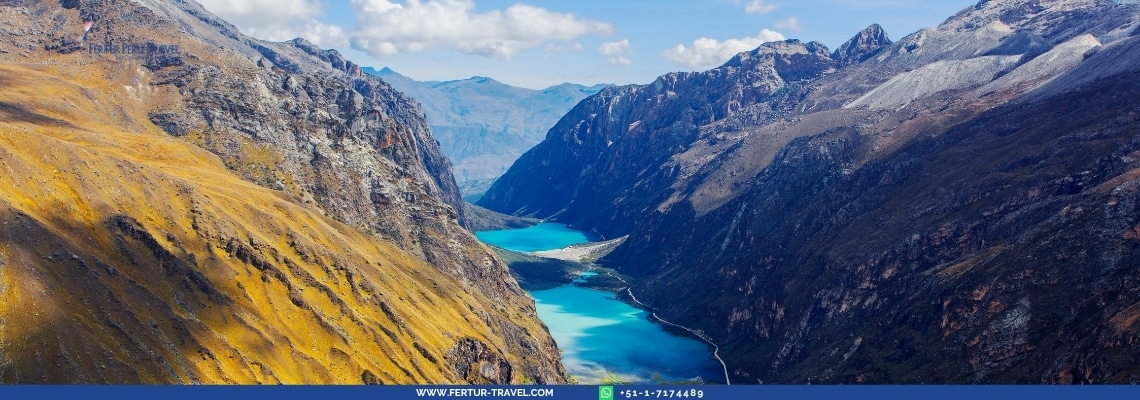
Situated at 3,091 meters (10,141 feet) above sea level in the Callejón de Huaylas valley, Huaraz serves as the gateway to the Cordillera Blanca—the world’s highest tropical mountain range. Understanding the geography of this spectacular region will help you plan your adventure through Peru’s premier trekking and mountaineering destination.

Huaraz, capital of the Áncash department, lies approximately 420 kilometers (260 miles) north of Lima in north-central Peru. The city occupies a dramatic position in the Callejón de Huaylas, a fertile valley carved between two parallel mountain ranges: the snow-covered Cordillera Blanca to the east and the lower, rocky Cordillera Negra to the west.

This strategic location has made Huaraz Peru’s undisputed adventure capital, attracting mountaineers, trekkers, and outdoor enthusiasts from around the world. The Cordillera Blanca contains Peru’s highest peaks, including Mount Huascarán at 6,768 meters (22,204 feet)—the tallest mountain in Peru and the entire tropical zone. In fact, more than 30 peaks in the range exceed 6,000 meters (19,685 feet), creating one of the world’s most concentrated collections of high-altitude summits outside the Himalayas.

The valley’s altitude, combined with its location in the tropical zone, creates unique conditions: glaciated peaks rising directly from verdant valleys, extreme temperature variations between day and night, and weather patterns that shift rapidly. These factors make proper planning essential for any visit.

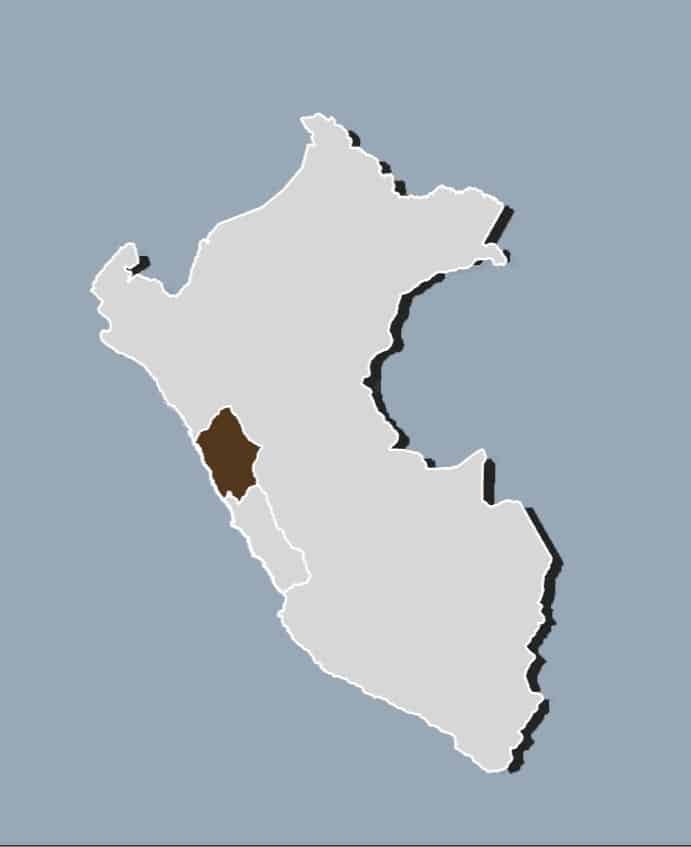
Outline map of Peru with the Ancash region highlighted in brown, located on the west-central side of the country.

To book your Huaraz tours now or consult with us, fill out the “Contact Us” form and a Fertur Peru Travel coordinator will contact you within one working day with detailed information about your fully customizable trip.


Fertur Peru Travel’s pledge is to offer you top-quality, individualized attention that starts with the planning of your trip and continues through your journey to guarantee a great vacation.

Huaraz in Peru: Heart of the Cordillera Blanca

Mapa turístico de la región Áncash, Perú, que muestra la ciudad de Huaraz y seis destinos principales: el Nevado Huascarán, el Nevado Alpamayo, el Nevado Yerupajá, el complejo arqueológico de Chavín de Huantar, el templo de Sechín y la Ciudad Sagrada de Caral, junto con el Parque Nacional Huascarán y la Zona Reservada de la Cordillera Huayhuash.

This strategic location has made Huaraz Peru’s undisputed adventure capital, attracting mountaineers, trekkers, and outdoor enthusiasts from around the world. The Cordillera Blanca contains Peru’s highest peaks, including Mount Huascarán at 6,768 meters (22,204 feet)—the tallest mountain in Peru and the entire tropical zone. In fact, more than 30 peaks in the range exceed 6,000 meters (19,685 feet), creating one of the world’s most concentrated collections of high-altitude summits outside the Himalayas.

Access from Lima: Gateway to the Andes

Huaraz’s relative proximity to Lima makes it one of the most accessible high-mountain destinations in South America, reachable by both road and air within a single day from Peru’s capital.

Air Access

The fastest route to Huaraz is via Comandante FAP Germán Arias Graziani Airport, located just outside the city. LATAM operates flights six days a week (Monday through Friday) from Lima to Huaraz, with the journey taking approximately 50 minutes.

The flights offer spectacular aerial views of the Cordillera Blanca’s glaciated peaks, providing your first glimpse of the dramatic landscape you’ll soon explore. Flight availability can be limited during peak season (May-September), so book well in advance.

Overland Routes

The overland journey from Lima to Huaraz covers approximately 400-420 kilometers (250-260 miles) via the Panamericana Norte and requires 7-9 hours depending on road conditions and stops. Multiple bus companies operate comfortable overnight and daytime services, with the route climbing dramatically from sea level in Lima to over 4,000 meters (13,123 feet) at the Conococha Pass before descending into the Callejón de Huaylas.

The daytime journey offers spectacular scenery as the road ascends through coastal desert, climbs into the Andes, crosses the high puna grasslands, and finally descends into the valley. Many travelers prefer overnight buses to maximize time in Huaraz, though daytime travel provides better views and may help with altitude acclimatization.

Coastal Connections

Travelers can also reach Huaraz via the northern coastal route through Casma or Chimbote, particularly useful for those combining beach destinations with mountain adventures. These routes are shorter in distance but involve steeper, more winding mountain roads. The Casma route (150 kilometers/93 miles, 4-5 hours) offers dramatic scenery as it ascends directly from the Pacific coast into the Andes.

Illustrated tourist map of the Callejón de Huaylas valley in Ancash, Peru, showing road routes connecting major towns including Huaraz, Caraz, Yungay, Carhuaz, Recuay, and Chimbote, with illustrated medallions highlighting key attractions such as Huascarán National Park, Laguna Llanganuco, Laguna Parón, Chavín de Huantar, and the Pastoruri Glacier, along the Pacific coast corridor.

Explore Huaraz Tour Packages

Contact telephone numbers

Offices

cropped fertur favicon

Fertur-Travel