The best time to visit Cusco depends on what matters most to you — clear…

Solo Female Travel to Peru: Safety Guide
We listen closely to women who do solo female travel to Peru with us and who share their stories. Their message is remarkably consistent: Peru is not just doable as a solo woman – it’s welcoming, manageable, and deeply rewarding.
Below is a synthesis of what they’ve told us, in their own words where noted, plus practical takeaways for women planning a solo travel Peru itinerary.
Quick Safety Snapshot
- Overall safety: Manageable with street smarts. Most crime is opportunistic, not targeted.
- Safest areas for solo women: Miraflores (Lima), Barranco (Lima), Cusco center, Arequipa, Sacred Valley.
- Top risks: Pickpocketing in markets and bus terminals; unsolicited street attention; phone theft; altitude sickness above 3,400 m.
- Transport rule: Never hail a street cab at night. Use Yango, Cabify, or pre-arranged agency transfers only.
- Must-prebook: Machu Picchu entry tickets, Inca Trail permits, trains to Aguas Calientes, Nazca Lines flights.
- Emergency numbers: National Police 105 · Ambulance 106 · Tourist Police (Lima) (01) 460-1060
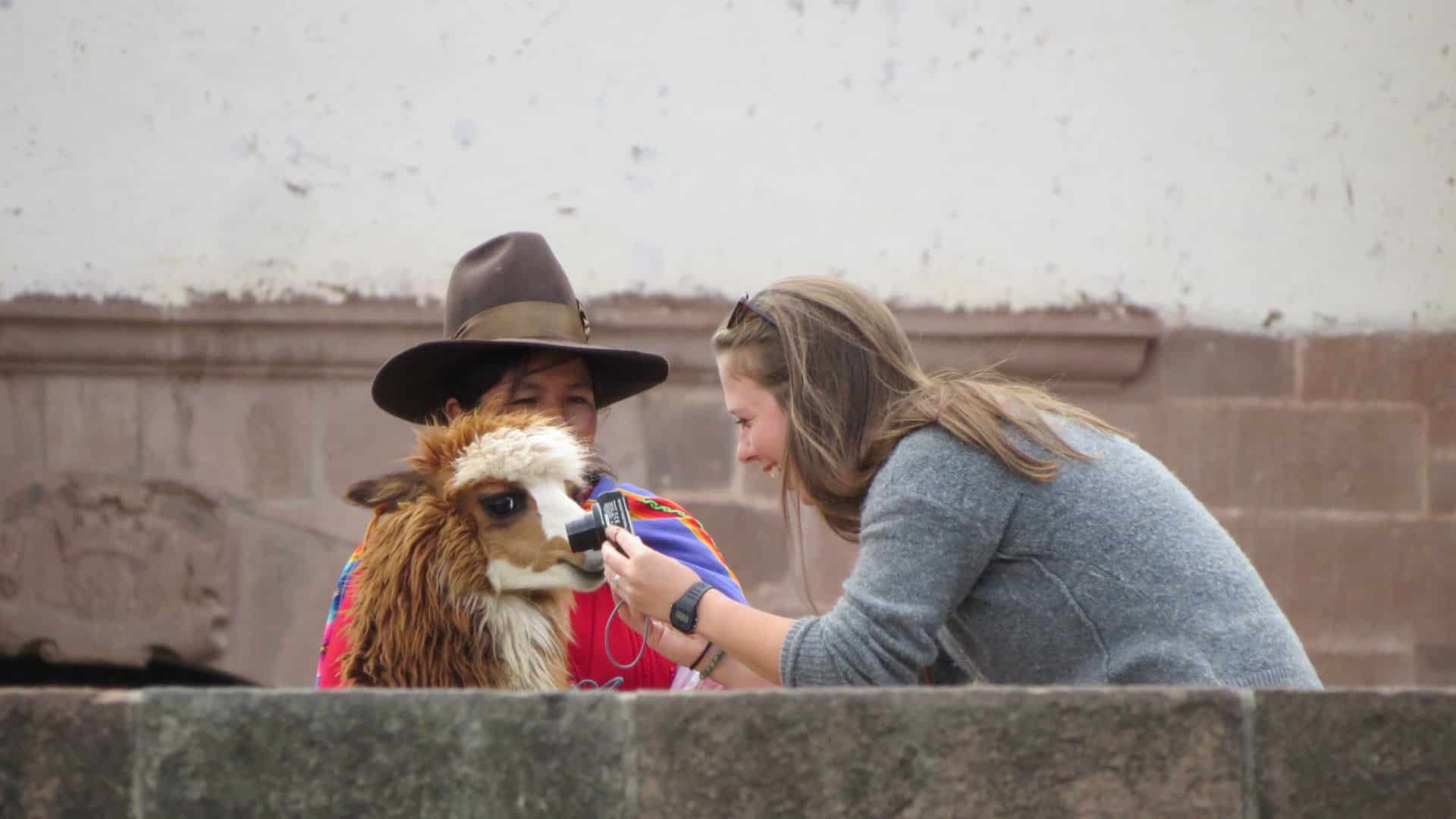
Is Peru Safe for Solo Female Travelers in 2026?
The honest answer: yes — with preparation. Women who travel Peru solo consistently report that the country feels safer on the ground than official government advisories suggest. The key is understanding where risk exists, not whether it exists at all.
Most crime targeting tourists is opportunistic — a grabbed phone, a snatched bag, a distraction scam — rather than violent or premeditated. Sexual harassment (known locally as piropos) is a real cultural adjustment, particularly outside tourist zones, but the majority of women find it manageable with clear boundaries and a few rehearsed responses.
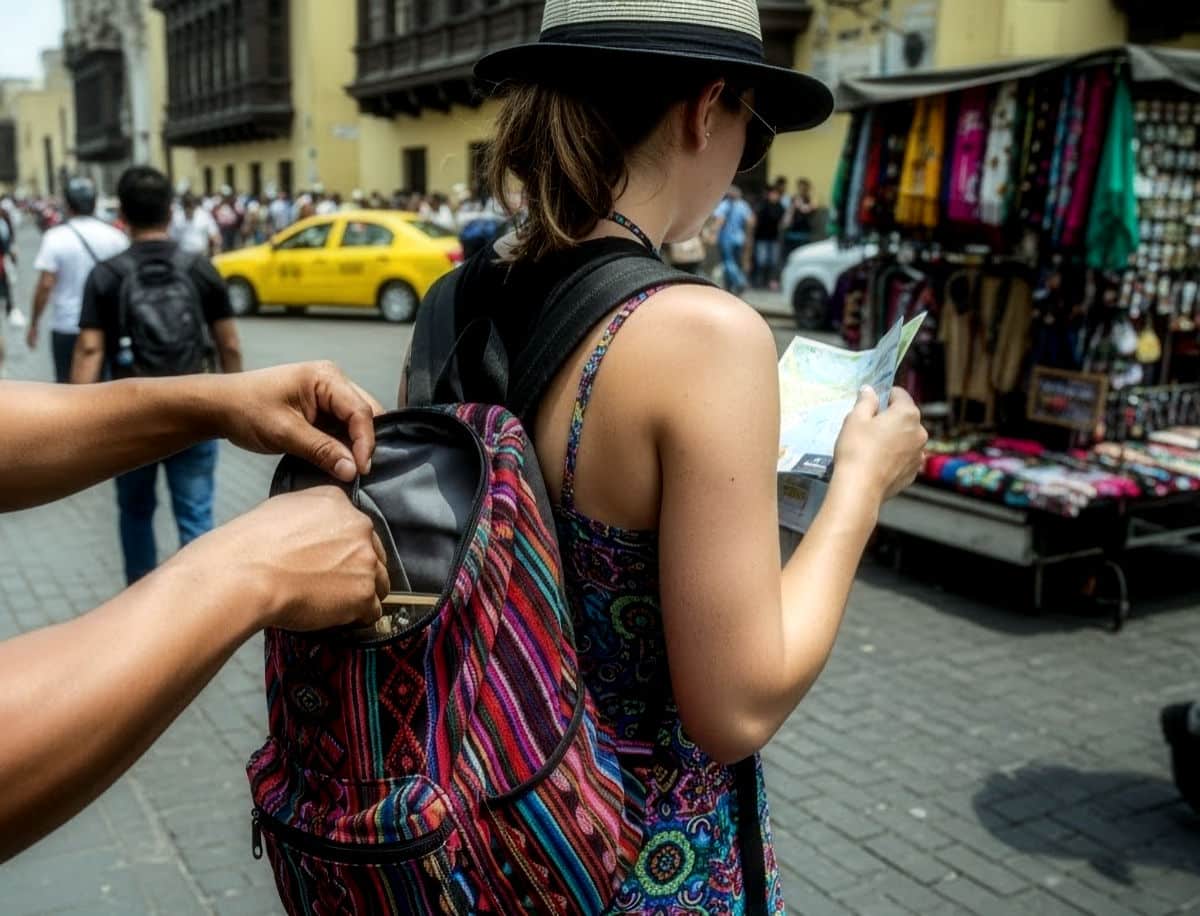
Safety is highly context-specific. Neighborhood, time of day, and how conspicuous you look as a tourist all matter more than the country’s headline reputation. Miraflores in Lima at noon feels worlds apart from Lima’s centro histórico at midnight.
The basics that make the biggest difference for Solo Female Travel to Peru
- Transport: Use Yango, Cabify, or agency-arranged transfers — never flag a random cab, especially after dark.
- Accommodation: Choose properties with locked entrances, staff who screen visitors, and the option to arrange airport pickups.
- Language: Spanish helps, but English and a translation app get most women through. A handful of key phrases is often all you need.
- Valuables: Cross-body bag worn at the front, phone out of sight in markets, cash split across multiple hiding spots.
- Advisories: Check your government’s travel advisory and local news before visiting remote regions on your own — the situation in border areas can shift.
Why Women Are Choosing Peru for Solo Travel
Peru keeps appearing on solo-female bucket lists for good reason: it packs an extraordinary range of experiences — Machu Picchu, the Andes, the Amazon, the Pacific coast, world-class food — into one country. But the deeper pull, as many women describe it, is control over the pace.
Traveling alone means lingering an extra day in Cusco, tacking on Arequipa on a whim, or swapping a generic jungle package for a community ecolodge. Several women chose to travel alone specifically to avoid rushed group itineraries and to see Peru entirely on their own terms.
“I often travel solo. Peru has so far been the safest country I’ve visited — with Fertur’s wonderful organisation and the usual common sense for women travelling alone.”
Finding Community Without Losing Independence
Peru’s tourist infrastructure is more sociable than many solo women expect. Some estimate that up to half the solo travelers they encountered were female. You’re rarely truly alone unless you want to be.
- Boutique hotels and guesthouses create natural meeting points at breakfast and in common rooms.
- Day tours — Rainbow Mountain, Colca Canyon, the Ballestas Islands — provide instant companions for the day while leaving evenings free.
- Walking tours in Cusco and Lima are a low-commitment way to meet other travelers and get safety tips from local guides in one go.
Fellow travelers — especially other solo women — are quick to offer help, join for dinner, or pair up for treks. Saying “I’m doing my own thing today” is equally easy.
Solo Female Travel to Peru Planning, Logistics & Money
Prebook the big-ticket items
Solo women who travel Peru happily tend to be strategic planners. To reduce stress, they commonly:
- Prebook Machu Picchu entry tickets (sell out weeks in advance, especially in high season)
- Secure Inca Trail permits months ahead through a licensed agency
- Book Peru Rail or Inca Rail trains to Aguas Calientes early
- Reserve Nazca Lines flights and Lake Titicaca ferry slots for peak dates
For transport, LATAM Airlines and long-distance bus company Cruz del Sur are consistently recommended for safety and reliability.
Cash, cards & ATMs
- Carry both cash (USD and Peruvian Soles) and at least two cards.
- ATM withdrawal limits can be low — plan for S/700–1,000 per transaction.
- Stash a backup card and emergency cash separately from your main wallet.
Travel insurance
Travel insurance came up again and again as non-negotiable, especially for women concerned about medical emergencies, missed connections, and evacuation from remote trekking or jungle areas.
At Fertur Peru Travel we strongly encourage comprehensive insurance for any Peru trip, but we do not promote specific carriers.
That choice is personal and should match your own risk tolerance and coverage needs.
Budget, Dining & Everyday Costs
Peru is consistently described as excellent value for solo travelers.
| Item | Typical Cost |
|---|---|
| Local market meal | US$2–3 |
| Budget hostel or hotel | US$15–40/night |
| Mid-range restaurant | US$8–18/person |
| Day tour (group) | US$20–60 |
| Cuy (guinea pig, special occasion) | S/60–100 |
Health, Altitude & Food Safety for Women Traveling Solo
Altitude sickness is the most commonly reported physical challenge. Cusco sits at 3,400 m and Puno at 3,800 m — both high enough to cause headaches, fatigue, and nausea in unprepared visitors.
- Plan 1–2 acclimatization days on arrival in Cusco or Puno before any strenuous activity.
- Standard kit: aspirin or ibuprofen, coca tea (widely available and effective), plenty of water, no heavy alcohol in the first 48 hours.
- Pharmacies in Cusco, Puno, and Lima are accessible and affordable for minor ailments.
Food & water
“One thing I’d suggest: don’t eat raw vegetables or fruits unless they can be peeled. I got super sick once. As a solo woman, you don’t want to be stuck in a hotel room throwing up.”
- Drink bottled or filtered water only.
- Choose freshly cooked food from busy, well-patronised establishments.
- Most women report only mild stomach upsets, if any, when they ease into local food sensibly.
Cultural Challenges Solo Women Commonly Face — and How to Handle Them
Beyond logistics and safety, Peru presents a set of gender-norm challenges that require some adjustment. Most women find them manageable — and many describe navigating them as ultimately empowering.
Street attention & piropos
Expect more public attention than at home: stares, greetings, and unsolicited comments from men, especially outside tourist zones.
“The attention from men surprised me. In markets and parks people wanted to talk — sometimes it was compliments, sometimes just curiosity about why I was traveling alone.”
“In the market, older men tried to bargain for my attention as much as for souvenirs. I laughed, kept distance, and was firm in saying no.”
“The best advice I got was to ignore most advances and stick to clear, direct answers. Once people realized you were confident, the curiosity faded.”

Traditional machismo can translate into the assumption that a solo woman is “looking for company,” particularly in bars or nightlife areas. Clear, confident boundaries work well — a direct “no,” mentioning a real or invented husband or boyfriend, or simply ignoring persistent attention.
“Several times, taxi drivers asked if I was married or why I didn’t have a companion. I learned to answer that my husband was waiting for me at the hotel, which ended the conversation politely.”
“Some locals thought it was strange for a woman to travel solo — taxi drivers kept asking about my family, and a street vendor commented that my husband must be brave to let me go!”
These are exactly the kinds of comments many solo women hear in Peru; having a brief, confident answer about a partner or friends nearby usually closes the conversation quickly.
Hospitality & invitations
Peruvians are famously generous hosts. Invitations to join family meals are genuine and warm.
“I was invited to join for meals by local families. It was friendly, but I didn’t always feel safe. I found ways to politely refuse, saying I was tired or had other plans.”
Simple polite refusals (“I’m tired,” “I already have plans”) are enough; hosts almost always accept them graciously.
Key Spanish phrases that help
“I didn’t know much Spanish, so I used Google Translate. It helped a lot when someone was pushy or insistent, even just to say I was busy and couldn’t talk.”
Even basic use of translation apps can make it easier to set boundaries without needing fluent Spanish.
| Spanish | Use it when… |
|---|---|
| No estoy interesada. | Declining attention firmly |
| Voy a encontrar a mis amigos. | Excusing yourself from a situation |
| Estoy bien, gracias. | Closing down unsolicited help |
| Mi esposo me espera en el hotel. | Deflecting personal questions from drivers or vendors |
| Necesito ayuda, por favor. | Asking for help urgently |
What to Pack — and What Not to Wear — as a Solo Woman in Peru
Pack these
- Cross-body bag with zip closure
- Money belt or hidden cash pouch
- Lightweight long trousers (multiple pairs)
- Scarves and wraps for layering and modesty in highland towns
- Sturdy closed-toe walking shoes
- Ibuprofen or aspirin for altitude headaches
- Small padlock for hostel lockers
- Offline maps downloaded before arrival (Maps.me or Google Maps)
- Layers for dramatic jungle-to-altitude temperature swings
Leave these behind (or save for beach and resort stays)
- Flashy jewelry or expensive watches
- Shorts and mini skirts in rural Andean towns
- Tight or low-cut tops outside coastal cities
- Backpacks worn on your back in crowded markets
- Phone held in hand while walking busy streets
- All cash in one wallet
Dress codes are most conservative in small highland towns and rural communities. In Lima’s Miraflores and Barranco, or Cusco’s tourist center, casual dress is completely normal.
“In small towns, I felt more comfortable wearing long pants and loose sweaters. Shorts attracted too much attention and comments from men and older women.”
Many women report that modest, looser clothing in highland villages noticeably reduces comments and stares.
Sample 7–10 Day Solo Female Peru Itinerary
These are flexible frameworks, not fixed packages. The order is designed to ease you into altitude gradually.
| Days | Destination | Key Notes |
|---|---|---|
| 1–2 | Lima — Miraflores & Barranco | Arrive and settle in. Cliff walks, Larco Museum, excellent food. Use ride apps at night. |
| 3 | Fly Lima → Cusco — Acclimatise | Arrive at 3,400 m. Rest, coca tea, short Plaza de Armas walk only. |
| 4–5 | Cusco & Sacred Valley | Walking tour of Cusco, Sacred Valley day trip (Pisac, Ollantaytambo). Group tour for Rainbow Mountain. |
| 6 | Machu Picchu | Pre-booked entry essential. Early train from Ollantaytambo. Return to Cusco by evening. |
| 7 | Cusco → Puno | Cruz del Sur bus is scenic and safe. Another acclimatisation night needed at 3,800 m. |
| 8 | Lake Titicaca — Uros & Taquile Islands | Full-day group boat tour. Meet other travelers at the hostel in the evening. |
| 9–10 | Amazon (Puerto Maldonado) or Arequipa | Ecolodge with female-led guides, or Arequipa and Colca Canyon. Fly back to Lima for your connection. |
Planning tip: Book the Cusco→Machu Picchu train and entry ticket at the same time — popular slots fill weeks in advance. Build in buffer days, as altitude affects travel pace more than most visitors expect.
Region-by-Region Safety: Solo Female Travel in Lima, Cusco & Beyond
Solo Female Travel in Lima: Neighborhoods and Night Safety
Stick to Miraflores and Barranco as your base. The cliffside malecón is safe for morning walks. The historic center is fine by day; avoid it after dark. Pre-arrange your airport pickup — do not take a cab off the street on arrival.
“Being alone at night in Lima felt intimidating; I stuck to busy streets and used ride apps. The staff at my hotel always offered advice and support.”
This mirrors what many solo women describe in Miraflores and Barranco: they stick to main avenues, use ride apps, and lean on hotel staff for up-to-date local advice.
“Arriving in Lima late at night made me nervous, but Dalia arranged the airport pickup and sent me the driver’s name and WhatsApp number.”
Pre-arranged transfers like this are one of the simplest ways to make late-night arrivals feel safer for solo women.
“The city felt busy and safe in Miraflores and Barranco; I walked along the cliffs every morning. At night in the city center I kept to main avenues, avoided quiet parks after dusk, and didn’t wear jewelry.“
Solo Female Travel in Cusco & the Sacred Valley: Safety Tips
Cusco is the easiest Peruvian city for meeting other solo travelers. The center is well-lit and tourist-friendly; San Pedro market requires vigilance against pickpockets. Never enter a bar or restaurant where patrons are exclusively male.
“Cusco was the easiest city for meeting other solo travelers. I joined a walking tour and the guide gave safety reminders about crowds and the San Pedro market. One day, a local man tried to chat me up on a side street, but shopkeepers intervened and told him to leave me alone.“
Arequipa & Colca Canyon
Consistently described as feeling safer than Lima. The Plaza de Armas and white-stone city center are pleasant to explore solo. For the Colca Canyon trek, pair up with another solo traveler — guides naturally look out for groups.
“Arequipa was beautiful and felt safer than Lima. During the Colca Canyon trek, I teamed up with another solo woman for safety — a few guides assumed we were together and kept an eye out for us.“
Paracas, Ica & Nazca
Group tours to the Ballestas Islands and Huacachina dunes are well-organized and solo-friendly. Hotel staff in Nazca are notably proactive about escorting guests to and from the main street after dark.
“I was the only solo woman on the Nazca flight, but everyone was friendly. The hotel staff walked me to the main street after dark and warned me to keep my phone hidden.“
Puno & Lake Titicaca
Colder than most visitors expect — bring warm layers. Group boat tours to the Uros floating islands are well-managed; local women on the islands are notably protective toward solo female visitors.
“One Uros woman walked me back to the boat when I felt uncomfortable. At night I met other travelers at the hostel café rather than going out alone.”
Amazon Jungle Lodges (Puerto Maldonado)
Reputable ecolodges — particularly those run by Rainforest Expeditions — are structured, safety-conscious, and well-suited to solo women. Guides conduct nightly cabin checks. Mosquitoes are a bigger concern than people.
“Staff were mostly women and very attentive to solo travelers. I felt safer in the jungle with staff than in big cities — and after dinner, staff made sure solo women had someone to walk with to their cabins.“
Best Amazon Lodges for Solo Female Travelers Near Puerto Maldonado
Solo women repeatedly highlight two ecolodges run by Rainforest Expeditions as standouts for safety, female-led guiding, and built-in community:
- Refugio Amazonas Lodge — About two hours from Puerto Maldonado. Known for guided wildlife activities, strong conservation focus, and structured transfers in and out of the jungle.
- Posada Amazonas Lodge — Run in partnership with the Ese-Eja community of Infierno. Praised for organized excursions, a canopy tower, and a genuine emphasis on environmental stewardship and guest safety.
Key features solo women value at both: female staff and guides, nightly cabin rounds, and group-based evening activities. Staffing and policies can change — verify current arrangements directly with the lodge before booking.
Complete Safety Checklist for Solo Female Travelers in Peru
“Listen to the instructions of your hosting agency, keep to the tourist areas, do not entrust your life or valuables to fascinating strangers you’ve just met — and otherwise enjoy every minute of what’s likely to be a most wonderful experience.”
Accommodation & transport
- Choose well-reviewed properties with secure entrances and responsive staff.
- Pre-arrange airport and bus-terminal transfers for late-night or early-morning arrivals.
- Use only official taxis or reputable apps (Yango, Cabify) — no street cabs after dark.
Money & valuables
- Zip-close cross-body bag worn at the front in crowds.
- Cash and cards split between day bag, money belt, and locked luggage.
- Phone out of sight on public transport and in busy markets.
Street smarts
- Walk on main, well-lit streets at night; go out with other travelers when possible.
- Stay alert to distraction scams: staged arguments, spills, overly helpful strangers.
- Dress modestly in rural Andean areas — long trousers, loose tops, scarves.
- Know a handful of Spanish boundary-setting phrases before you arrive.
Communication & backup
- Share daily plans with someone — agency staff, a friend, or family — and check in via WhatsApp (ubiquitous in Peru).
- Use organized group excursions for remote areas: Rainbow Mountain, Colca Canyon, jungle trips, long hikes.
- Travel light, keep gear low-key, and trust your instincts — if something feels off, leave.
If you experience harassment or violence
- National Police: Call 105 from any phone.
- Contact your tour operator immediately for assistance and guidance.
- Contact your embassy or consulate in Lima for consular support.
- English-language reporting guidance: Pathways to Safety International — Peru PDF Download
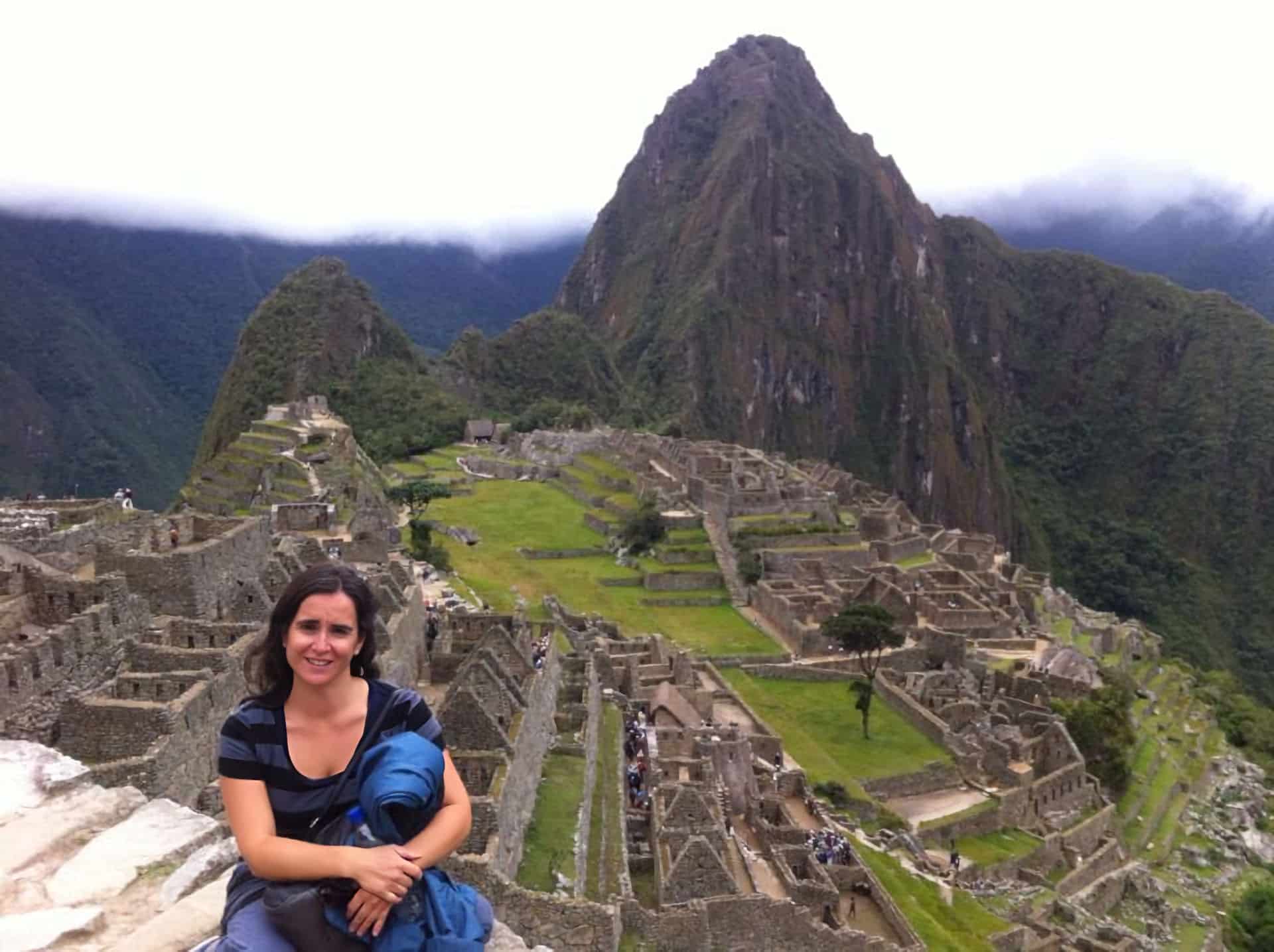
FAQ: Solo Female Travel in Peru 2026
Is Peru safe for solo female travelers?
Yes, with standard precautions. Most women who travel Peru solo describe it as safer than they expected. The main risks are opportunistic — pickpocketing and phone theft — rather than violent crime. Using reputable transport, well-reviewed accommodation, and app-based taxis significantly reduces those risks. Check your government’s travel advisories for up-to-date regional information before your trip.
What areas of Lima are safest for solo female travelers?
Miraflores and Barranco are the two districts consistently recommended for solo women. Both have active street life, well-lit main streets, and easy access to rideshare apps at night. The historic center is fine during the day but best avoided after dark. Always arrange airport transfers in advance rather than taking a street cab on arrival.
Can I take buses alone in Peru as a woman?
Yes. Long-distance operators such as Cruz del Sur are widely trusted, with assigned seating and on-board security. Daytime intercity buses are generally problem-free. For night buses, keep your bag under the seat in front of you rather than in the overhead compartment, and choose a reputable operator with assigned seating.
Is Machu Picchu safe for solo female travelers?
Machu Picchu is one of the most-visited sites in South America and well-managed for tourists. The main practical challenges are logistical: entry tickets and trains sell out weeks in advance, so prebook both. The site itself is crowded but safe. Hiring a guide at the gate is recommended if you haven’t arranged one — they help navigate the crowds and maximize your time there.
Do I need to speak Spanish to travel Peru solo as a woman?
Spanish is a big advantage but not a requirement. English is spoken in most tourist areas, and a translation app handles most gaps. That said, knowing five or six key phrases — particularly for setting boundaries — pays dividends beyond any app. No estoy interesada and Voy a encontrar a mis amigos are two worth memorising before you land.
How do I handle altitude sickness in Cusco or Puno?
Plan for at least one to two rest days on arrival in Cusco (3,400 m) or Puno (3,800 m) before any strenuous activity. Drink plenty of water, avoid alcohol for the first 48 hours, and drink coca tea — freely available and genuinely effective. Carry ibuprofen or aspirin. Pharmacies in both cities stock altitude medication if symptoms are severe; consult a doctor before your trip if you have any cardiovascular concerns.
What should women wear in Peru?
In Lima and major tourist centers, casual clothing is normal. In rural Andean towns and smaller highland communities, many solo women feel more comfortable in modest, looser clothing such as long trousers, sweaters, and layered tops. The goal is comfort, practicality, and drawing less attention rather than dressing formally.
Can I use ride apps in Lima and Cusco?
Yes. App-based transport is one of the easiest ways to reduce stress, especially at night or on arrival. In Lima, many solo women rely on ride apps rather than hailing cabs on the street. In Cusco, agency-arranged transfers and reputable taxis are also common. Whenever possible, confirm the vehicle and driver details before getting in.
Should I book everything in advance?
Not everything — but the major logistical bottlenecks should be booked ahead. Machu Picchu entry tickets, Inca Trail permits, trains to Aguas Calientes, and Nazca Lines flights are the biggest ones. Leaving room for spontaneous changes elsewhere gives solo travel its freedom without creating avoidable stress.
Let us know your experience in Peru as a female solo traveler. We would be happy to send you the survey in English or Spanish to add your perspective!
About Fertur Peru Travel

Fertur Peru Travel has been organizing itineraries for independent and solo travelers in Peru since 1994. Founded and led by Siduith Ferrer, Fertur’s team places particular emphasis on safety logistics for female travelers — including vetted transfers, pre-screened accommodations, and on-trip support across all major regions. Solo women make up a significant share of our clients, and their feedback shapes every itinerary we design.

Related Posts
Comments (0)