In 1987, archaeologist Walter Alva and his team helped save one of ancient Peru’s greatest…
Chan Chan, Peru: How to Visit the World’s Largest Adobe City
About 600 years ago, Chan Chan was the capital of the Chimú kingdom, the largest adobe city ever built, located just outside Trujillo on Peru’s northern coast.
A visit here offers far more than a walk through ancient ruins. Chan Chan reveals the scale, organization, and artistry of a powerful coastal civilization that flourished centuries before the Incas absorbed it into their empire. Its high adobe walls, marine-themed reliefs, ceremonial spaces, and carefully planned compounds still reflect the sophistication of Chimú political and religious life.
For travelers spending time in northern Peru, Chan Chan is one of the easiest and most rewarding archaeological excursions from Trujillo.
Chan Chan at a Glance
- Location: Moche Valley, 5 km (3.1 miles) from central Trujillo, La Libertad, northern Peru
- Period: Built from ~900 CE; Chimú capital until Inca conquest ~1470
- UNESCO status: World Heritage Site (1986); on the List of World Heritage in Danger
- Best season: May–October (drier months; go in the morning for better light and cooler temperatures)
- Visit time: 2–3 hours for Tschudi Compound; half-day combined with Huanchaco
- Getting there: 15–20 min by colectivo or taxi from Trujillo; ~1-hour flight from Lima to Trujillo
- Entry: S/. 10 general admission; open 9:00 AM–4:00 PM; site museum closed Mondays
- Not to miss: Marine-themed friezes in Tschudi Compound; the sacred pool; nine royal citadels
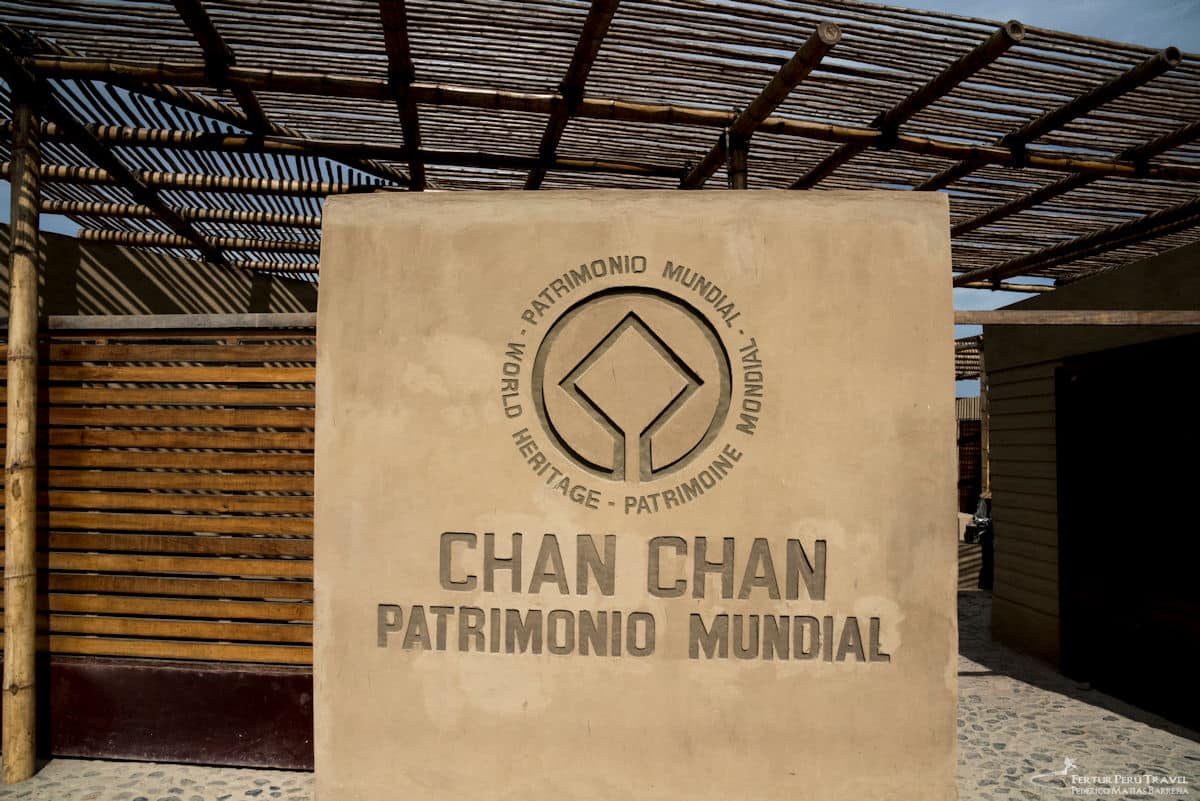
Overview of How to Visit Chan Chan
Open
1. Why Chan Chan Matters
Chan Chan rose around 900 CE in the Moche Valley and remained the center of Chimú power until the Inca conquest around 1470. At its height, the city is believed to have supported tens of thousands of inhabitants. Its coastal realm extended from near Tumbes in the north to Carabayllo, on the outskirts of Lima, in the south.
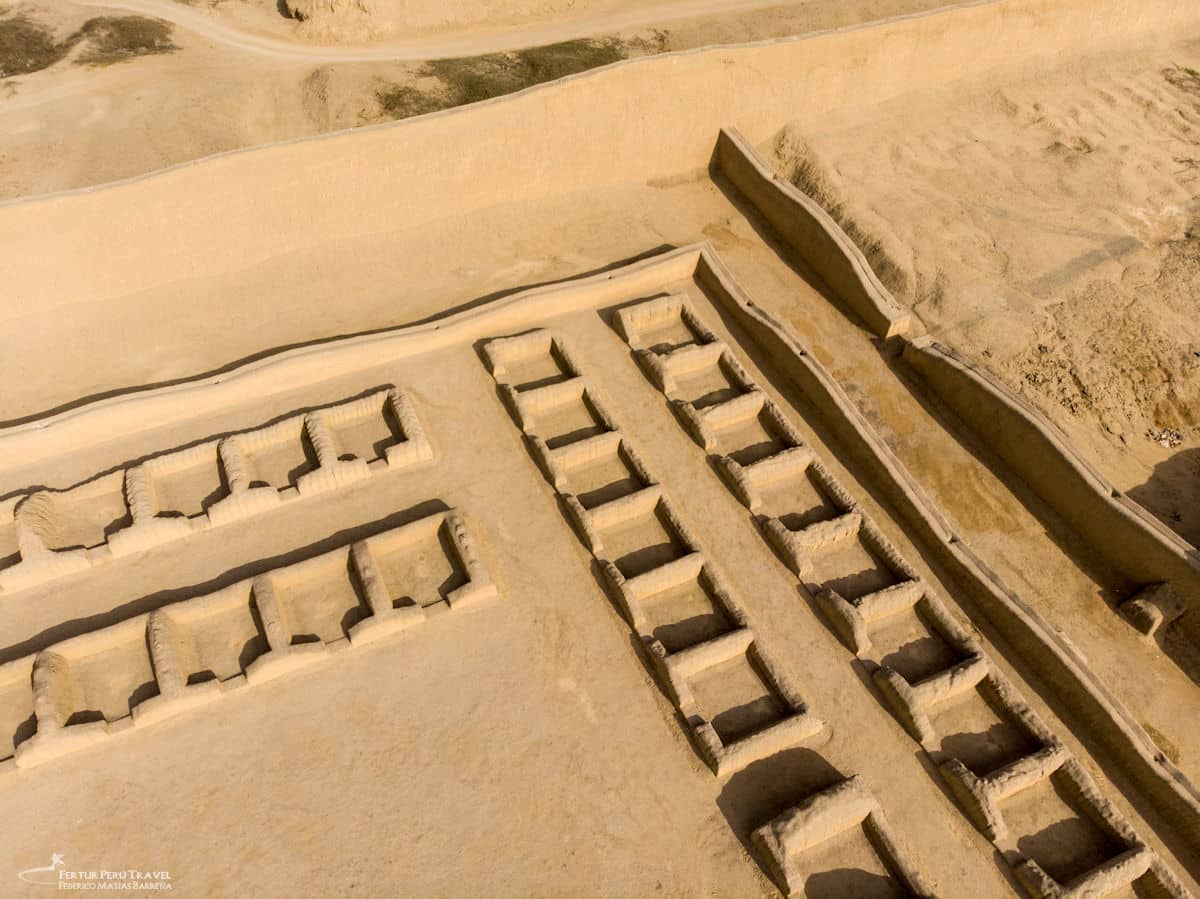
What makes the site so striking today is not only its scale but its preservation of urban planning. Chan Chan was built as a monumental desert capital, with large walled compounds, storerooms, ceremonial areas, reservoirs, and residential sectors. The monumental core covers roughly 3.7 square miles (6 square kilometers), while the broader archaeological zone extends across about 7.7 square miles (20 square kilometers).
The site is also a reminder that Peru’s great pre-Hispanic centers were not limited to the Andes. Long before most travelers think of Cusco or Machu Picchu, powerful coastal societies had already built highly organized states with rich artistic traditions and advanced hydraulic systems.
2. What You’ll See Inside Tschudi (Nik An)
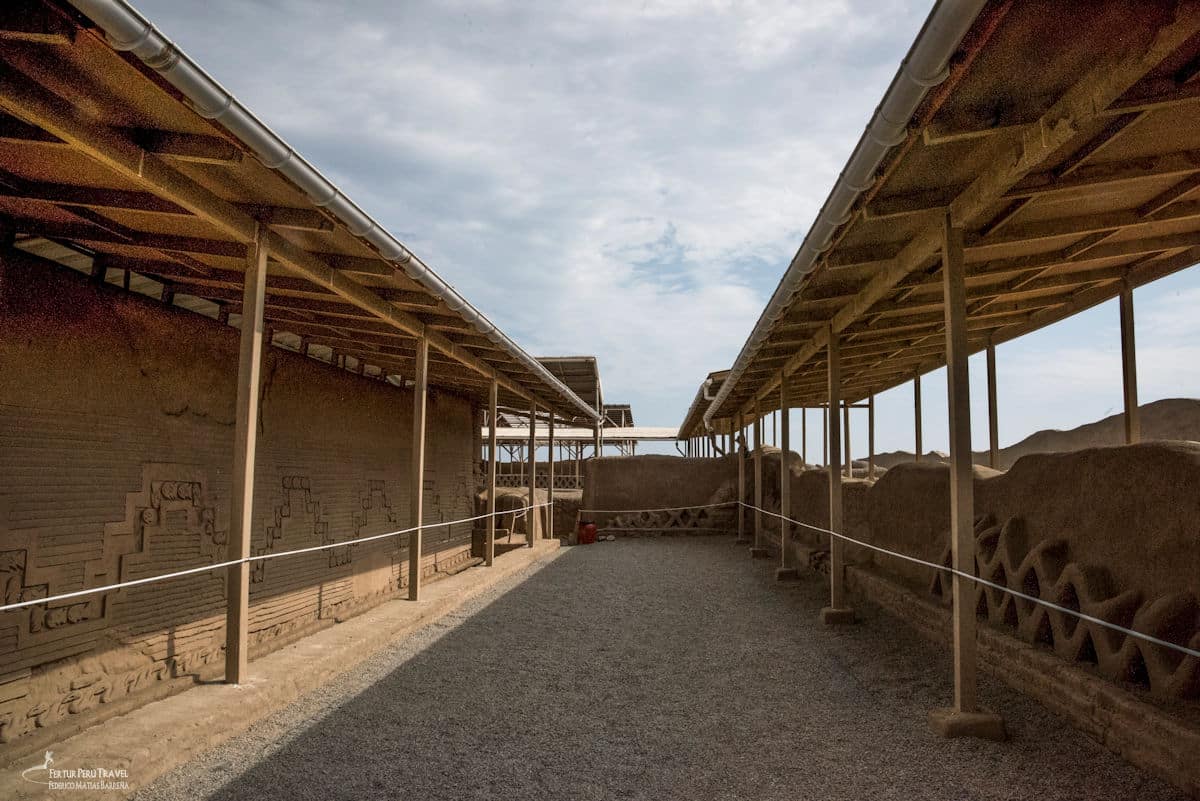
The Tschudi, or Nik An, palace is the only major sector of Chan Chan currently open to visitors, and it gives you a vivid sense of how this adobe city once functioned.
Processional Entrance and Plazas
You enter through a narrow corridor that opens into a series of courtyards and plazas, where Chimú elites received visitors and held ceremonies.
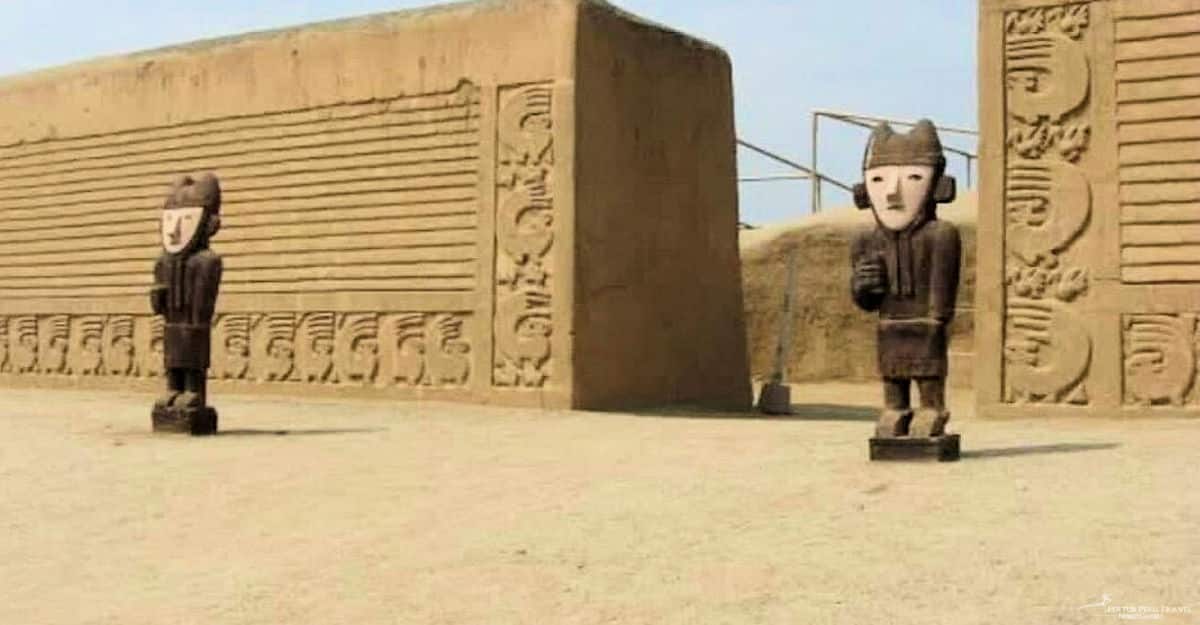
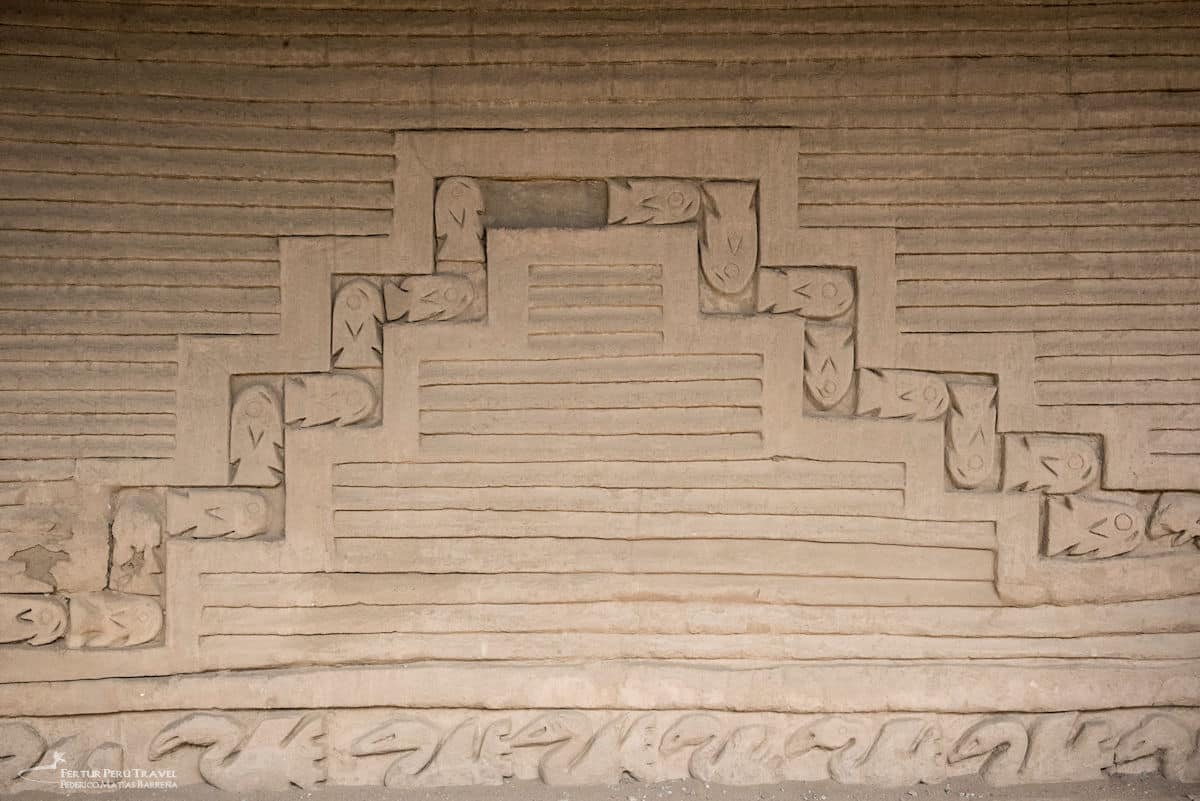
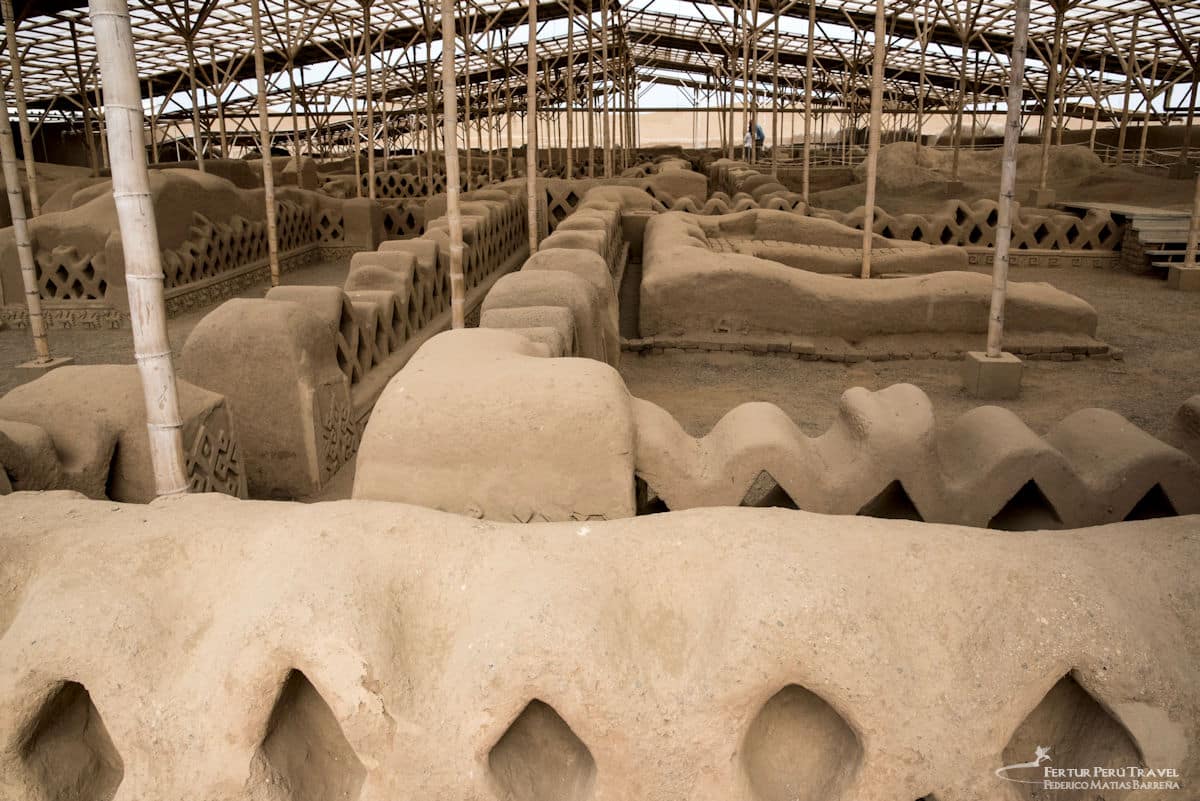
As you walk through, look for repeating reliefs of birds and fish, which symbolized the connection between sea, land, and sky.
Audience Rooms and Storerooms
Smaller chambers off the main route are thought to have served as audience rooms, where officials oversaw tribute and trade. Some larger enclosed spaces likely functioned as storerooms for textiles, ceramics, and food brought from across the Chimú kingdom.
Sacred Pool and Water Features
One of the most striking features is the large rectangular pool, or reservoir, partly shaded by reeds and trees and historically fed by channels from nearby rivers. This pool underscores how carefully the Chimú managed water in such an arid landscape and why Chan Chan’s hydraulic system remains so important to archaeologists today.
Burial and Ritual Areas
Toward the back of the complex, archaeologists have identified platforms and enclosed spaces interpreted as mausoleums for Chimú rulers and elites. These areas, along with carved friezes and offerings found in excavations, point to the palace’s role as both a seat of power and a sacred space.
Much of what you see has been carefully stabilized and, in places, restored, but many original reliefs survive under protective roofs. It is worth moving slowly and letting a guide point out details you might otherwise miss.
3. Architecture in Adobe
Chan Chan’s architecture is one of the main reasons the site is so important. The city was built largely with adobe bricks made from clay, water, and organic material such as straw. In this dry coastal environment, adobe allowed for monumental construction on an extraordinary scale.
The walls, some rising to roughly 30 to 40 feet (9 to 12 meters), create a powerful sense of enclosure. Decorative friezes and carefully organized spaces gave the city both visual rhythm and ceremonial meaning.
This is not a ruin of stone towers or mountainous terraces. Chan Chan’s beauty is more subtle — it lies in line, repetition, texture, and the way the site emerges from the desert itself.
4. The Chimú: Builders of Chan Chan
The Chimú ruled Peru’s northern coast from around 900 CE, building Chan Chan as the administrative capital of a stratified state that eventually controlled multiple coastal valleys from Tumbes to the outskirts of Lima. The Inca conquered them around 1470, relocating their most skilled artisans to Cusco.
Their capital served as the center of a highly stratified society ruled by an elite class, supported by nobles, priests, artisans, and agricultural communities.
Like other Andean societies, the Chimú relied on irrigation and careful resource management to transform arid land into productive territory. Their expansion brought multiple valleys under central control, linking coastal regions through administration, trade, and labor.
Chan Chan was also a major center of specialized production. Thousands of artisans are believed to have worked in the city, especially in textiles, metallurgy, and luxury goods. Chimú craftspeople were so highly valued that after the Inca conquest, some were relocated elsewhere in the empire.
Scholars often associate Chimú political organization with a form of split inheritance, in which a deceased ruler’s successor inherited office but not the former ruler’s accumulated wealth. That system may help explain why successive rulers built new compounds rather than simply reusing older ones — and why Chan Chan grew to encompass nine distinct royal citadels.
5. Chimú Hierarchy and Daily Life
Chan Chan was the nerve center of a sharply stratified Chimú state, where power, labor, and belief all flowed through a clear hierarchy.
At the top stood the Chimú ruler, often referred to in the chronicles as the supreme lord, who controlled political authority and religious power. Beneath him were regional nobles and curacas, who managed subject valleys, organized irrigation and labor, and oversaw tribute arriving at the capital.
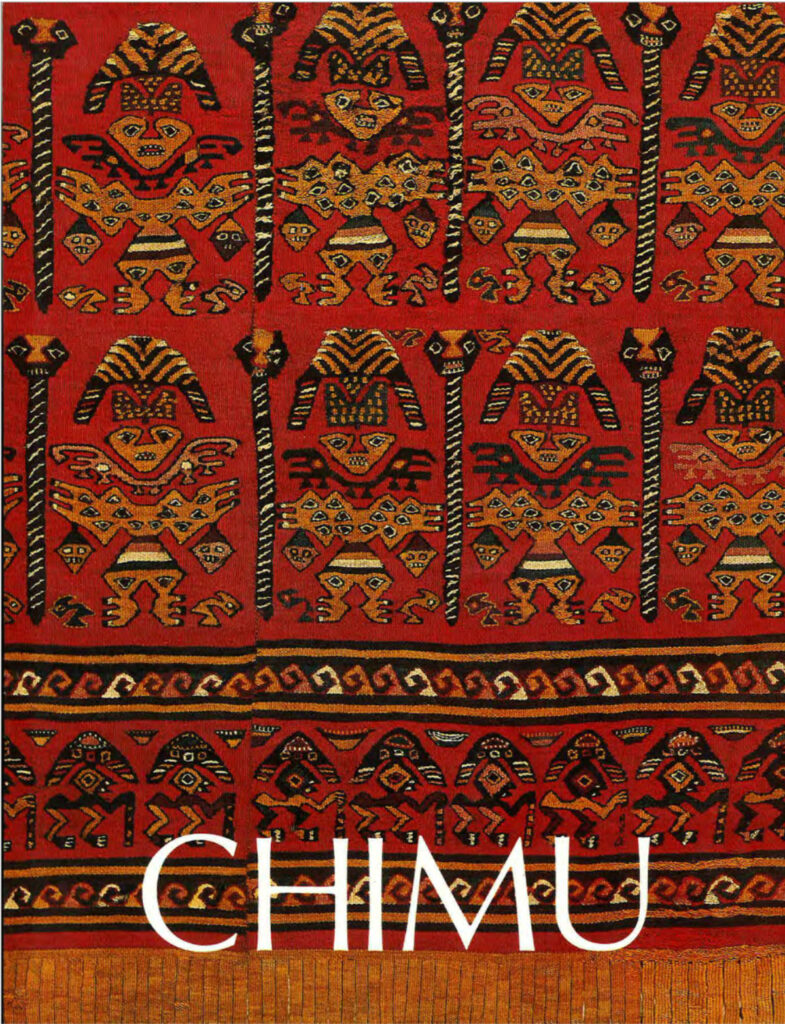
A large middle tier included priests, administrators, and skilled artisans. Thousands of craftspeople in Chan Chan produced fine textiles, metalwork in gold, silver, and copper, and standardized ceramics destined for ritual use and elite exchange.
The broad base of society consisted of farming and fishing communities, who worked irrigated fields, tended herds, and exploited the rich Pacific waters, supplying the surplus that sustained the city. At the very bottom were servants and retainers attached to elite households, some of whom accompanied rulers and nobles in death as offerings.
6. The Lost Chimú Language
The Chimú elites and coastal communities around Chan Chan most likely spoke Quingnam, an extinct language identified in colonial sources as the “lengua pescadora,” or fishermen’s language, of Peru’s northern coast.
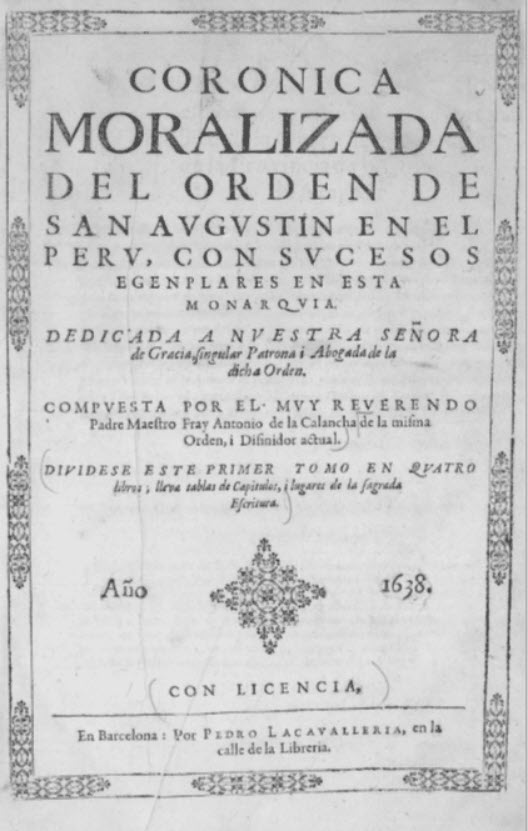
Writing in his Crónica moralizada del Orden de San Agustín en el Perú (1638), the Augustinian chronicler Fray Antonio de la Calancha described Quingnam and this fishermen’s speech as two of the region’s most common languages.
He said Quingnam was more difficult and more “guttural” than languages such as Mochica, with an obscure, slippery pronunciation. Calancha also preserved a few isolated words, including a term for “god” and some place-name etymologies.
Based on that evidence, modern linguists have argued that Quingnam and the so-called lengua pescadora were probably the same coastal language, spoken from around Trujillo south toward the Lima valleys.
7. The Fall of Chan Chan
The Inca under Topa Inca Yupanqui conquered Chan Chan in the late 15th century — reportedly by cutting off the city’s water supply. The last Chimú ruler, Minchancaman, was taken to Cusco, and the city was already profoundly altered before the Spanish arrived in the 16th century.
According to long-standing historical accounts, the Inca weakened the Chimú through a years-long campaign that included disrupting the irrigation channels on which the desert city depended.
After the conquest, political authority shifted, populations were moved, and Chimú elites lost control of the capital. Later looting and abandonment under Spanish rule further stripped the city of its wealth and accelerated its physical decline.
8. Preservation and the Threat of Climate
Chan Chan was inscribed as a UNESCO World Heritage Site in 1986 and placed on the List of World Heritage in Danger the same year — one of a small number of sites to carry the danger designation from the moment of inscription.
Adobe architecture is highly vulnerable to water, salt, vegetation, and erosion. On Peru’s north coast, normal conditions are dry, but major El Niño events can bring intense rainfall and flooding, especially during the austral summer months. Those events pose one of the greatest threats to the site’s long-term preservation.
Conservation work at Chan Chan has included drainage systems, protective roof structures, stabilization of fragile walls, and emergency interventions after severe weather. Even so, the site remains on the danger list, which is one reason a visit here feels both rewarding and urgent.
9. Best Time to Visit Chan Chan
Chan Chan can be visited year-round, but conditions are usually best during the drier months from May through October, when skies are clearer and walking the site is more comfortable.
Northern Peru does not follow the same rainfall patterns travelers expect in the Andes. In a typical year, rain is limited. The greater concern comes during strong El Niño years, when heavy downpours and flooding can affect the region, especially from roughly January through March.
For the most comfortable visit, plan to go in the morning. Light is better, temperatures are milder, and the site is quieter.
10. Getting to Trujillo from Lima
Most visitors start their Chan Chan trip in Lima, then continue north to Trujillo by plane or long-distance bus.
By Plane
Daily flights connect Lima’s Jorge Chávez International Airport with Trujillo’s FAP Carlos Martínez de Pinillos Airport and take about 1 hour. This is the fastest and most comfortable option if you have limited time, and it works well for morning or early afternoon arrivals that allow for a same-day transfer to Trujillo or Huanchaco. From Trujillo airport, a short taxi or private transfer takes you to hotels in either town.
By Bus
Several long-distance bus companies run the coastal route from Lima to Trujillo, usually overnight, with reclining seats and basic onboard services. The journey takes around 8 to 10 hours along the Pan-American Highway, passing through desert and coastal valleys. Choose reputable companies and book cama or semi-cama seats on direct services. You can easily combine both options — fly one way, take the bus the other — depending on your schedule.
11. Getting to Chan Chan from Trujillo
Chan Chan lies about 3.1 miles (5 kilometers) from the center of Trujillo, making it an easy half-day excursion.
The most economical option is to take a local bus or colectivo heading toward Huanchaco. The ride is short, usually around 15 to 20 minutes. Depending on where you get off, you may need to walk roughly ⅝ mile (1 kilometer) to reach the entrance.
A taxi from central Trujillo is faster and more convenient, especially if you are short on time or planning to combine Chan Chan with Huanchaco and the site museum.
12. Hours, Tickets, and Practical Tips
Chan Chan is open from 9:00 AM to 4:00 PM. The site museum is closed on Mondays.
Adult admission is S/. 10, with reduced rates for some students and school-age visitors.
For most travelers, 2 to 3 hours is enough to explore the Tschudi Compound at a relaxed pace. Add more time if you also want to visit the museum or combine the outing with nearby archaeological sites and Huanchaco.
Bring water, sun protection, and comfortable walking shoes. Shade is limited, and even mild coastal temperatures feel stronger once you are out on the open desert plain.
13. Pairing Chan Chan with Huanchaco
One of the best ways to plan this outing is to combine Chan Chan with nearby Huanchaco, the historic fishing town on the coast.
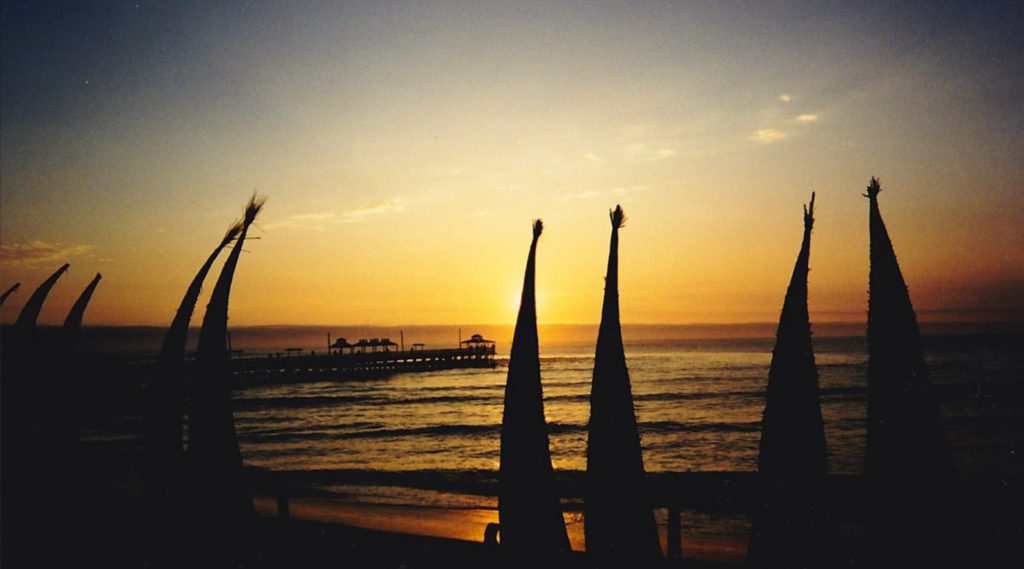
Huanchaco is famous for its caballitos de totora, traditional reed fishing craft whose use stretches back thousands of years. One of the great beaches of Peru’s northern coast, Huanchaco is also a pleasant place for lunch after the archaeological site, with sea views and a more relaxed rhythm than central Trujillo.
Together, Chan Chan and Huanchaco make an excellent introduction to Peru’s north coast: one deeply historical, the other still tied to maritime traditions that long predate the modern city.
14. Is Chan Chan Worth Visiting?
Chan Chan offers something very different from Peru’s better-known highland sites — a great city of earth, geometry, and ceremonial order rising from the desert rather than mountain scenery and carved stone. It is one of the country’s most important archaeological sites and one of the most accessible: you do not need a full day, and you do not need to be an archaeology specialist to appreciate it. What helps most is context, which is why many travelers find the visit richer with a guide.
For anyone interested in ancient Peru beyond the Inca world, Chan Chan is essential.
15. FAQs About Visiting Chan Chan
How many citadels are there at Chan Chan?
Chan Chan contains nine monumental citadels that formed the political and ceremonial core of the city. Each was built by a successive Chimú ruler — a consequence of split inheritance, in which a new king inherited office but not his predecessor’s accumulated wealth, requiring him to build a new compound of his own rather than take over the old one.
How much time should you spend at Chan Chan?
Plan on 2 to 3 hours for the Tschudi Compound at a relaxed pace. If you also want to visit the site museum — closed on Mondays — add at least an hour. Combining Chan Chan with Huanchaco makes for a comfortable half-day; with the museum and lunch in Huanchaco, budget most of the day.
Is Chan Chan easy to visit from Trujillo?
Chan Chan sits only 3.1 miles (5 kilometers) from central Trujillo and works well as a half-day trip by taxi, private transport, or local colectivo toward Huanchaco. Most travelers visit independently without difficulty; a guided tour adds historical context that the site’s own signage does not always supply.
What is the best season to visit Chan Chan?
The drier and more comfortable months run from May to October. Unlike the Andes, northern Peru’s coast is dry in most years. The risk comes during strong El Niño events, when heavy rainfall can affect the region from roughly January through March — the same weather pattern that poses the greatest conservation threat to the site’s adobe architecture.
Why is Chan Chan important?
Chan Chan was the capital of the Chimú kingdom and the largest pre-Columbian city ever built in adobe. At its height it housed tens of thousands of people and administered a coastal empire stretching from near Tumbes to the outskirts of Lima. Its UNESCO World Heritage status — and its continued placement on the List of World Heritage in Danger — reflect both its historical significance and the urgency of preserving what remains.
You Might Also Be Interested In

Related Posts

Comments (0)