The best time to visit Cusco depends on what matters most to you — clear…
Cusco Rainy Season: Travel Advisories and Route Updates
If you’re traveling in Cusco during the rainy season, flexibility is your best friend — and safety comes first.
Cusco’s Rainy Season Update: Possible Temporary Closures for Choquequirao, the “Hydroelectric” Route to Machu Picchu, and Humantay Lagoon
Authorities in Cusco are reportedly evaluating a possible temporary closure of the Choquequirao Archaeological Park due to intense rains, with the decision expected after a sector meeting scheduled for Friday, January 16.
“In January and February, rainfall will be normal to above normal; in March, above normal,” said Miguel Oscco Abarca, director of Cusco’s regional office for disaster risk management and security.
Ongoing rains can trigger landslides with little warning, sending rock and mud onto mountain roads and trails used by visitors. In the Cusco region, those slides can block access routes, strand travelers between towns, and create dangerous conditions for vehicles and hikers — which is why authorities sometimes restrict entry or temporarily close routes until conditions stabilize.
“It is necessary to take precautions,” Oscco Abarca told state news service Andina. “What we want is to safeguard the lives of people, tourists, operators, and workers.”
Officials are also evaluating restrictions (and a possible temporary closure) for the Santa María–Santa Teresa–Hidroeléctrica “Amazon route” used by some travelers to reach Machu Picchu, as well as access to Humantay Lagoon.
What Cusco’s rainy season 2026 could mean for your trip — and how to plan smart
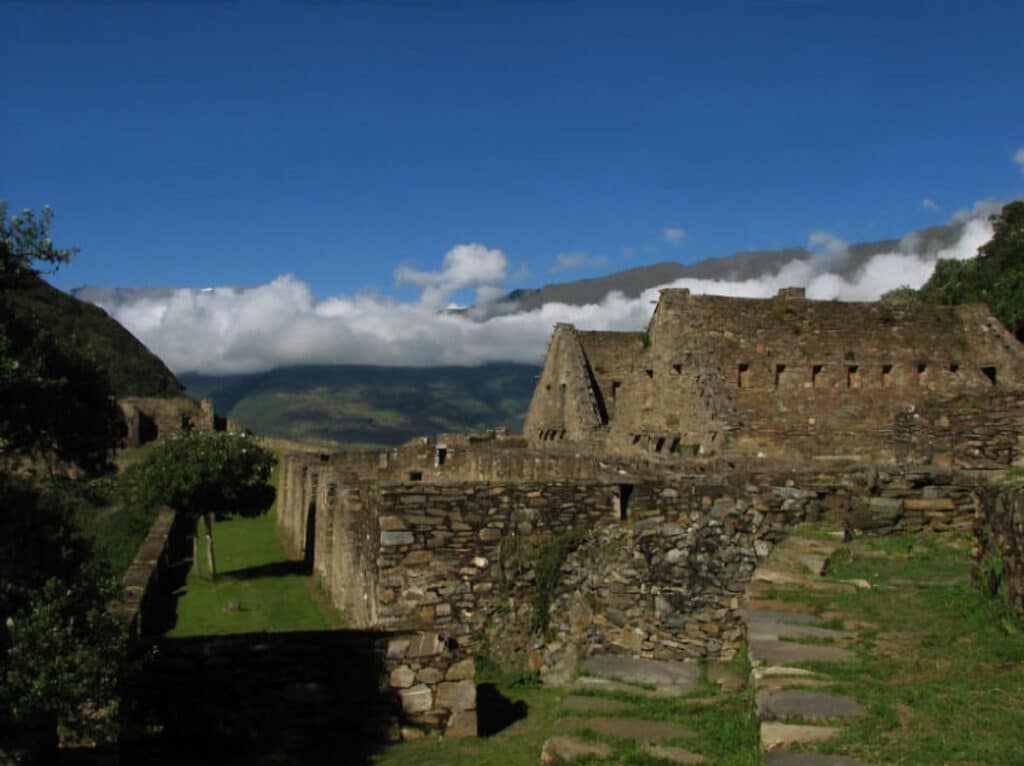
Choquequirao is one of the Andes’ most epic treks, but it’s also exposed to weather risks. Andina reports that Cusco authorities are evaluating a closure to protect visitors due to persistent heavy rains, and they met to analyze restricting entry.
Officials also referenced Senamhi forecasts for the first quarter of the year, noting rainfall could intensify further (especially into March), and emphasized that precautions are about safeguarding tourists, operators, and workers.
Why this matters: access routes can become hazardous quickly. The report specifically notes risk points on the approach via Cachora (Apurímac), and that a closure recommendation was on the table pending the Friday decision.
And this isn’t theoretical. Andina recalls that in March 2025, tourist entry was suspended after large rockfalls damaged infrastructure near the Apurímac River area, with additional major mudslide impacts that isolated the monument zone.
If Choquequirao is in your plans: build in buffer days and consider alternative trekking days in the Sacred Valley (or cultural days in Cusco) so your itinerary still works if conditions change.
2) Machu Picchu: possible restrictions on the Santa Teresa–Hidroeléctrica access route
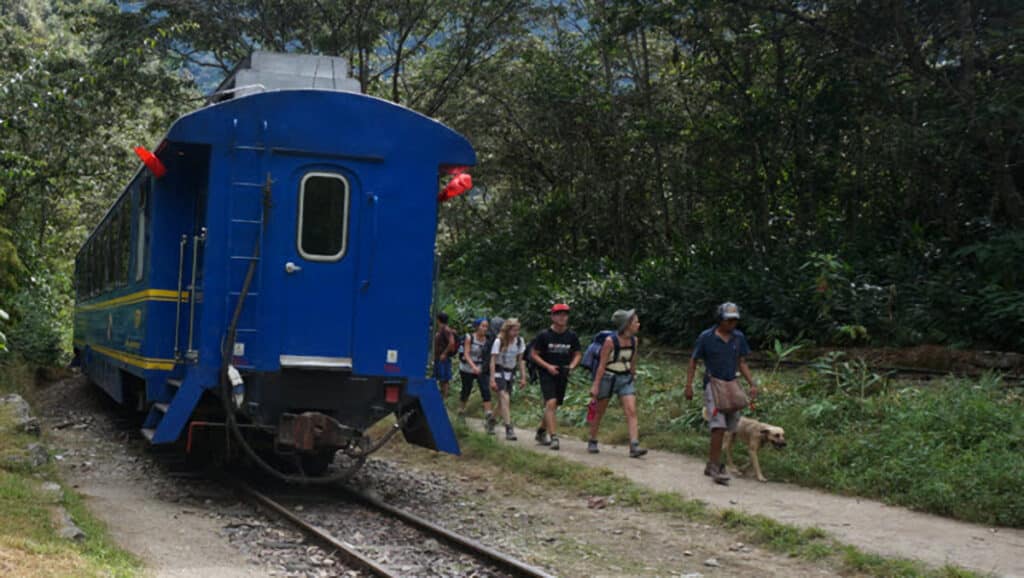
A technical meeting with relevant agencies, municipalities, and tourism operators was also confirmed for Friday, where they would review technical reports and make decisions based on expected intense rains during the first three months of the year.
The same report notes that this is the season when rock and earth falls are common on that roadway—and that up to 1,000 tourists may use it—sometimes affecting access to Cocalmayo hot springs as well.
What to do if your itinerary includes the “Hydroelectric” route:
Avoid building your trip around a single, weather-sensitive access plan.
Have a “Plan B” that uses more stable logistics (and time buffers) if authorities restrict passage.
3) Humantay Lagoon: landslides may trigger a temporary closure decision
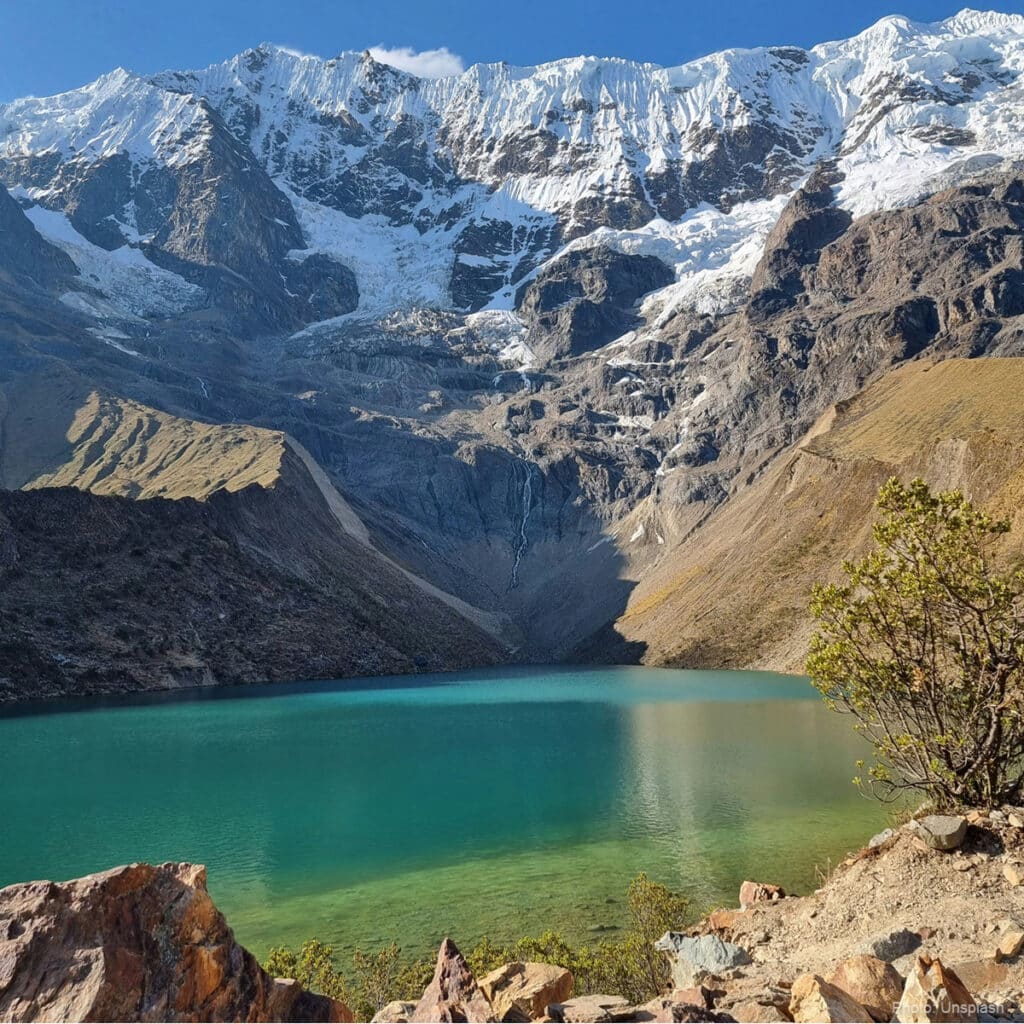
Humantay is wildly popular, but the access road/trail can be affected by persistent rainfall. Andina reports that landslides have been frequent for the last three years, and that a decision on a temporary closure of the route (Soraypampa sector) was expected in the same Friday evaluation.
The report also notes Humantay can receive up to 500 visitors per day and is considered among the most-visited natural attractions in its category.
Machu Picchu in January: it’s doable!

This news is a good reminder of what we’ve long told travelers: January travel in Cusco often works out beautifully, but you have to plan for rain-related disruptions. In our earlier post, we note that January rain is often intermittent and Machu Picchu can be less crowded than peak season.
We also emphasize the trade-off: there’s a greater risk that roads can be blocked by landslides—or that rail service can be affected—so travelers need to be prepared for those possibilities.

Related Posts

Comments (0)