Cusco maps: Machu Picchu, Ollantaytambo, Urubamba, Calca, Pisaq, Llactapata, WiñayWayna, Tambomachay, Train to Machu Picchu, Train to Puno Sacred Valley Inca Trail, Salcantay
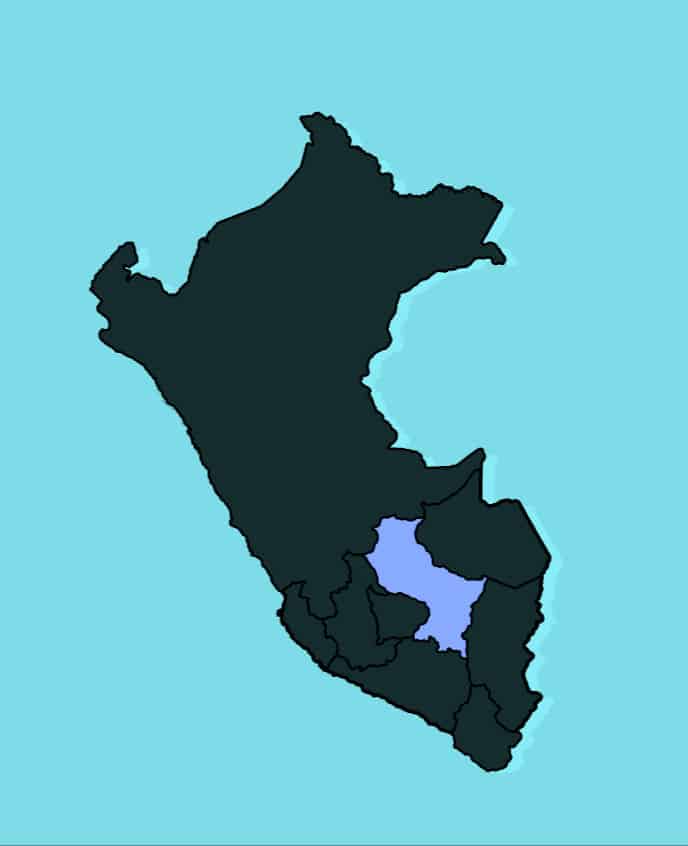
This overview map shows where Cusco sits within Peru and helps you picture travel connections between Lima, the Andes, and the southern highlands. It’s the quickest way to orient your itinerary before choosing routes to the Sacred Valley or Machu Picchu.
Cusco’s geography is part of the story. The city lies high in the Andes, surrounded by ridgelines, river valleys, and steep, terraced slopes—an “Inca landscape” shaped as much by engineering as by nature.
From this mountain basin, the Inca built roads, bridges, and administrative centers that stitched together coast, highlands, and jungle.
At its height, their empire stretched for thousands of miles along the spine of South America—an expanse often compared in scale to the Roman Empire—making Cusco not just a destination, but the former capital of one of the world’s great imperial systems.
Best for: first-time planning and itinerary structure.
Planning notes: Cusco is a high-elevation destination; give yourself time to acclimatize before long hikes, and expect weather to change quickly across valleys and passes.
Related: Cusco travel guide • Machu Picchu Complete Guide • Cusco Tour Packages
To book your Cusco tours now or consult with us, fill out the “Contact Us” form and a Fertur Peru Travel coordinator will contact you within one working day with detailed information about your fully customizable trip.
Fertur Peru Travel’s pledge is to offer you top-quality, individualized attention that starts with the planning of your trip and continues through your journey to guarantee a great vacation.
Use this Cusco city diagram to plan walking routes and get your bearings in the historic center. It’s especially useful for locating major plazas, museum zones, and common tour pickup areas so your days run smoothly.
Best for: choosing lodging and planning walking days.
Planning notes: A central base can reduce backtracking, especially on early-morning tour days.
Related: Cusco private city tours
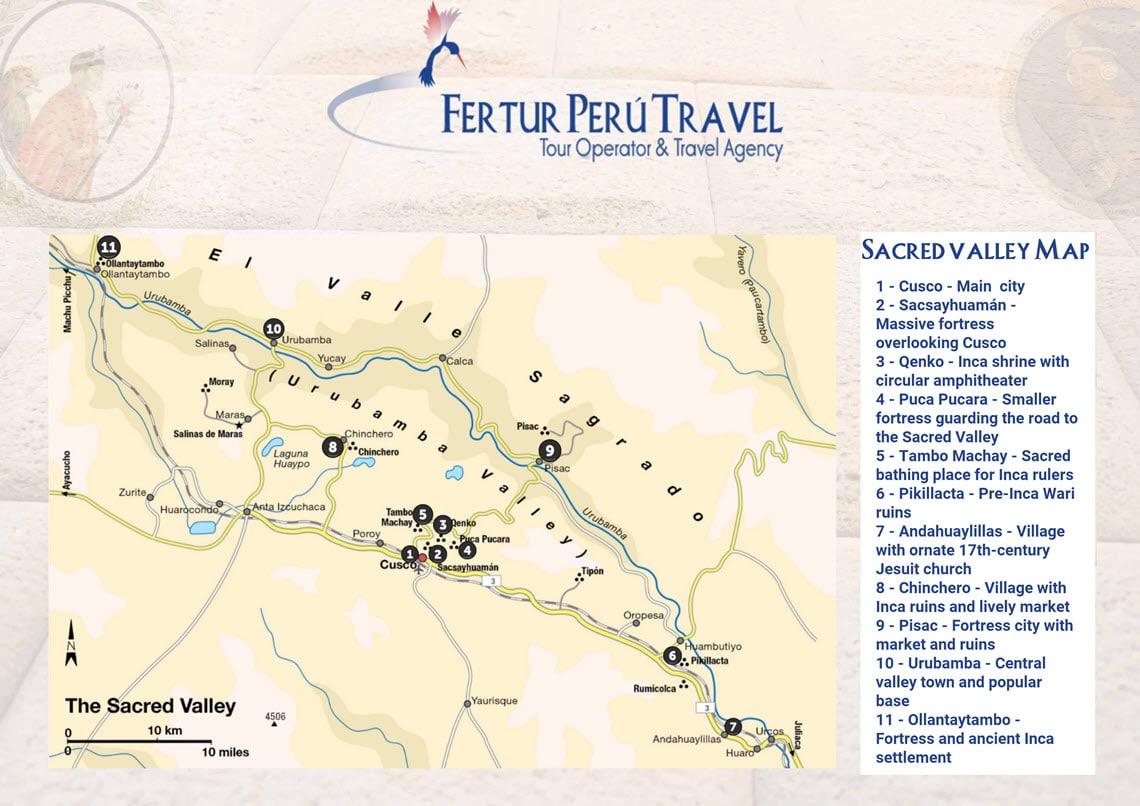
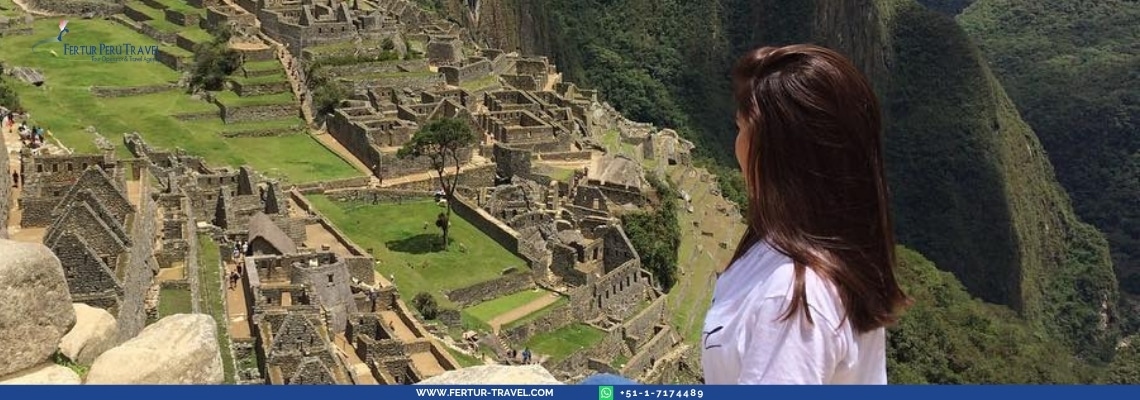
The Sacred Valley lies between Cusco and Machu Picchu, following the Urubamba River as it cuts a wide corridor through the Andes. This map helps you see why the valley is such a natural hub for travelers: it connects Cusco’s high basin with lower-elevation towns, major Inca sites, trailheads, and the rail routes that continue toward Machu Picchu.
For the Inca, this wasn’t just a scenic detour—it was prime territory. The valley’s fertile soils, reliable water, and steep mountain walls created ideal conditions for agriculture, terracing, and royal estates. Many of the region’s most important archaeological complexes sit right along this corridor, and the landscapes you’ll visit—granite peaks, river bends, and engineered terraces—still read like a living blueprint of Inca planning.
Best for: deciding where to base yourself (Cusco vs. the valley) and fitting key sites into a tight itinerary.
Planning notes: The Sacred Valley is generally lower than Cusco, so many travelers use it as a gentler first stop while acclimatizing; it also makes early departures to trains or trail logistics easier.
Related: Sacred Valley Private tours • Ollantaytambo & train connections
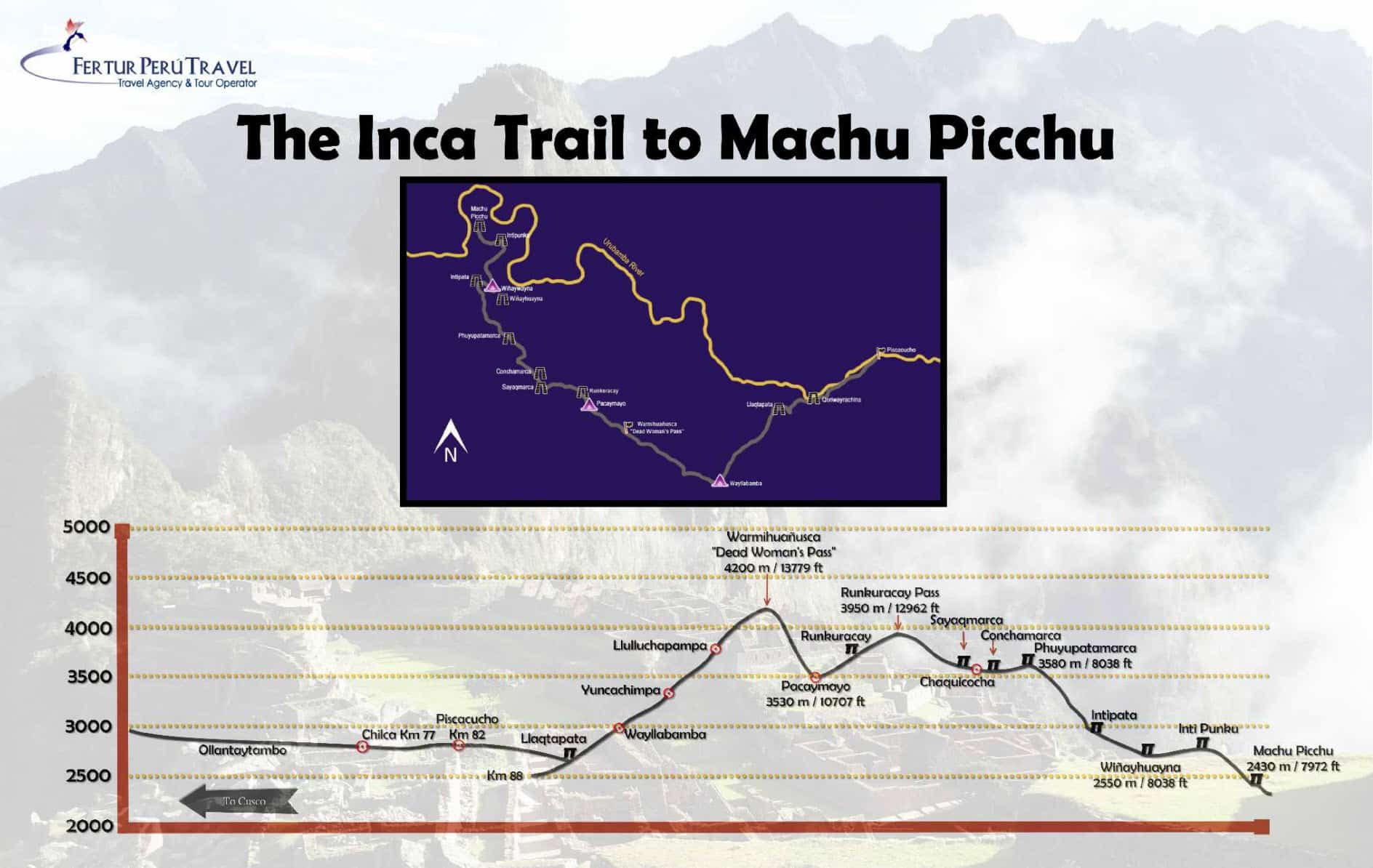
The Classic Inca Trail from KM 82 is the best-known trekking route to Machu Picchu, built around a multi-day walk through Andean valleys, archaeological sites, and high passes. This map highlights the route flow so you can visualize the trek’s progression and how it typically connects with pre-trek logistics in the Sacred Valley.
Best for: travelers who want the iconic route and a structured trek experience.
Related: Inca Trail Four-Day Trek
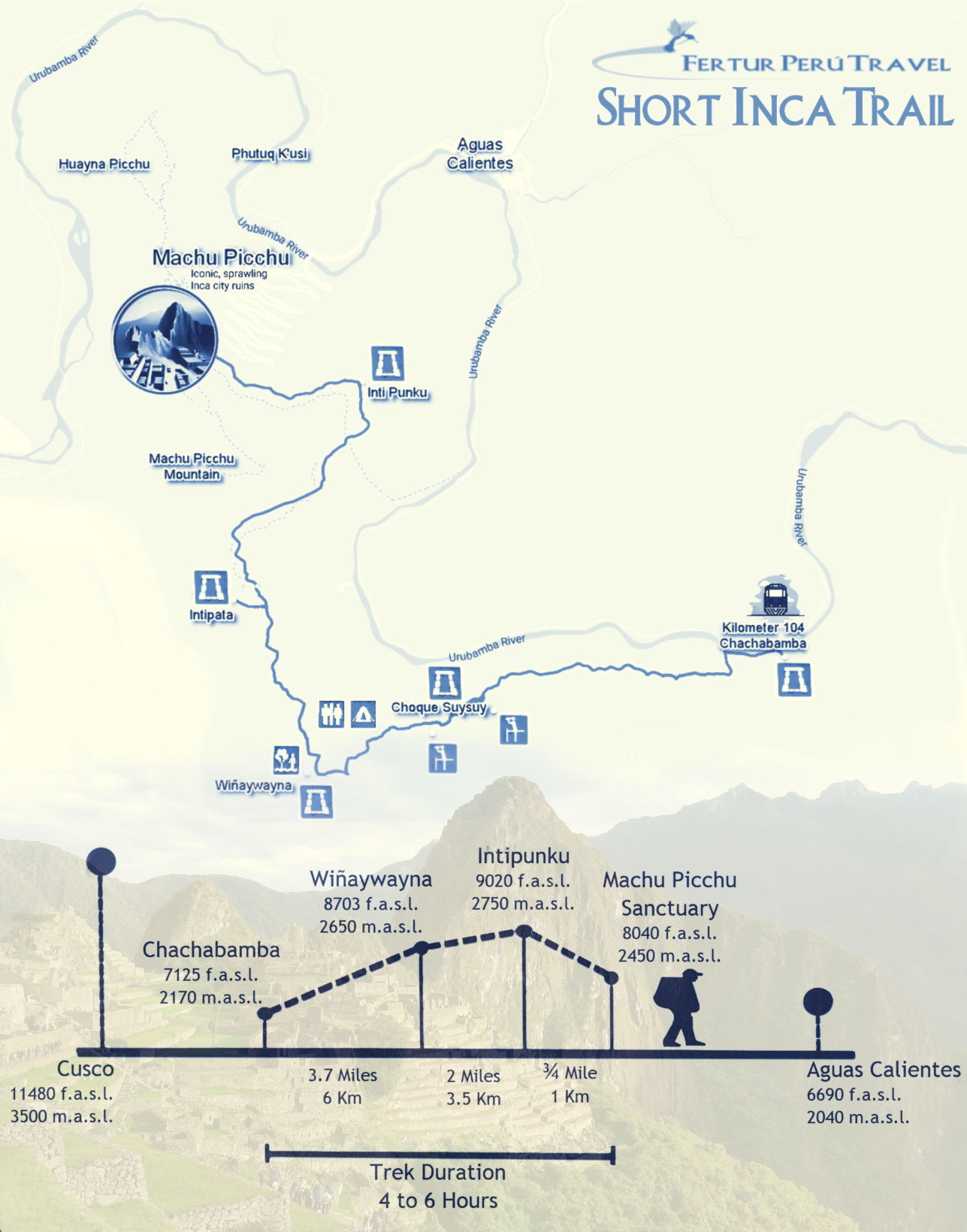
The KM 104 route—often called the Short Inca Trail—focuses on a condensed section of the trail system and is popular for travelers who want a hiking day that still delivers a classic Inca-path approach. This map clarifies the entry point, the main route line, and how the hike typically links with onward travel to Machu Picchu logistics.
Best for: travelers short on time who still want a true trail approach.
Related: Inca Trail 2 days 1 night
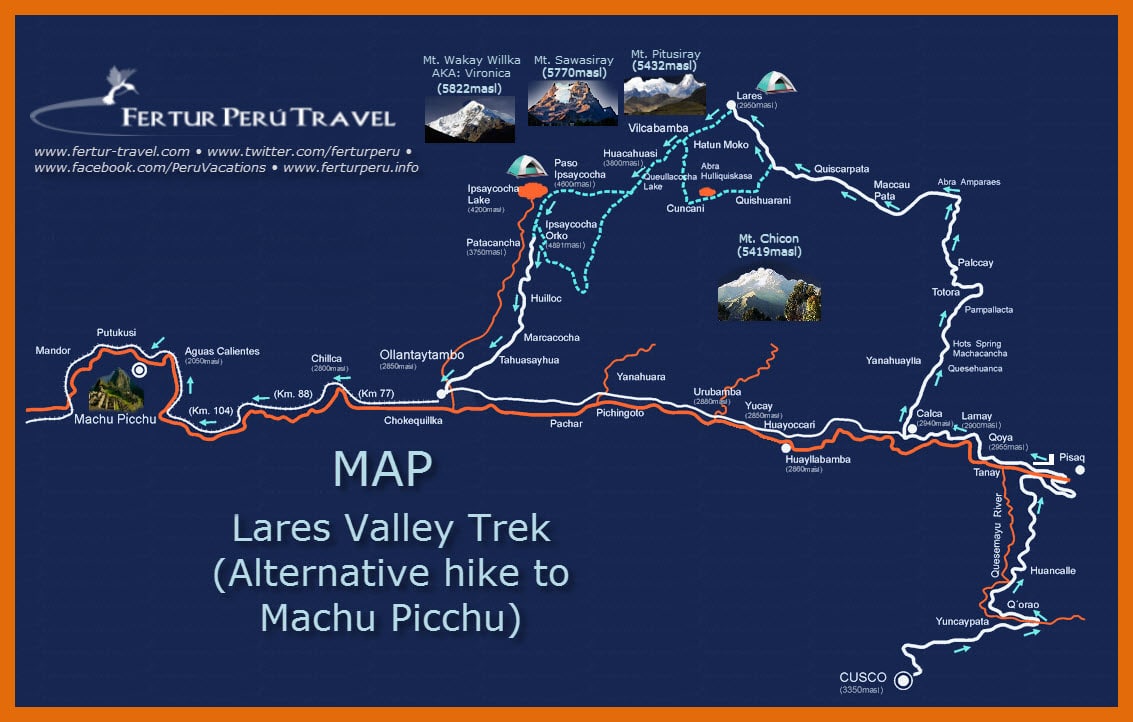
The Lares Trek is known for highland villages, mountain scenery, and a cultural emphasis that differs from the Inca Trail corridor. This map shows the trek’s route concept—helping you compare it against the Inca Trail and understand how it typically connects back into the Sacred Valley and Machu Picchu planning.
Best for: travelers who prioritize landscapes and living culture, and want an alternative trekking corridor.
Prices available upon request
Prices starting from $530 per person
Prices available upon request
Prices starting from $581 per person
Prices starting from $768 per person
Contact telephone numbers
Offices